
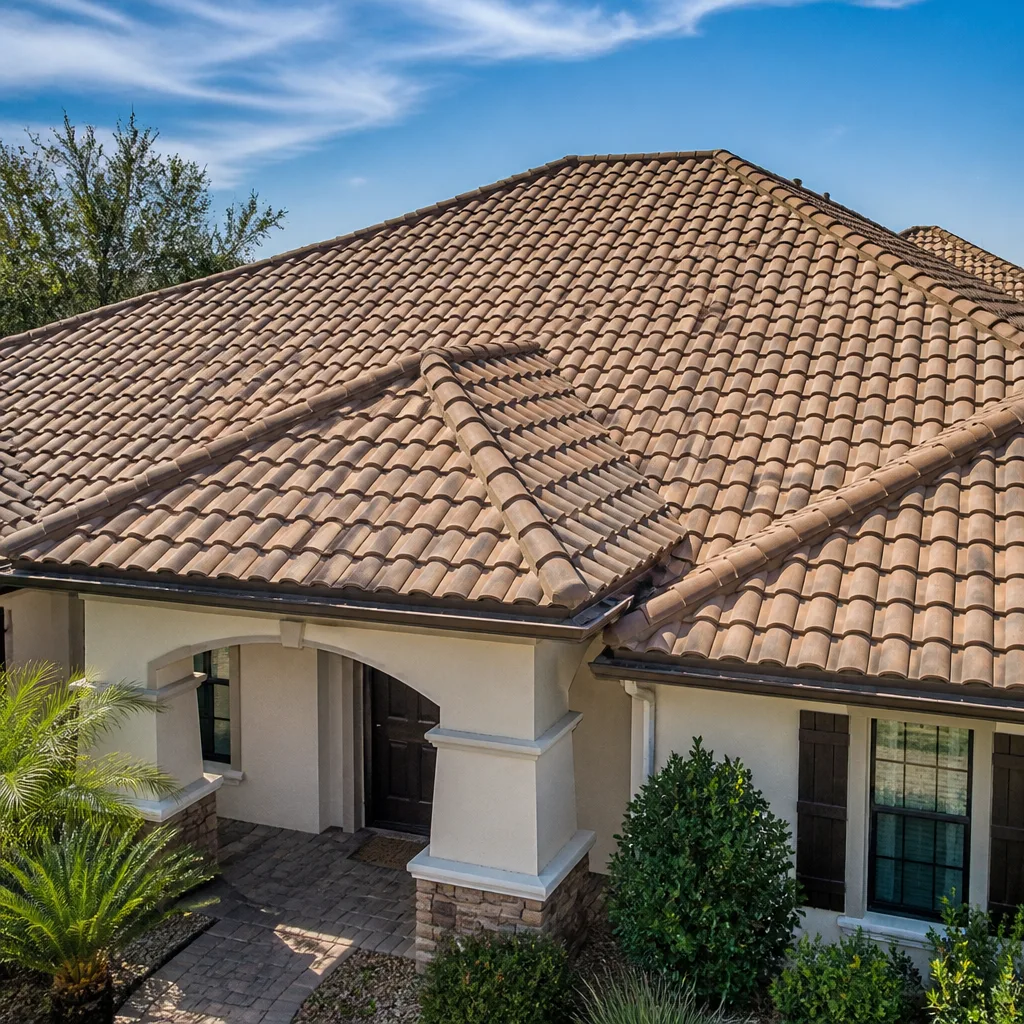
 Tile roofing
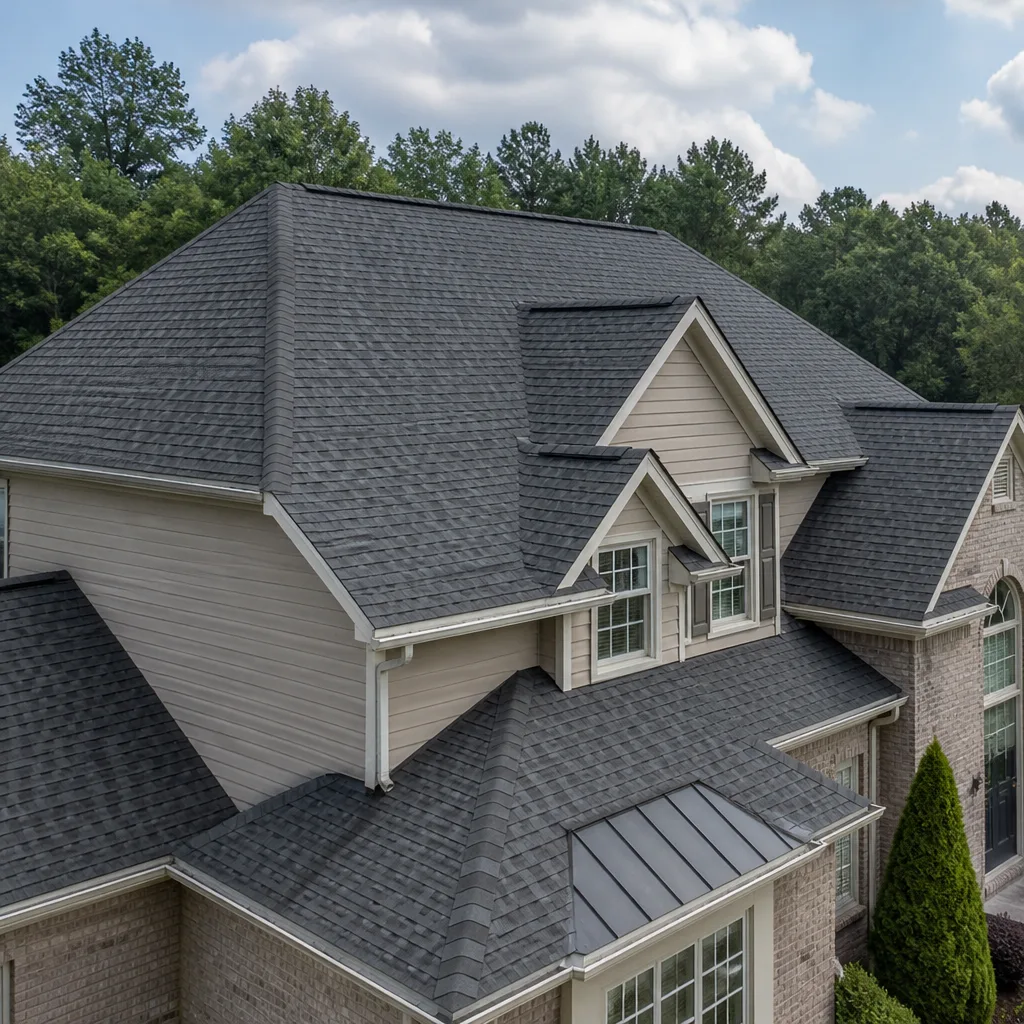 Architectural shingles
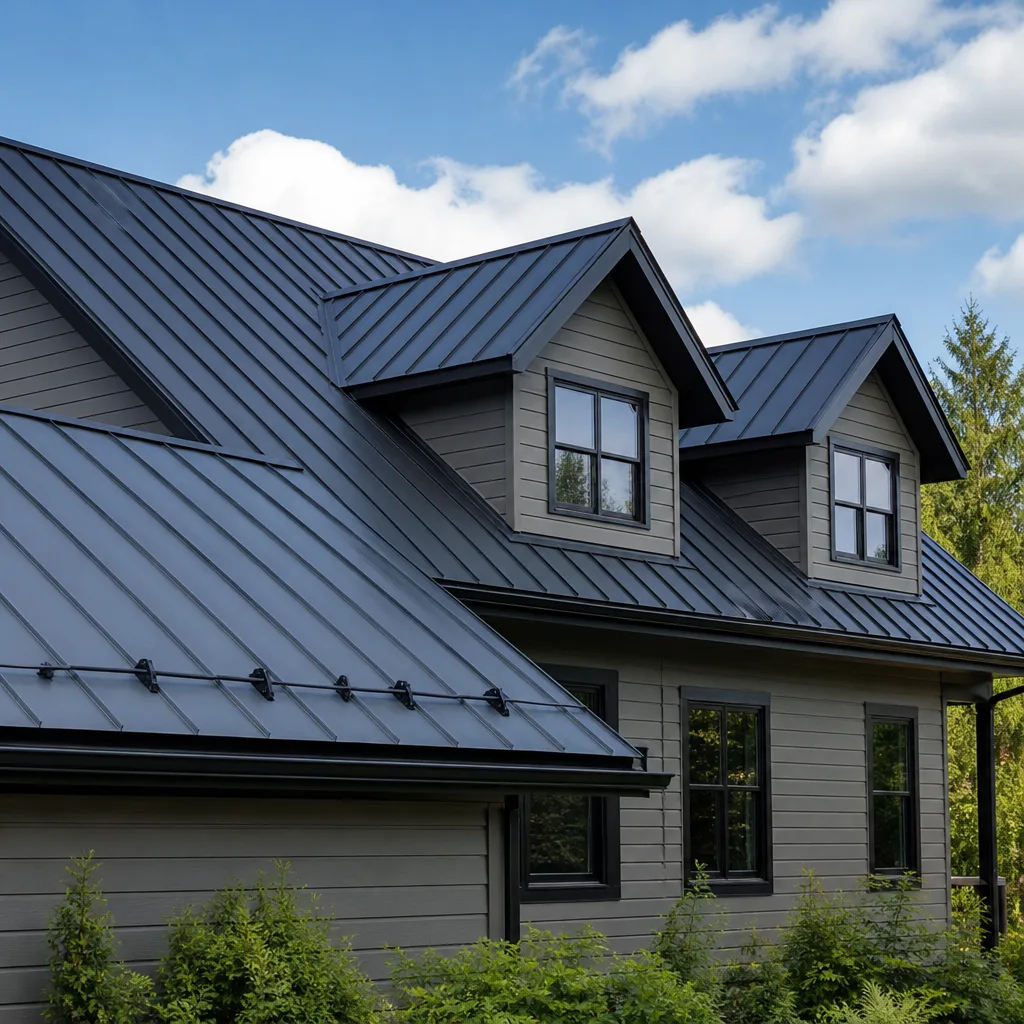 Metal roofing
 GAF
GAF Owens Corning
 Flat & low-slope
Free roof inspection with deck photos before we talk money - GAF and Owens Corning certified installation
Atlas Flashing Replacement: The San Diego Owner’s Guide
We keep Atlas-compatible flashing in stock and install replacement flashing on San Diego homes most weeks, with most jobs running between $350 and $850 installed depending on location and access. If you’ve got water staining near a chimney, wall intersection, or valley, that’s usually how this failure announces itself. The most common discovery path we see is a ceiling stain that appears after the first real rain, then darkens over the following weeks.
Flashing is the metal material, usually aluminum or galvanized steel, that covers the seams where your roof meets something vertical: a chimney, a wall, a skylight, or a vent pipe. Atlas shingles are a good product, but flashing is the weak point on nearly every roof system, and San Diego’s combination of harsh sun and occasional heavy rain cycles puts real stress on the sealants that hold flashing in place. The metal itself can last decades, but the caulk and sealant around it rarely make it past 10 to 12 years before drying out and cracking.
Which Atlas Models This Applies To
Atlas flashing products work across their entire shingle lineup, so whether your roof has Pinnacle, StormMaster, GlassMaster, or Castlebrook shingles, the flashing requirements are largely the same. Most Atlas roofs in San Diego use standard step flashing at walls, continuous flashing at headwalls, and pre-formed metal at pipes and vents. The key compatibility factor is not the shingle model but the flashing’s profile and material gauge, which must match what’s already on your roof.
Here’s a gotcha we run into regularly: older San Diego homes built before roughly 1990 often have 26-gauge galvanized steel flashing, while newer construction and most current Atlas installations use 24-gauge aluminum or even copper in coastal areas. If someone replaces a galvanized piece with thinner aluminum, you get a material mismatch that leads to galvanic corrosion where the metals touch, especially within a few miles of the coast. We match the existing metal type and gauge, which is the difference between a repair that lasts five years and one that’s still dry at fifteen.
For OEM versus aftermarket: Atlas-branded flashing components are made to their published specs, but quality aftermarket pieces from established metal fabricators meet the same dimensions and often cost 20 to 30 percent less. We stock both and will tell you plainly when the aftermarket piece is just as good. For Atlas, that’s true of step flashing and valley metal. Where we’d lean OEM is any pre-formed Atlas vent or pipe boot, because those integrate with the shingle profile in a way generic parts sometimes don’t.
Styles & brands we work with
Signs Your Atlas Flashing Replacement Is Failing
- Water staining on ceilings or walls near a chimney or wall intersection. This is the classic symptom, and it means water is getting past the flashing and traveling along the roof deck before showing up inside. Call sooner than later because by this point the decking underneath is already getting wet.
- Visible rust or corrosion on exposed flashing metal. In San Diego’s coastal areas, salt air accelerates rust on galvanized flashing. Once rust is visible, the metal can have pinholes you cannot see from the ground.
- Cracked, pulled-away, or missing sealant around flashing edges. The sealant bead is what makes flashing watertight. Once it hardens and separates from the metal, water has a direct path underneath.
- Lifted or curled shingles near flashing points. When shingles start lifting, the overlap that protects the flashing is lost. Strong Santa Ana winds make this worse on exposed roof faces.
- Granules accumulating in gutters near chimney or wall lines. This indicates shingle deterioration around a flashing point, which means the system is breaking down from the outside in.
Replacement Cost & What’s Included
In San Diego, expect to pay between $350 and $850 for most Atlas flashing replacement jobs. A single pipe boot or small step-flashing section runs $350 to $500. Replacing flashing along a full chimney, a wall intersection, or a valley runs closer to $650 to $850 when access is straightforward. If the roof is steep, high off the ground, or requires multiple ladder placements, the price moves toward the top of that range.
Every quote from Tilehurst Roofing San Diego includes the flashing material, matching sealant, all labor, cleanup, and haul-away. The written price is in your hands before we touch anything, and it does not change once work starts unless we find hidden decking damage underneath, which we’d show you photos of and price separately before proceeding. Every flashing repair carries our written guarantee, and if it fails inside the guarantee period, we return at no charge under the 365-Day Done Right Promise. Greg Holloway signs off on estimates personally, and his standing rule is the same one you’ll hear on any job site: you’ll know the price before we touch your roof.
See the difference
 Before
 After
After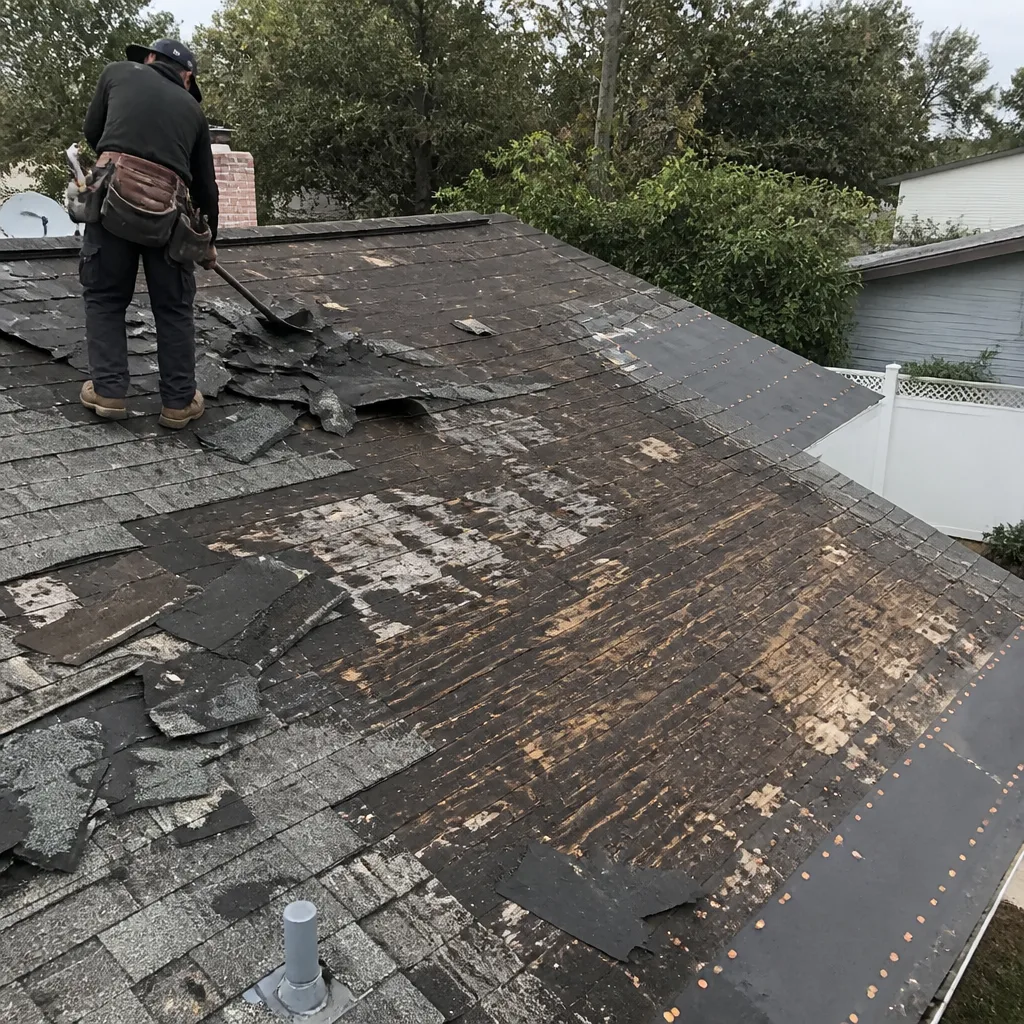 Before
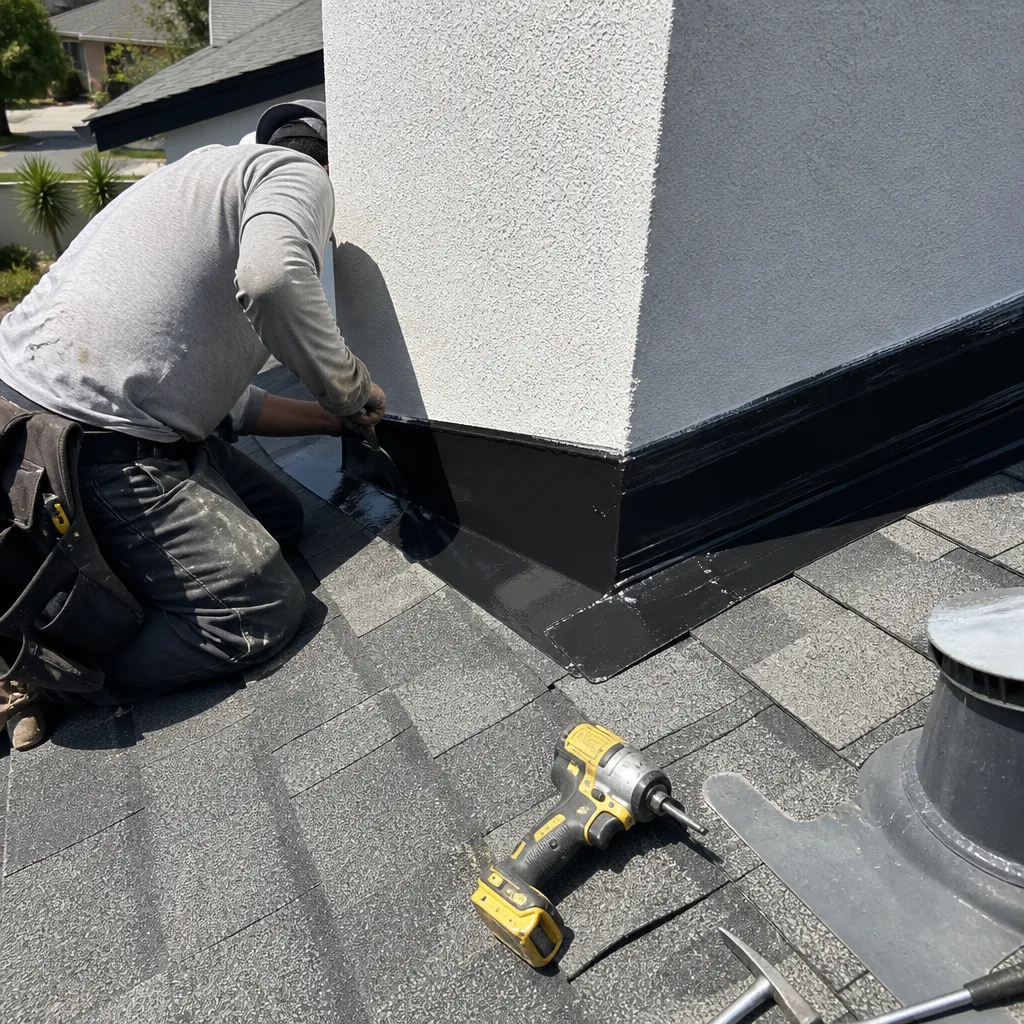 After
After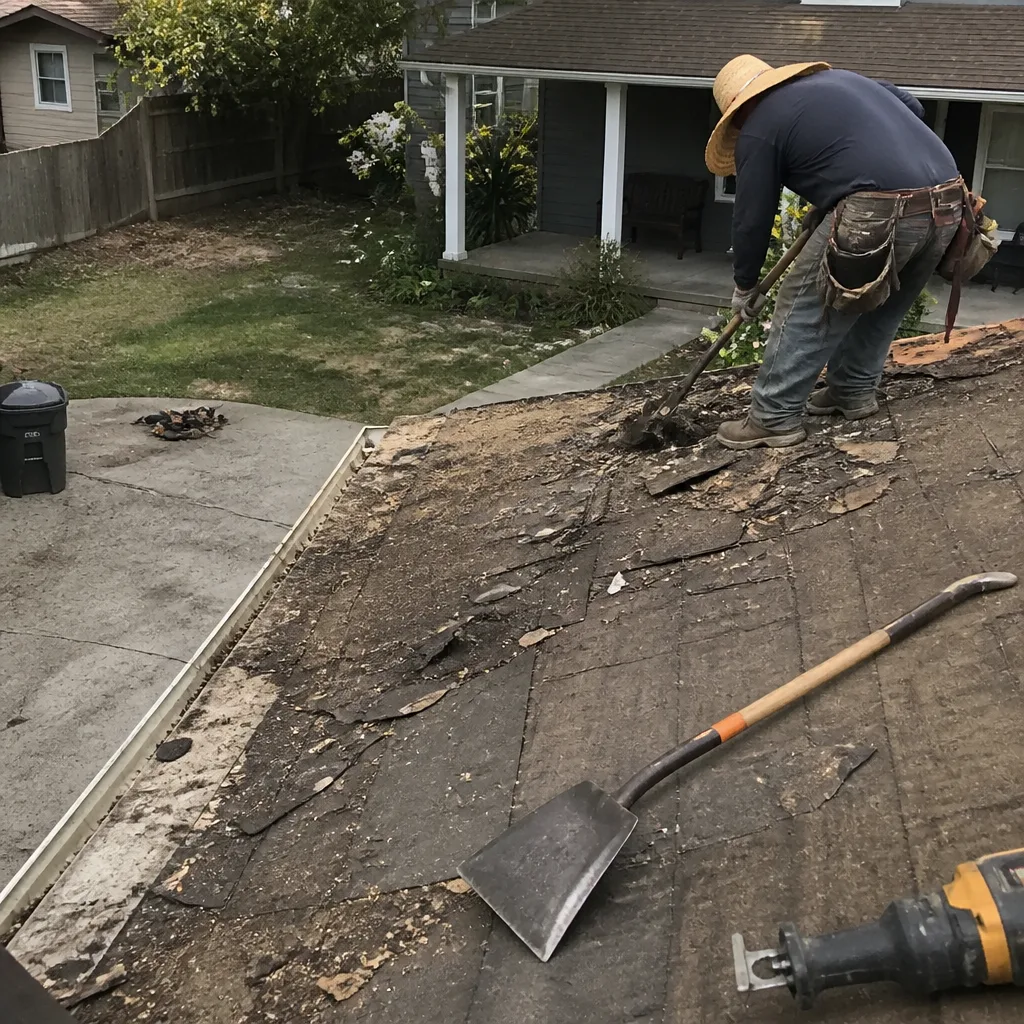 Before
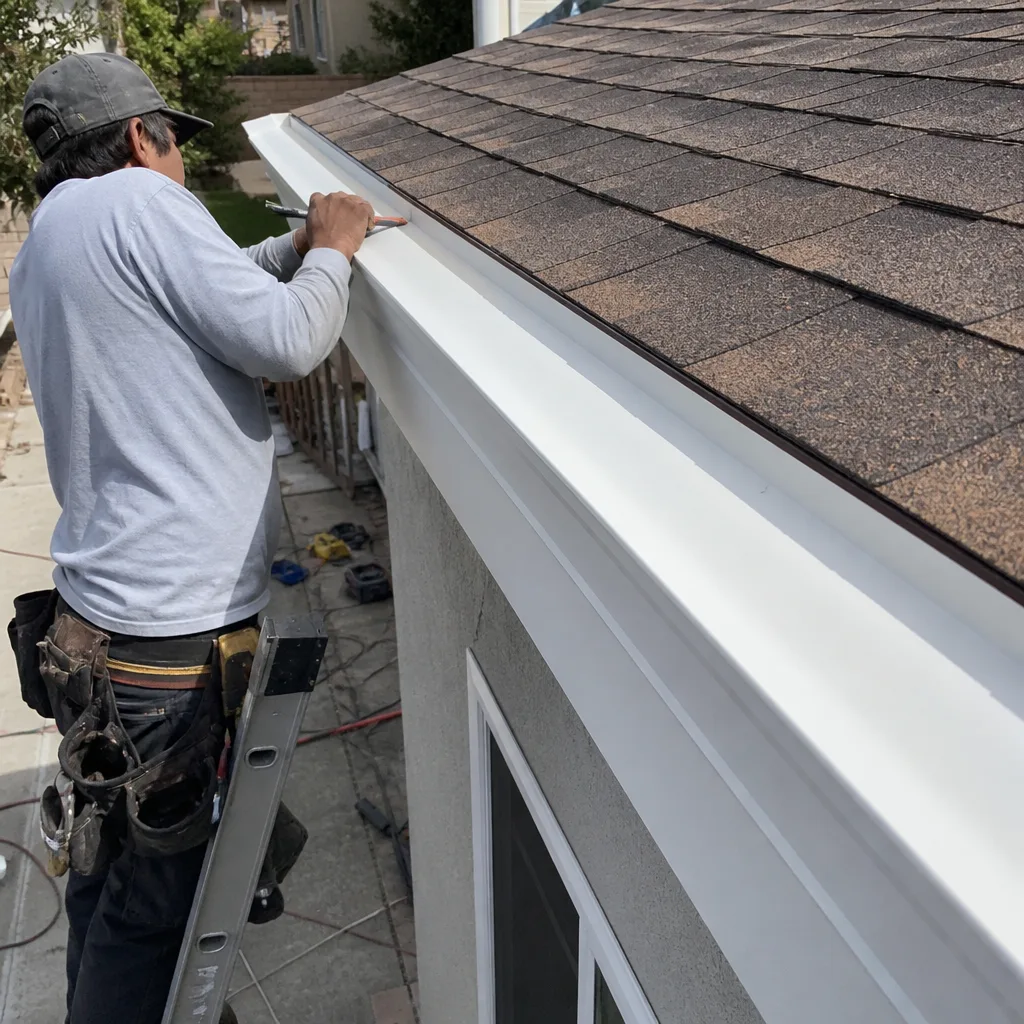 After
AfterDIY or Call Us?
You can safely inspect flashing from the ground or from a ladder placed on solid footing. Look for missing sealant, visible rust, and any metal that’s clearly separated from the roof surface. But actual flashing replacement means working at the roof edge, where most flashing issues live, and that’s where we recommend a trained professional. A good third of our flashing work involves correcting a previous DIY attempt that held for one season and then leaked worse than the original problem.
Flashing replacement also involves lifting shingle courses, which if done incorrectly creates new leak paths. And once you’re up on a San Diego roof in July, the surface temperature can exceed 140 degrees, which makes the work genuinely unpleasant and more dangerous. We carry both OEM Atlas flashing and quality aftermarket equivalents on our trucks, along with matching sealants and the right tools to get off the roof safely. Call us at (619) 393-3877 and we’ll give you an honest assessment over the phone before we schedule a free estimate.
FAQs
Expect 12 to 20 years from well-installed Atlas-compatible flashing in San Diego, with coastal homes typically seeing the shorter end due to salt air. The sealant around flashing generally needs replacement every 8 to 12 years, which is cheaper than full flashing replacement. Call (619) 393-3877 and we can tell you which situation you’re in during the estimate.
Yes, if the metal is intact and only the sealant has failed, a re-seal is usually sufficient and runs $200 to $400 in most San Diego locations. If the metal is rusted through, bent, or pulled away from the wall, replacement is the only repair that will hold. We’ll show you the condition before recommending either path.
Most single-point flashing replacements take two to four hours, including setup, old material removal, new flashing install, sealant application, and cleanup. If we’re doing multiple flashings at once, plan for a full day, and we’ll tell you that upfront in writing.
Yes, we stock Atlas-compatible step flashing, pipe boots, and valley metal on our trucks in 24-gauge aluminum and galvanized steel. For specialty pieces or copper, we can usually have the material in hand within a few business days. We also stock flashing for GAF, Owens Corning, and CertainTeed systems, so we can match whatever’s on your roof now.
Get a Written Estimate for Your Atlas Flashing Replacement
If you’ve got a stain, a rust spot, or just a roof that’s pushing twenty years old and you want flashing inspected before the rainy season, call Tilehurst Roofing San Diego at (619) 393-3877. We’ll schedule a free estimate, show up when we said we would, and hand you a written price before any work starts. Live people answer our phones, evenings and weekends included. You’ll know the price before we touch your roof.
Written by Greg Holloway, Owner, Tilehurst Roofing San Diego at Tilehurst Roofing San Diego, serving San Diego and nearby areas.