
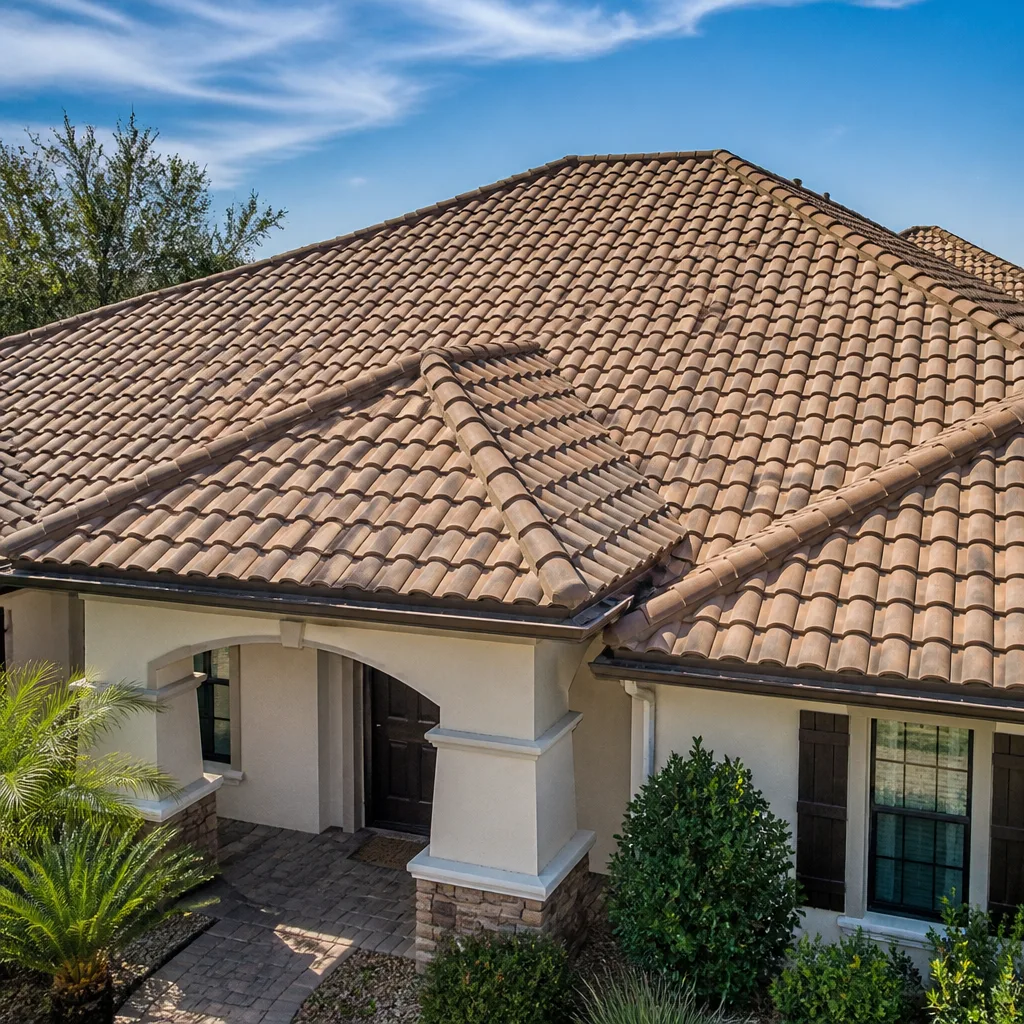
 Tile roofing
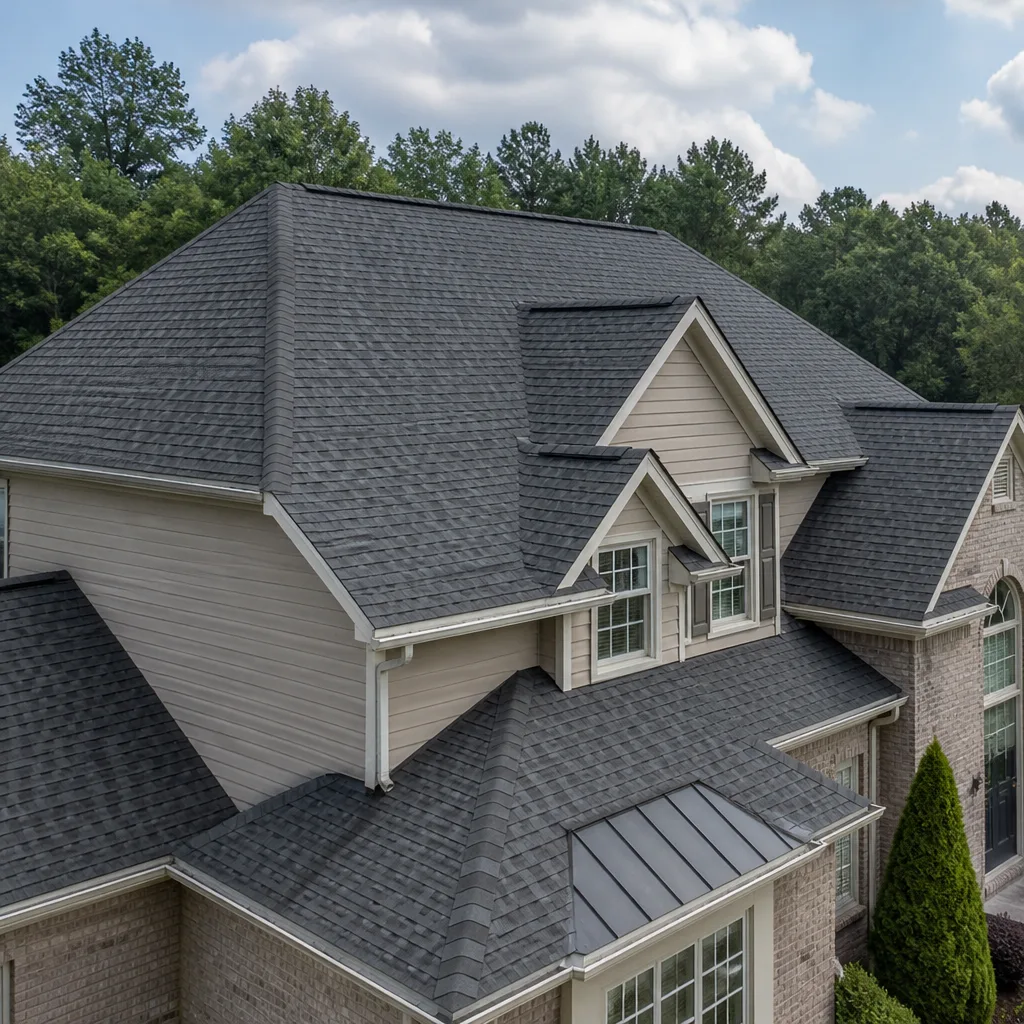 Architectural shingles
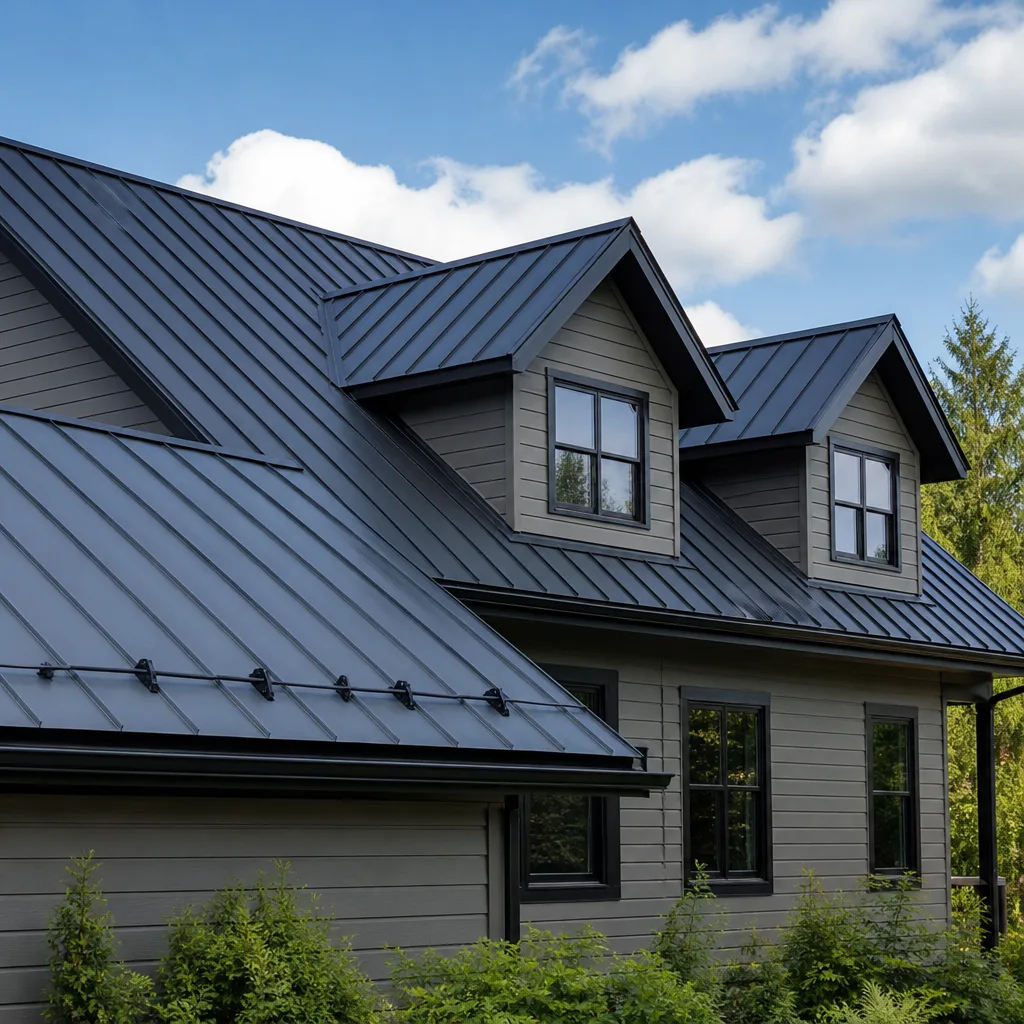 Metal roofing
 GAF
GAF Owens Corning
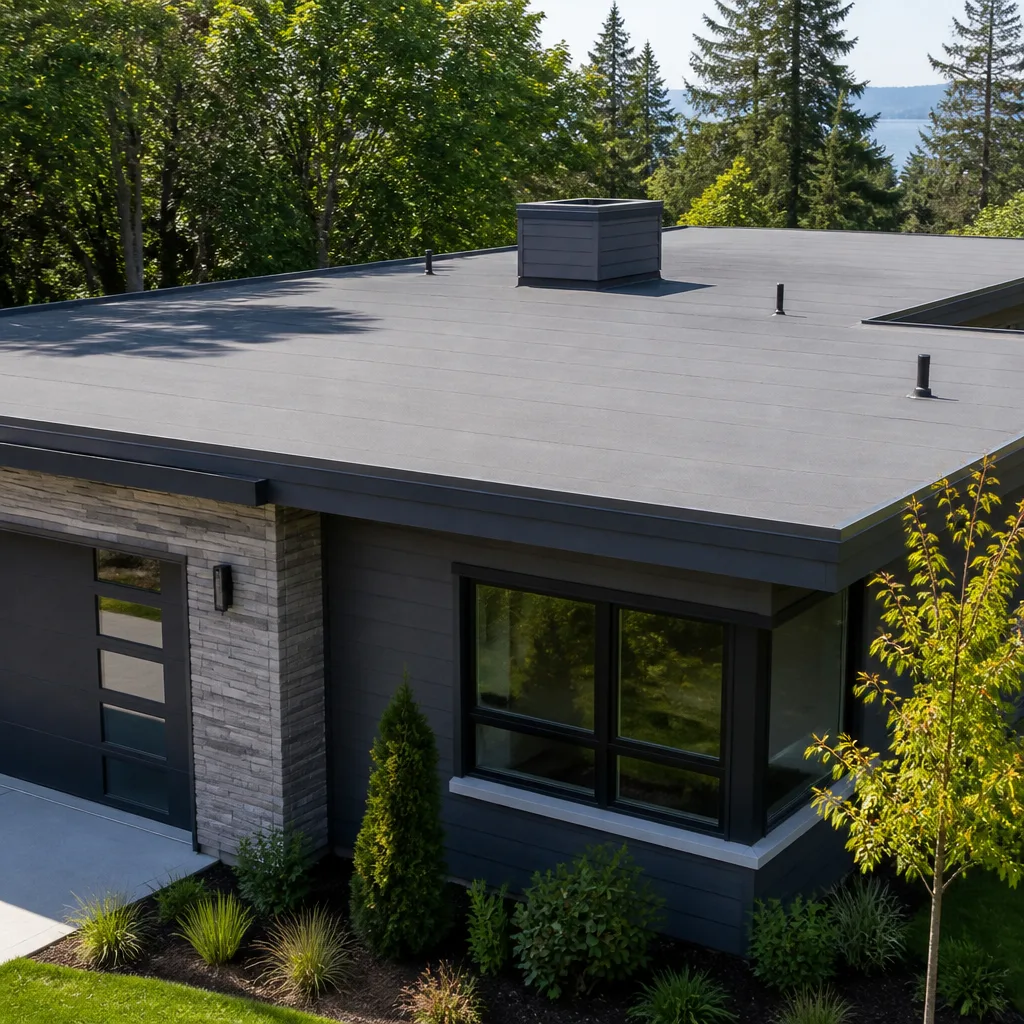 Flat & low-slope
Free roof inspection with deck photos before we talk money - GAF and Owens Corning certified installation
Tamko Flashing Replacement: The San Diego Owner’s Guide
Tamko flashing replacement in San Diego typically runs $280 – $640 installed, depending on which flashing component failed and how much of the surrounding roof needs to be opened up. We stock Tamko-compatible flashing on our trucks, so most San Diego homes can get this fixed same-day once we’ve seen the damage. Flashing failures usually announce themselves as a brown ceiling stain after the first real rain, or as curling metal at a wall-to-roof junction that you can spot from the ground with decent eyes. The flashing is the metal that bridges the gap between your roof and anything vertical, whether that’s a chimney, a skylight, or the wall of a second story. When it goes, water gets where water shouldn’t be.
Which Tamko Models This Applies To
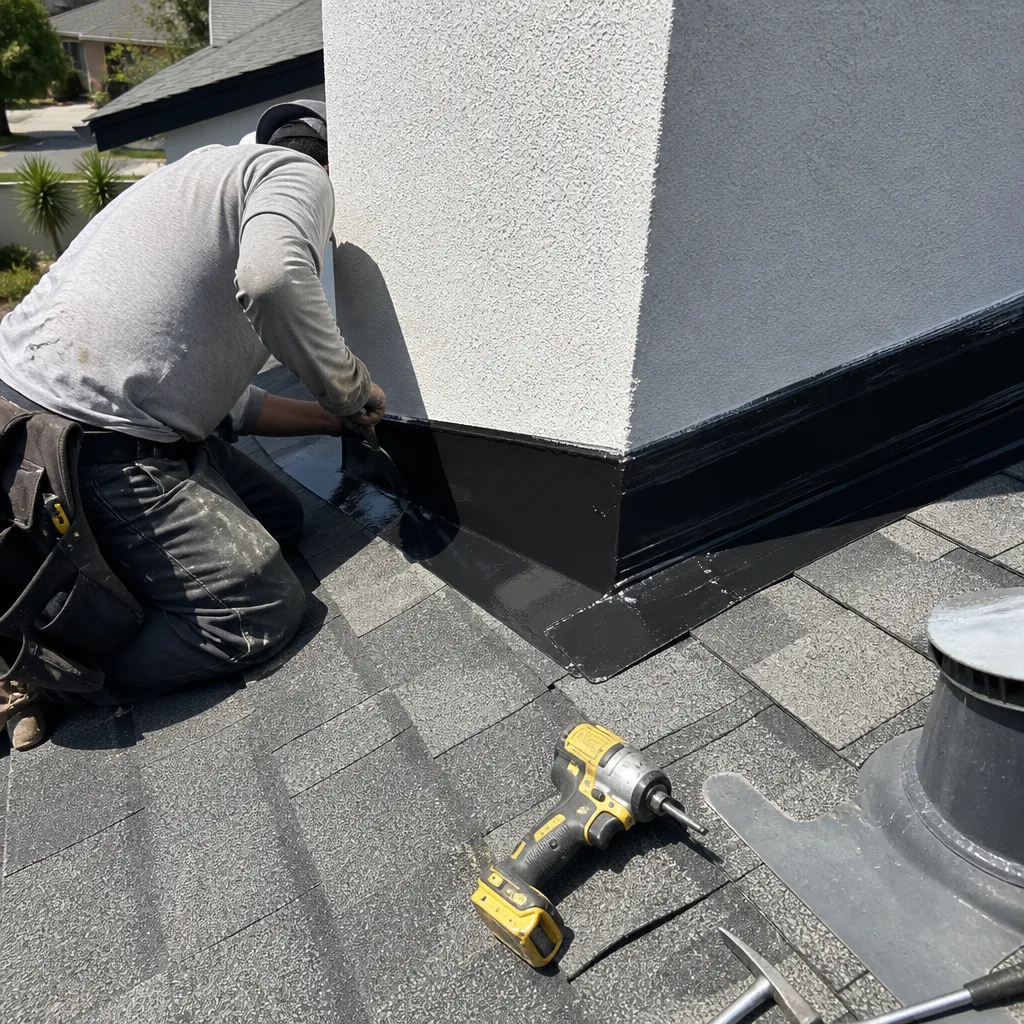
Tamko flashing works across their full asphalt shingle lineup, including Heritage, Heritage Premium, Elite Glass-Seal, and Lamarite slate-look products. The flashing itself isn’t model-specific the way a shingle color is, but the installation details change based on the roof system you’ve got. What matters more is which flashing we’re talking about: step flashing at sidewalls, pipe boot flashing around plumbing vents, chimney flashing, or headwall flashing where a roof meets a steeper upper wall. Each has its own failure pattern and its own price.
For the OEM-vs-aftermarket decision: Tamko doesn’t manufacture its own flashing metal. The flashing on a Tamko roof is typically galvanized steel or aluminum sourced from metal fabricators, often painted to match the shingle color. So when we say “Tamko flashing replacement,” we mean flashing that’s correct for the Tamko roof system, matched to the existing profile and properly integrated with Tamko’s water-resistant underlayment. We use quality metal that meets or exceeds what was originally installed. The real compatibility question isn’t brand, it’s metal type and gauge. Galvanized steel flashing outlasts aluminum here in San Diego’s coastal air, especially within a couple miles of the water, where salt accelerates aluminum corrosion. That’s a checkable fact that matters for your quote.
Styles & brands we work with
Signs Your Tamko Flashing Replacement Is Failing
- Ceiling stains or drips near a chimney, skylight, or wall junction. This is the classic first sign. Water follows the failed flashing down the roof deck and shows up on the ceiling below, sometimes several feet from the actual leak point, which is why guessing at the source usually sends someone to the wrong spot.
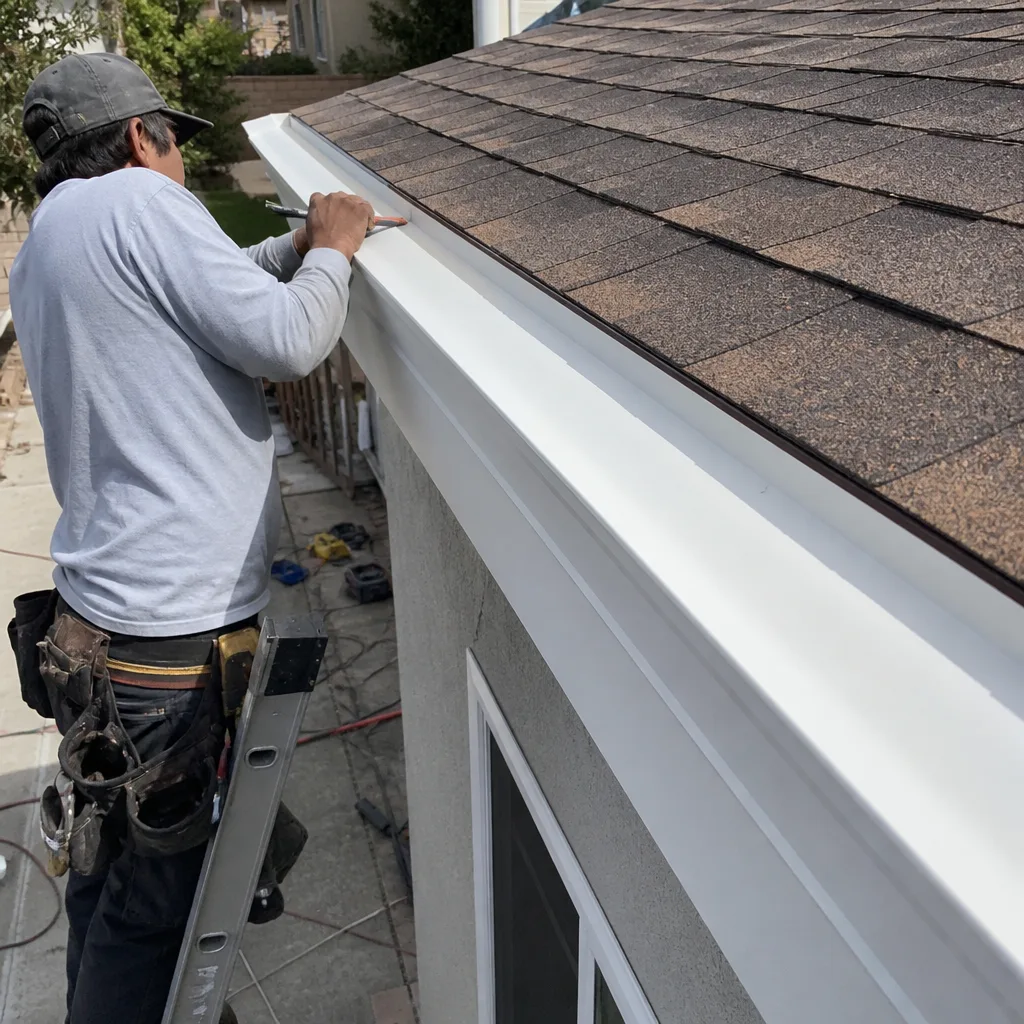
- Curling, cracked, or missing flashing metal at a dormer or sidewall. On a hot San Diego summer afternoon, metal flashing expands and contracts. Over 15 to 20 years, the thermal stress works the metal loose from the shingle step, and wind gets under it, peeling the flashing up like a can lid. You can often see this from the ground with a pair of binoculars.
- Rusted or corroded flashing. Roof flashing in San Diego carries a heavier corrosion load than people expect. Morning marine layer, then afternoon sun, plus salt within a few miles of the coast, will eat through thinner metal flashing in well under two decades. Rust streaks staining the shingles below a chimney or vent are the tell.
- Granule loss concentrated at roof-to-wall seams. When flashing fails, water runs down the seam, eroding the protective granules on the shingles below. You’ll see a dark streak of asphalt showing through where the granules are gone. That’s not just a stain, that’s the first stage of shingle failure right along the failing flashing line.
- Attic moisture or mold smells after rain. If the flashing leak is slow and steady rather than a dramatic drip, the sign is a musty smell in the attic or staining on the underside of the roof deck. That trapped moisture also deteriorates the decking itself, which is why a flashing repair sometimes includes a small deck patch once we open things up.
See the difference
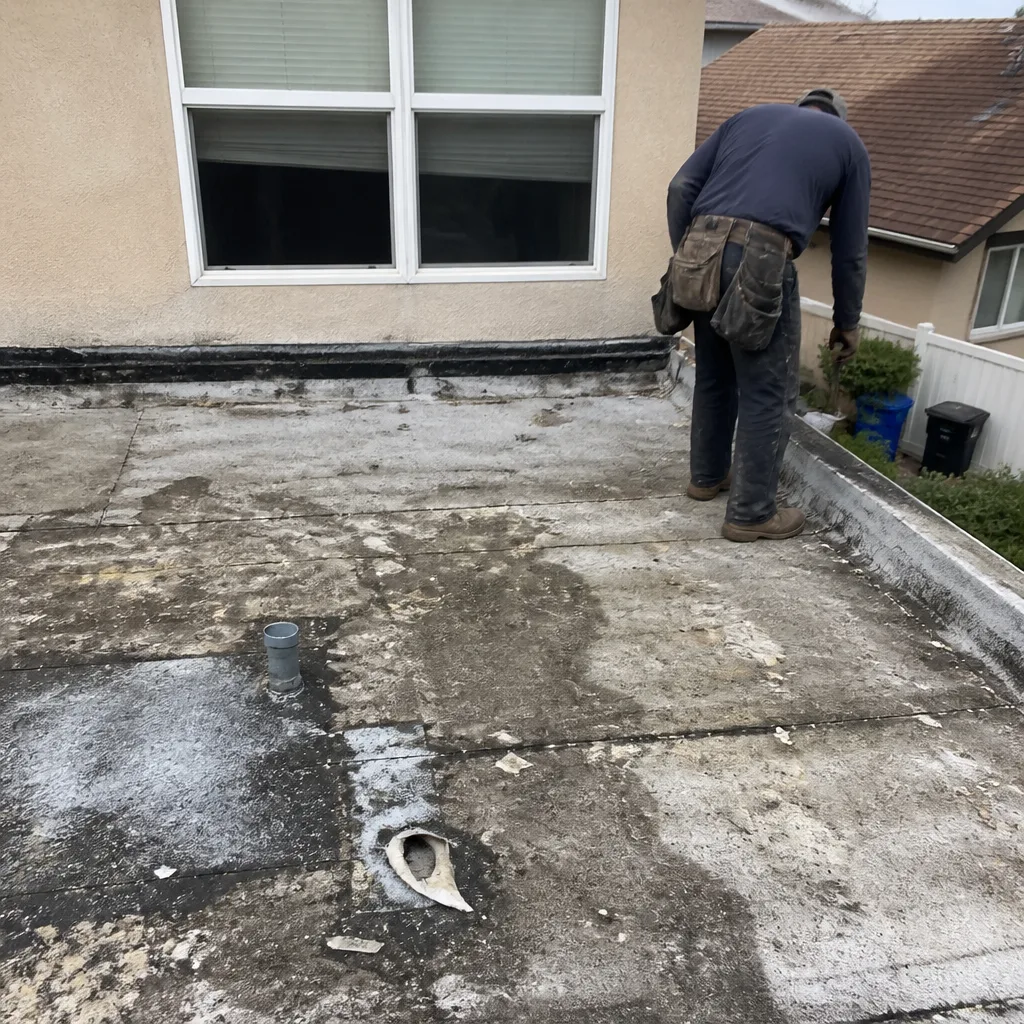 Before
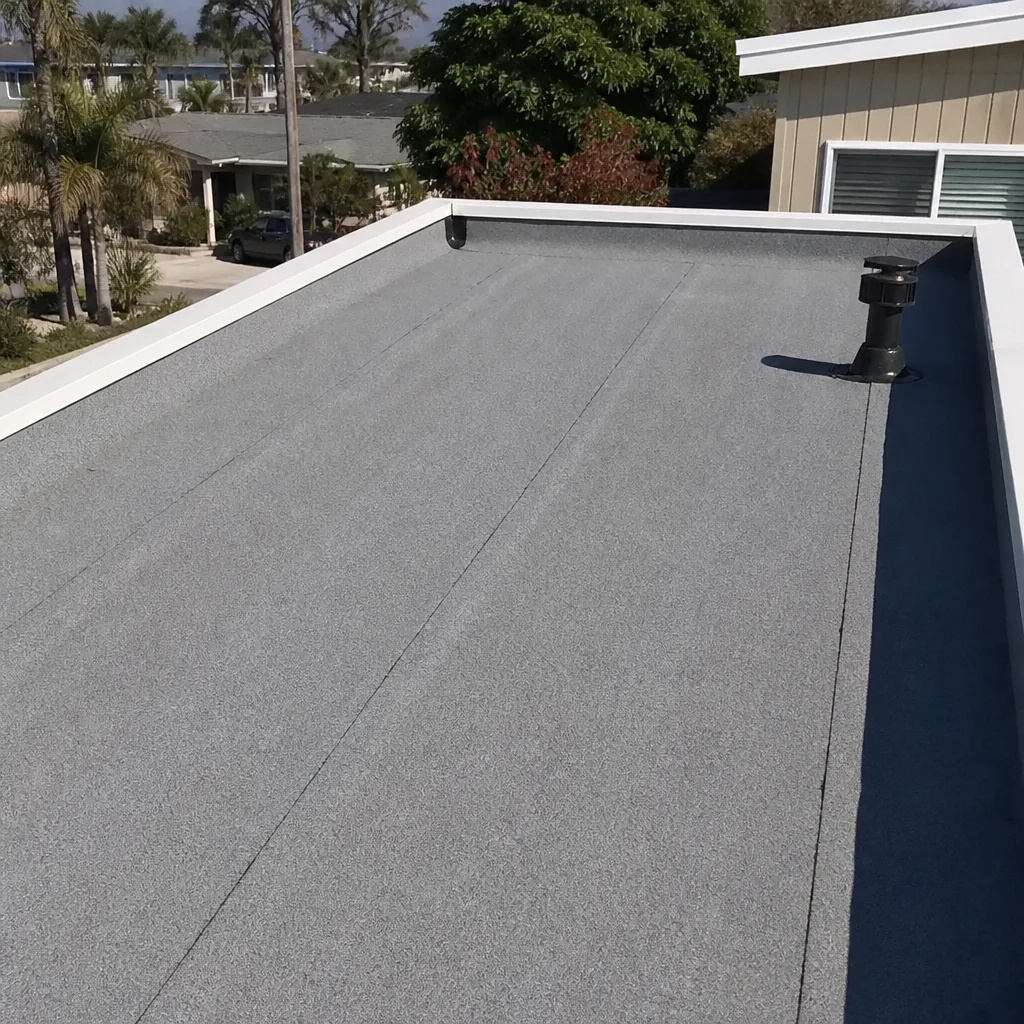 After
After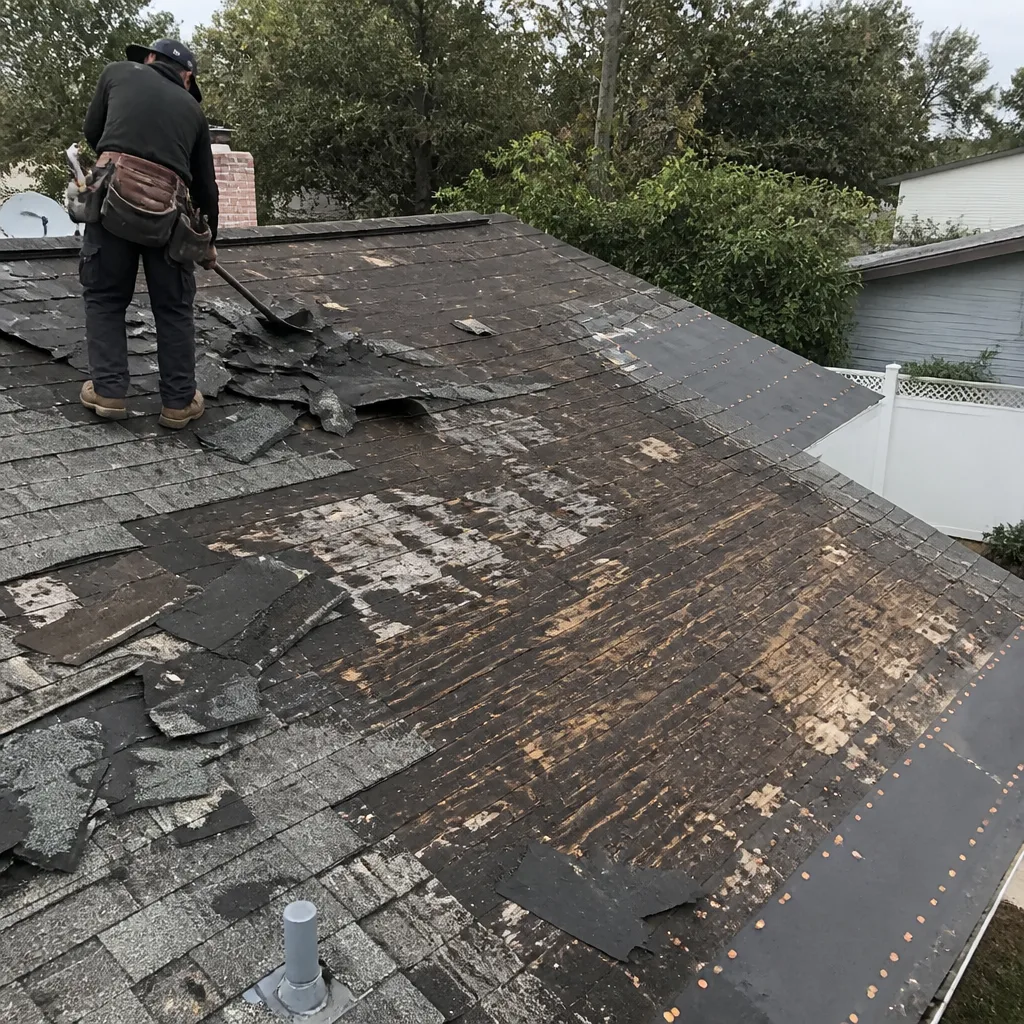 Before
 After
After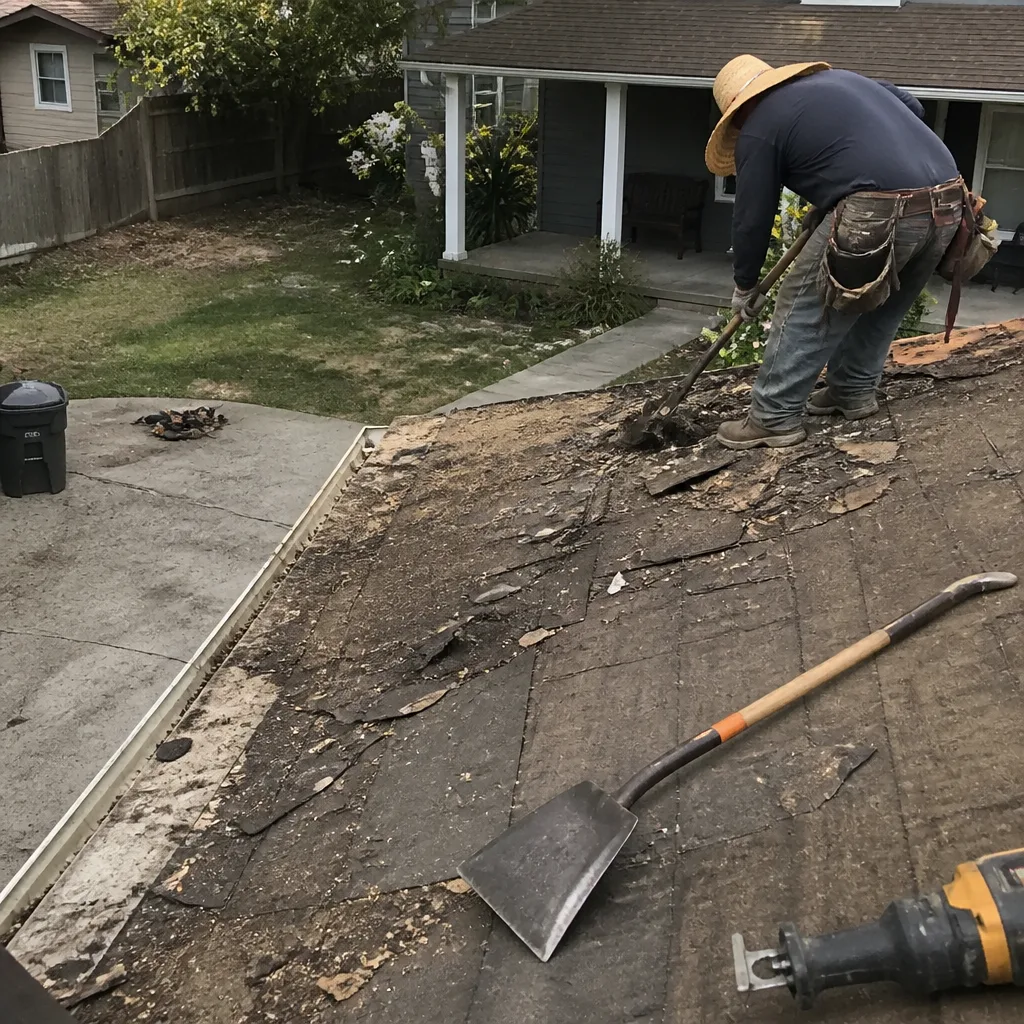 Before
 After
AfterReplacement Cost & What’s Included
For most San Diego single-family homes, expect to pay between $280 and $640 installed for a typical Tamko flashing replacement. A simple pipe boot replacement lands at the low end: a new lead or rubber-and-metal pipe collar, properly integrated with the surrounding Tamko shingles. Step flashing replacement along a dormer or sidewall runs higher because the shingle course has to be lifted, the old step flashing removed piece by piece, and new flashing woven in with the roofing. Chimney flashing runs the highest, especially if we need to cut a reglet (a small channel) into the masonry and install new counter-flashing.
Every one of these prices includes the written quote before we start, the metal, the labor to remove and haul away the old flashing, new sealant, and proper integration with the Tamko underlayment and shingle. No change orders when we find more damage, no surprise line items at the end. You’ll know the price before we touch your roof. Every repair also carries our written guarantee, and if the repair fails inside the guarantee period, we return at no charge under the 365-Day Done Right Promise.
DIY or Call Us?
What an owner can safely do is inspect. You can walk the perimeter of your home with binoculars. You can go into the attic with a flashlight after a rain. You can check whether that ceiling stain is actively damp or bone dry. What you shouldn’t do is climb an extension ladder and start prying up shingles to peek at flashing. Working at height without proper harness points, on a roof where the deck or the flashing itself may be compromised, is where homeowners get seriously hurt. We routinely find DIY caulk-and-hope repairs that sealed water in rather than let it out, causing deck rot that doubled the eventual repair cost.
If you’re on the fence, the inspection is free. One of us comes out, gets on the roof, tells you exactly what’s failed and what it costs to fix, in writing. Call (619) 393-3877 and we’ll have someone out to look. No pressure, no obligation.
FAQs
Around 15 to 20 years in most of San Diego, though coastal areas within two to three miles of the Pacific can see corrosion in under 12 years if the flashing is aluminum or thin-gauge steel. The sun does its share, but the marine layer is what quietly eats metal flashing. If your home is older or you’re seeing rust streaks, get it checked before the next rainy season. Call (619) 393-3877 for an inspection.
Sometimes a section can be patched with sealant or a small metal patch, but if the flashing is rusted, cracked, or pulling away from the wall, a patch just moves the leak down the seam. Replacement of the failed section is usually the same labor cost and far more durable. We only recommend repair when the metal itself is still sound and the issue is a failed sealant joint.
Most Tamko flashing replacements take between two and five hours on site, depending on the flashing type and condition of the surrounding shingles and decking. Pipe boot flashing is fastest. Chimney flashing with counter-flashing is the full afternoon. We’ll tell you the time window up front, and we stick to it.
We stock standard flashing profiles and materials on the truck for most Tamko roof systems in San Diego, including pipe boots, step flashing, and headwall flashing. If your roof uses a custom or fabricated flashing profile, we’ll measure and order it from a local metal fabricator, usually within a few days. We don’t install parts we don’t trust, and we don’t leave the property until the flashing is right.
If you’ve got a leak, a rust stain, or a suspicious patch of granules near a wall or chimney on your San Diego roof, call (619) 393-3877. We’ll send someone out to look for free, put a written estimate in your hand, and if you want the work, we’ll get it done without surprises.
Written by Greg Holloway, Owner, Tilehurst Roofing San Diego at Tilehurst Roofing San Diego, serving San Diego and nearby areas.