
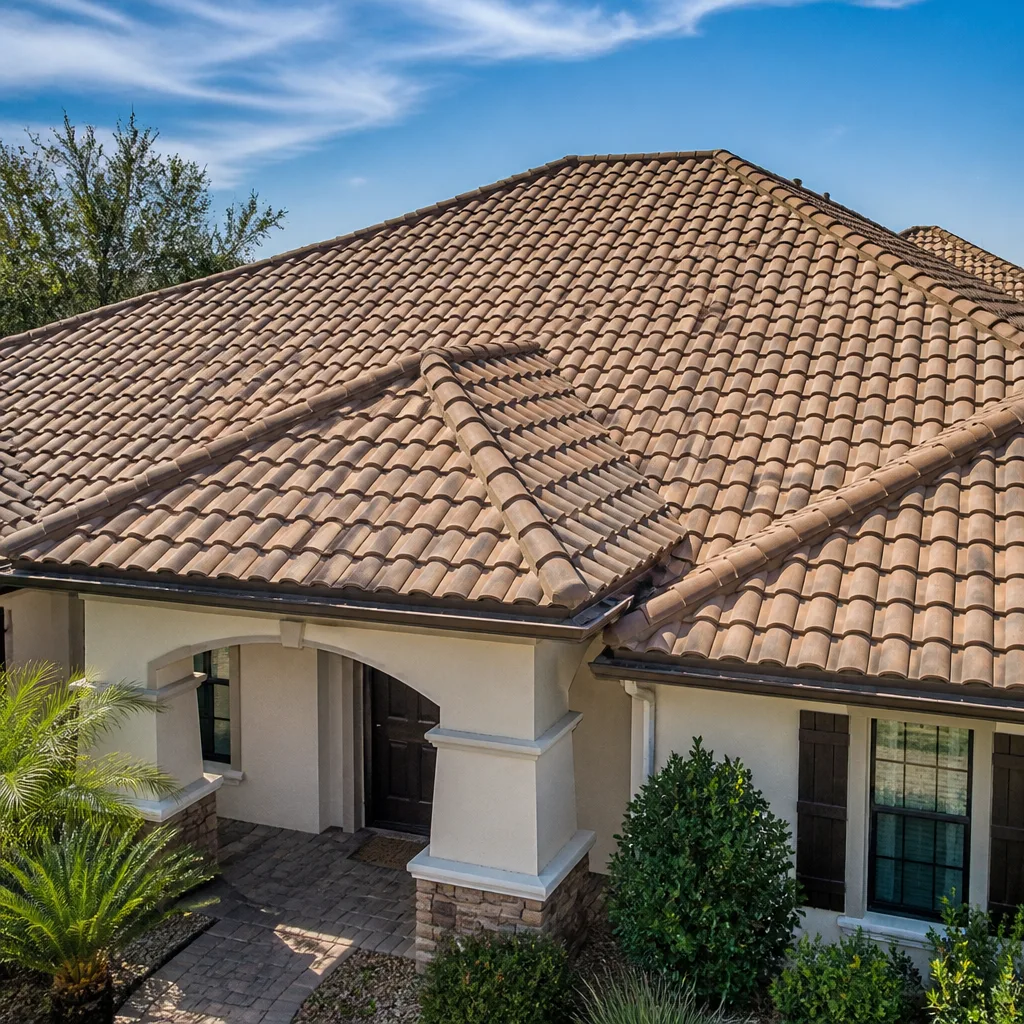
 Tile roofing
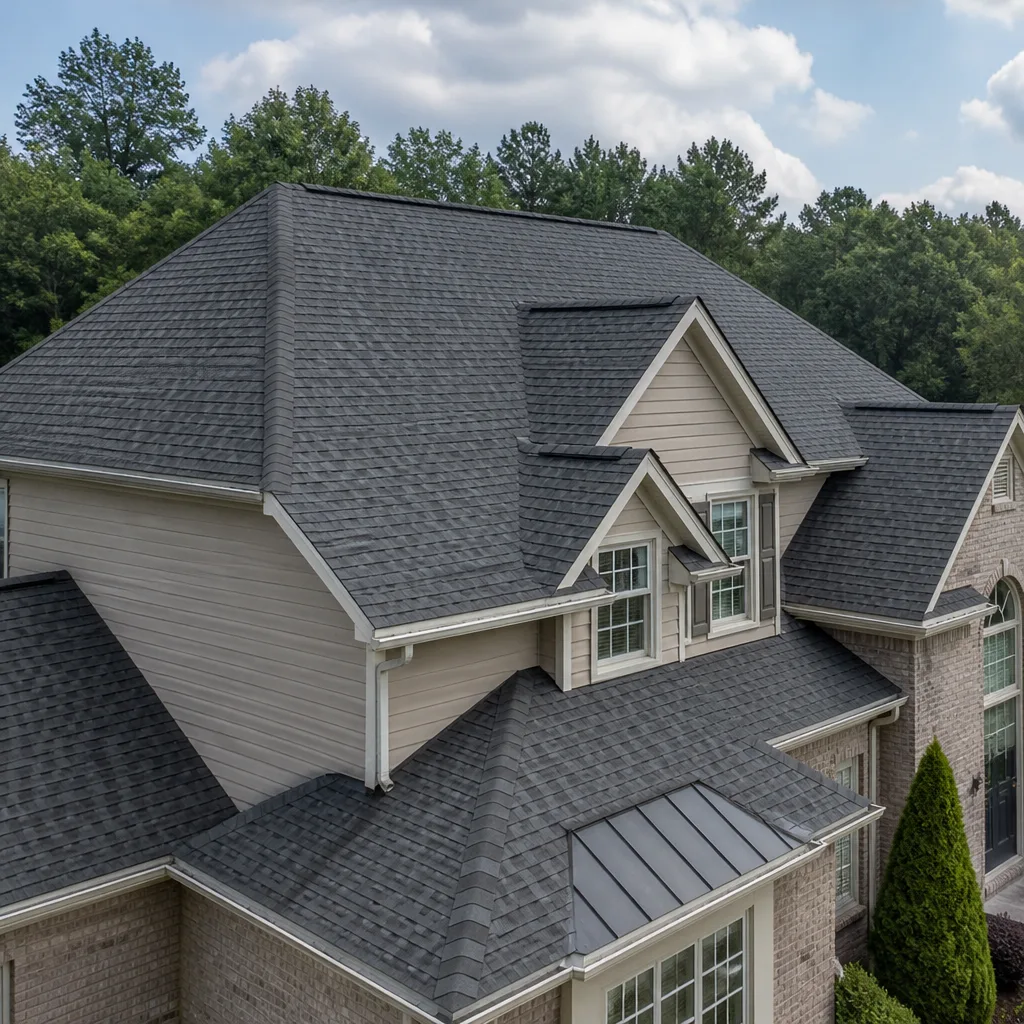 Architectural shingles
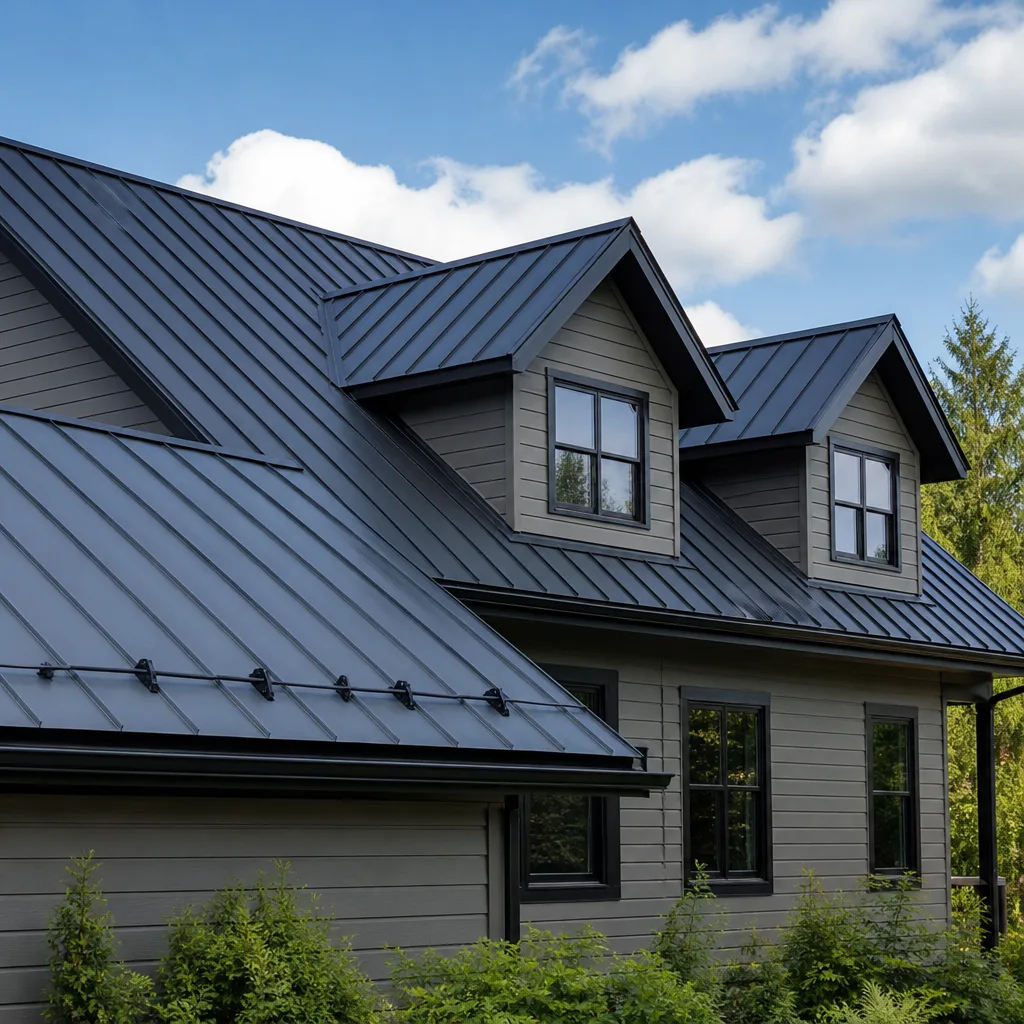 Metal roofing
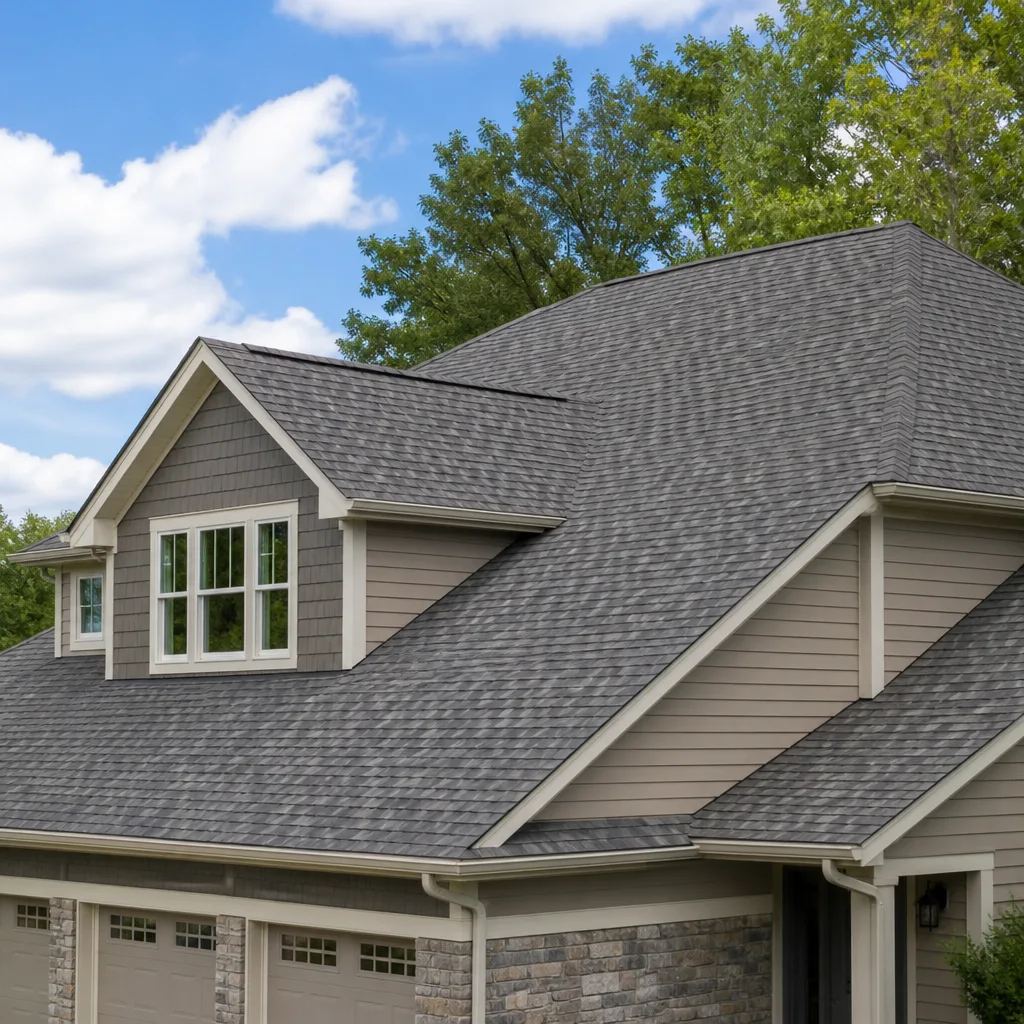 GAF
GAF Owens Corning
 Flat & low-slope
Free roof inspection with deck photos before we talk money - GAF and Owens Corning certified installation
Tamko Underlayment & Deck Repair: The San Diego Owner’s Guide
Tamko underlayment and deck repair in San Diego typically runs $450 to $1,200 installed, depending on how much decking needs replacement and whether we’re addressing the underlayment in one section or across the whole roof. We stock Tamko-compatible underlayment on our trucks, and in most cases we can complete the repair the same week you call. Most owners discover the problem the hard way: a leak shows up on the ceiling after a winter rain, or a section of roof decking feels soft underfoot during a gutter cleaning.
Underlayment is the water-shedding layer between your roof deck (the plywood or OSB sheathing) and your shingles or tile. When it fails, water reaches the deck, and the deck starts to rot. In San Diego, where we get long dry stretches followed by sudden heavy rain, the damage often happens quietly for months before anyone notices. By the time you see a stain, the underlayment underneath has usually been compromised for a while.
Key takeaways:
- Most Tamko underlayment repairs in San Diego fall between $450 and $1,200 installed
- We carry Tamko-compatible underlayment and decking repair materials on the truck
- Every repair gets a written guarantee before the crew leaves, backed by our 365-Day Done Right Promise
- You’ll know the price before we touch your roof
Which Tamko Models This Applies To
Tamko makes several underlayment products, and the right match depends on what your roof was originally built with. The most common lines we service in San Diego are Tamko’s TW synthetic underlayment, their Apex self-adhered underlayment, and their traditional 15-pound and 30-pound asphalt-saturated felt. If you’re not sure what you have, check the edges at the eaves or in the attic: synthetic underlayment usually has the Tamko name printed on it, while felt looks like thick black paper with a fibrous texture.
Here’s the compatibility gotcha most homeowners don’t know: Tamko’s self-adhered Apex products and their synthetic TW line are not interchangeable in every application. Apex is designed for low-slope sections and valley linings where water moves slowly, while TW synthetic is built for standard slopes under shingles. If a previous crew installed felt where a peel-and-stick membrane should have gone, that’s often why the section failed early. We match the product to the specific location on your roof, not just the brand.
For decking, the repair material is simpler: we replace rotted sections with CDX plywood or OSB that matches the thickness of your existing deck, typically 1/2-inch or 5/8-inch. San Diego’s coastal humidity means decking near the eaves and valleys rots faster than decking up near the ridge, which is why we inspect those zones first on every Tamko repair call.
Tilehurst Roofing San Diego is an independent roofing contractor. We install and repair Tamko-compatible materials, but we are not affiliated with Tamko or any other manufacturer. That said, we’re one of the few San Diego roofing crews that stocks Tamko-compatible underlayment alongside GAF, Owens Corning, and CertainTeed materials on the same truck, so you’re never waiting on a special order when the leak is active.
Styles & brands we work with
Signs Your Tamko Underlayment & Deck Repair Is Failing
- Water stains on ceilings or walls after rain. This is the classic first signal. By the time water reaches your drywall, it has already passed through the underlayment and saturated the decking. The stain is the end of the line, not the beginning.
- Soft or spongy spots on the roof deck. If you can feel give underfoot when walking the roof, the decking has lost structural integrity. In San Diego, this is most common on older homes near Point Loma, Ocean Beach, and other coastal zones where marine air keeps moisture levels high year-round.
- Wrinkled or lifted underlayment visible at the eaves. You can sometimes spot this from the ground with binoculars. Wrinkled synthetic or torn felt at the edges means the underlayment has lost its seal and wind-driven rain is getting underneath.
- Granules from shingles collecting in gutters, combined with damp spots. Granule loss accelerates once underlayment fails, because the deck movement underneath stresses the shingles above. If you see heavy granule accumulation in downspouts, the underlayment may already be compromised.
- A persistent musty smell in the attic after rain. This usually means the decking is holding moisture but hasn’t rotted through enough to drip yet. It’s the cheapest stage to catch the problem, and the one most homeowners miss.
See the difference
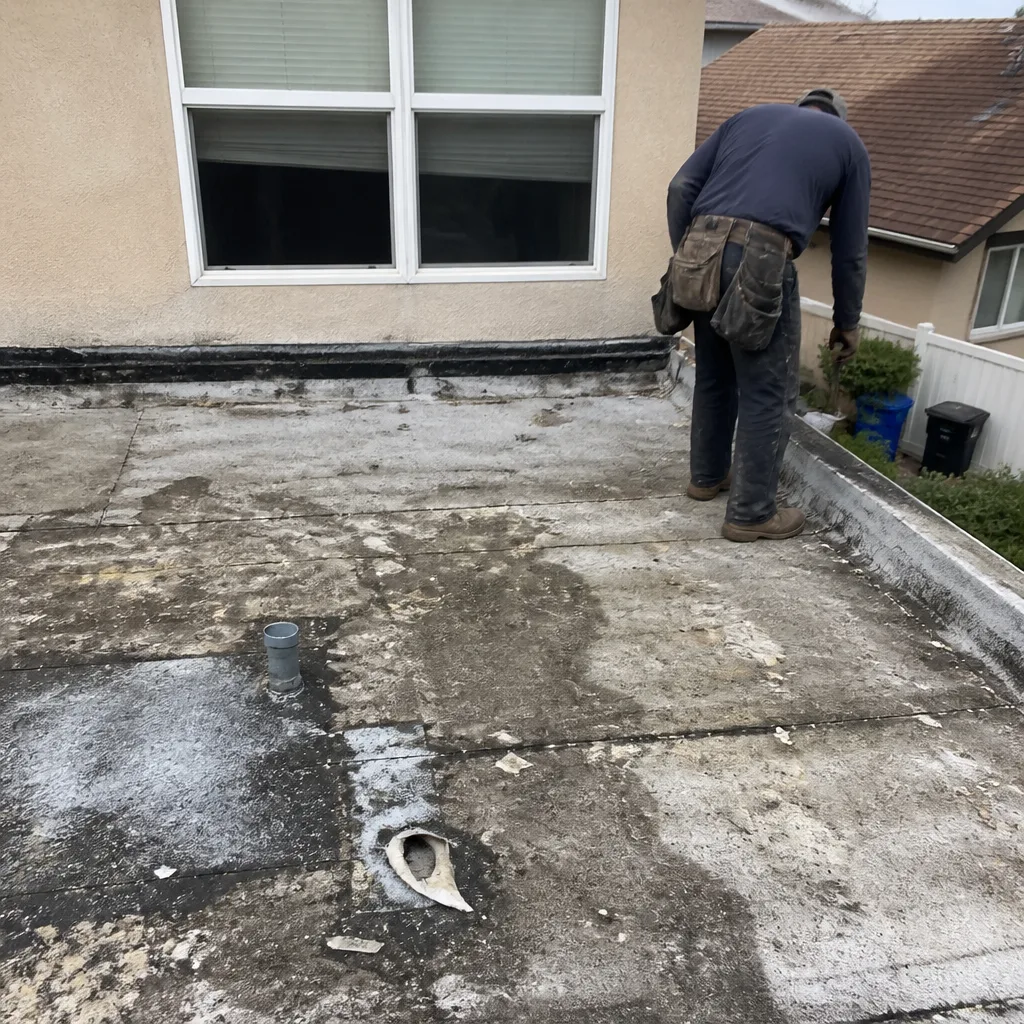 Before
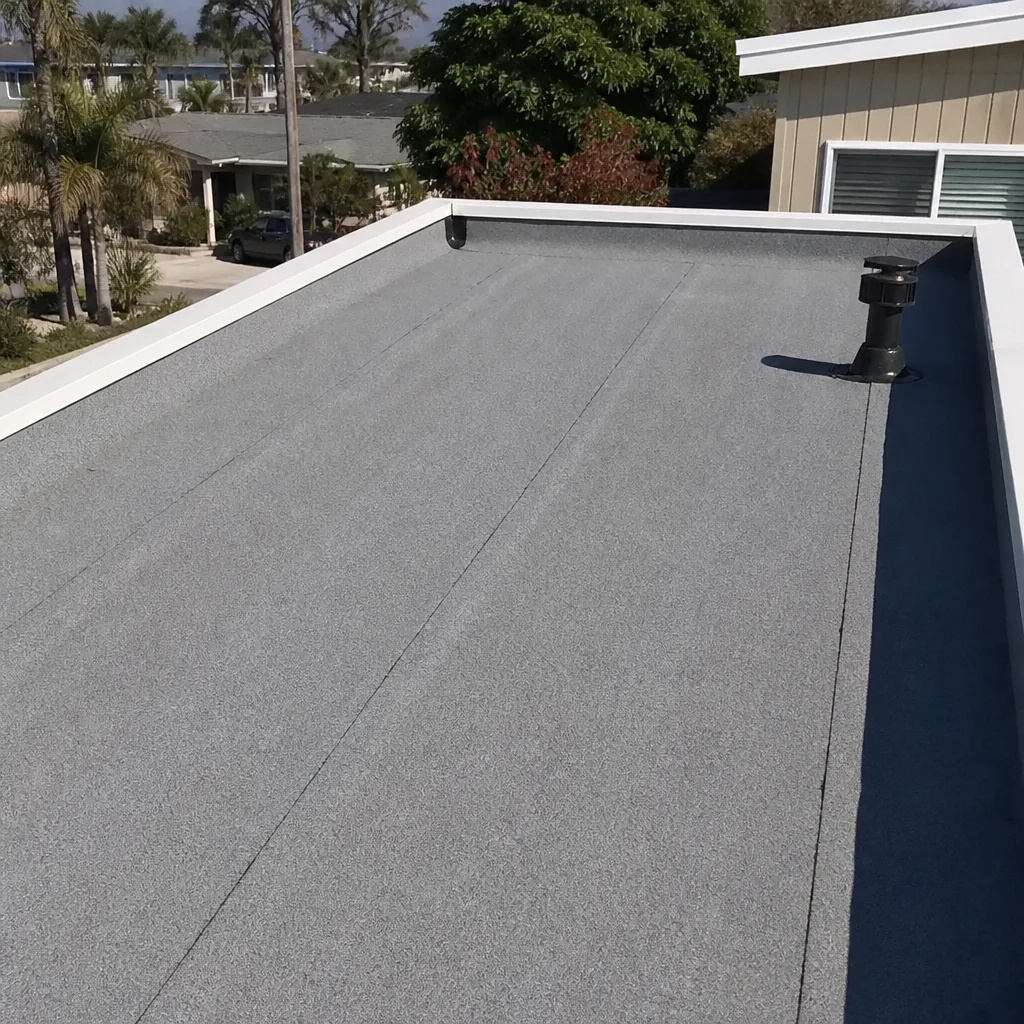 After
After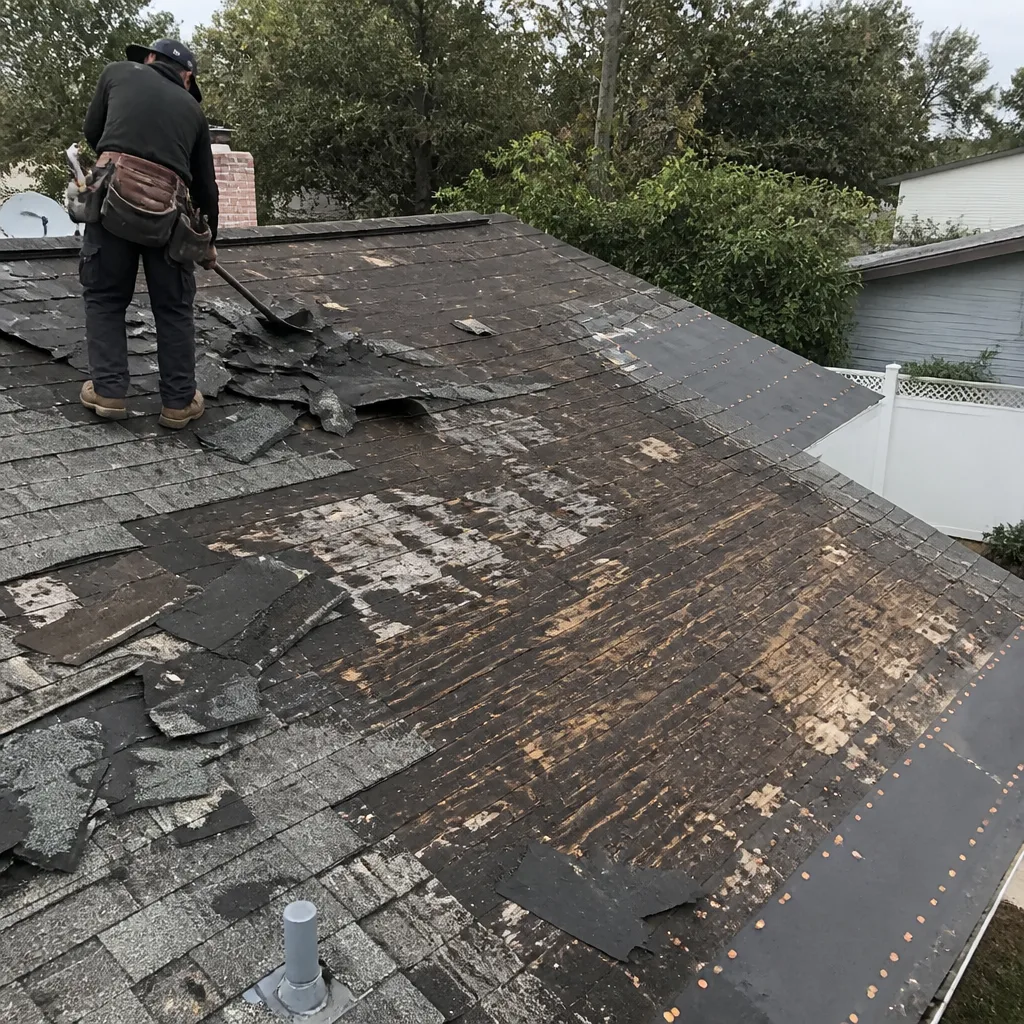 Before
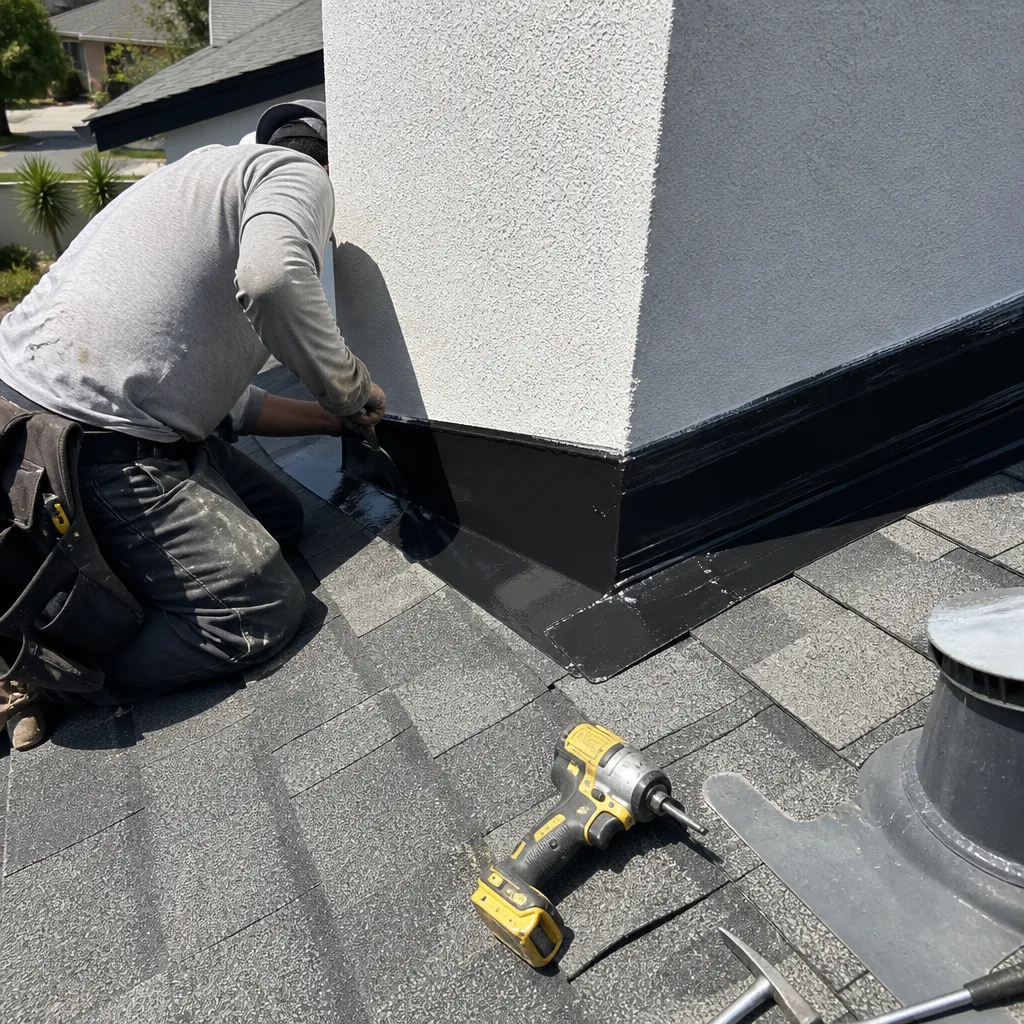 After
After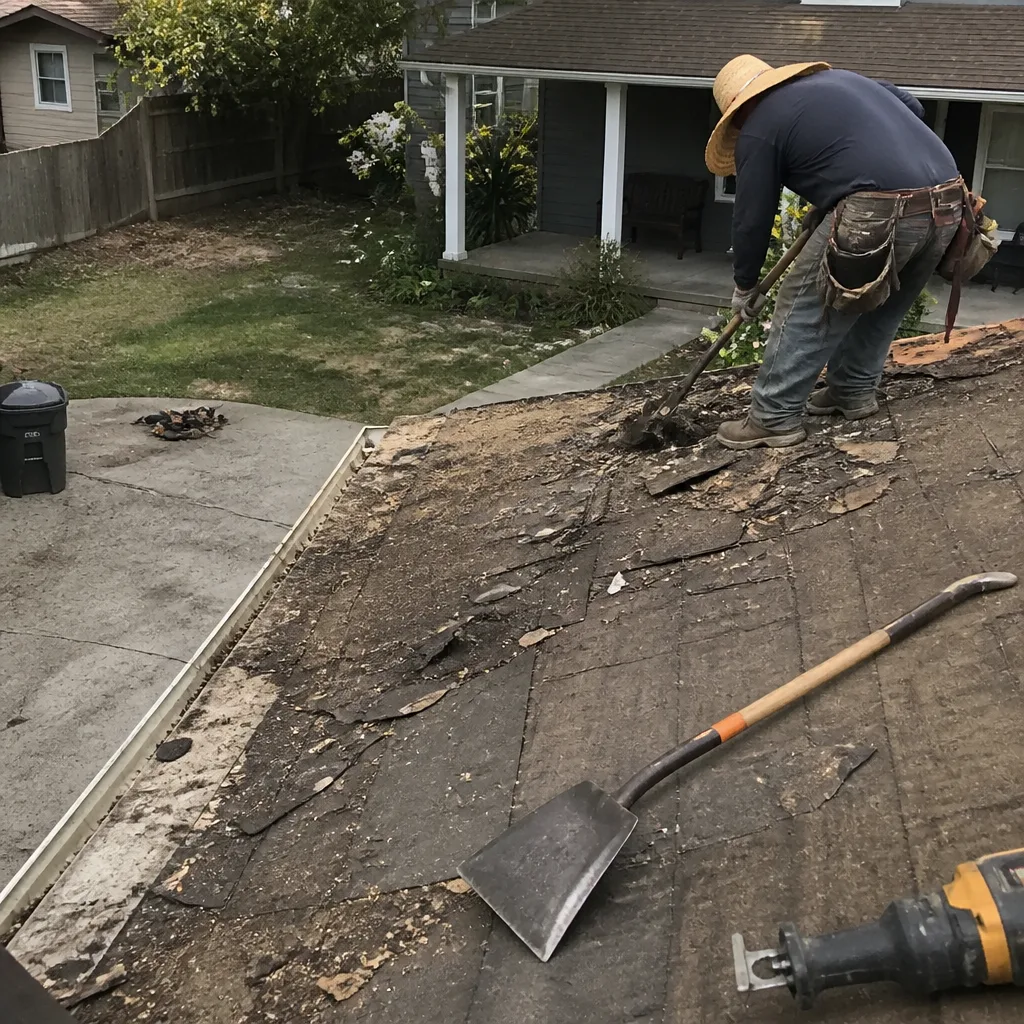 Before
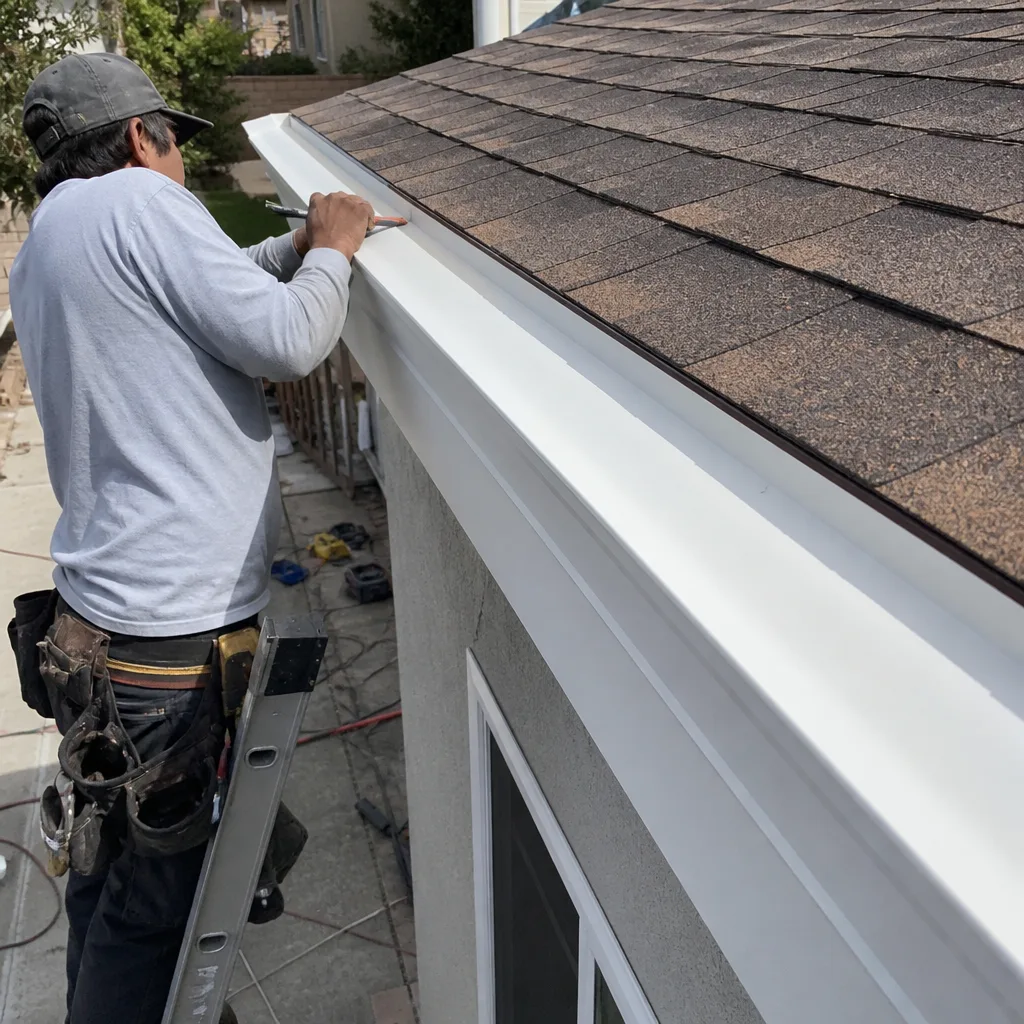 After
AfterReplacement Cost & What’s Included
For most San Diego homes, expect to pay between $450 and $1,200 for a Tamko underlayment repair that includes one to three sheets of decking replacement. Smaller jobs, like a single valley or pipe penetration repair, can run $300 to $500. Larger sections involving multiple valleys, skylights, or a full roof-side underlayment replacement typically land between $1,200 and $2,800. Here’s how that breaks down:
- Underlayment material (Tamko-compatible synthetic or felt): $40 – $90 per 100 square feet
- Decking replacement (plywood or OSB, per 4×8 sheet): $60 – $100 per sheet, installed
- Labor and fasteners, including tear-off of failed material: $250 – $700 depending on access and pitch
- Disposal of old material: $50 – $150
Every quote includes a written line-item price before any work starts. No change orders, no “we found more damage once we opened it up” surprises that double the bill. If we do find additional rot while the section is open, we show you photos, explain the scope, and get your written approval before proceeding. Every repair carries a written guarantee delivered on the spot, and if the repair fails within the guarantee period, we return at no charge under our 365-Day Done Right Promise.
DIY or Call Us?
You can safely check for visible underlayment damage from the ground: binoculars, a walk around the perimeter, and a quick attic inspection during daylight. Looking for water stains, daylight coming through cracks, and damp insulation gives you a useful picture before anyone climbs a ladder.
Beyond that, this is not a DIY repair. Replacing underlayment requires removing shingles, cutting out rotted decking, and working on a sloped surface with tools and fasteners. Falls from roofs are one of the most common causes of serious injury in home repair, and an improperly sealed underlayment patch will leak faster than the original failure did. If the decking is soft enough to feel from below, it’s soft enough to be dangerous underfoot. Give us a call at (619) 393-3877 and we’ll send a background-checked, uniformed technician to assess the damage and put the price in writing before any work begins.
FAQs
Tamko synthetic underlayments typically last 20 to 30 years under shingles in San Diego’s climate, while traditional felt lasts 15 to 20 years. Coastal homes and roofs with poor attic ventilation often see shorter lifespans, because trapped moisture degrades the material from underneath. If your roof is over 15 years old and you’re seeing leaks, the underlayment has likely reached the end of its useful life. Call (619) 393-3877 and we’ll assess what’s actually failing before recommending a repair or replacement scope.
Yes, isolated sections can usually be patched if the surrounding material is still sound. We cut back to solid decking, install new Tamko-compatible underlayment with proper overlap, and re-seal the seams. If rot has spread across multiple sheets or the existing underlayment is brittle throughout, a full section replacement saves money over repeated patch jobs. We’ll show you what we’re seeing and give you the price before work starts.
Most single-section repairs take half a day to a full day, including decking replacement and clean-up. Larger jobs covering a full roof side or multiple valleys can run two to three days. You’ll get a time window when you book, and the same crew that quoted the job is the crew that shows up.
We stock Tamko-compatible synthetic underlayment and felt on our trucks, along with GAF, Owens Corning, and CertainTeed materials. That means most repairs don’t wait on a supply-house run. If your roof uses a specialty Tamko product we don’t carry, we’ll have it ordered and scheduled within a few days and give you a firm date before we commit.
If you’ve got a Tamko underlayment or decking problem in San Diego, call (619) 393-3877. We’ll talk through what you’re seeing, schedule a visit, and hand you a written price before anyone touches a ladder. That’s how we work, whether it’s a bungalow near Balboa Park or a bigger place out in Santee. A live person answers every call, day or night.
Written by Greg Holloway, Owner, Tilehurst Roofing San Diego at Tilehurst Roofing San Diego, serving San Diego and nearby areas.