
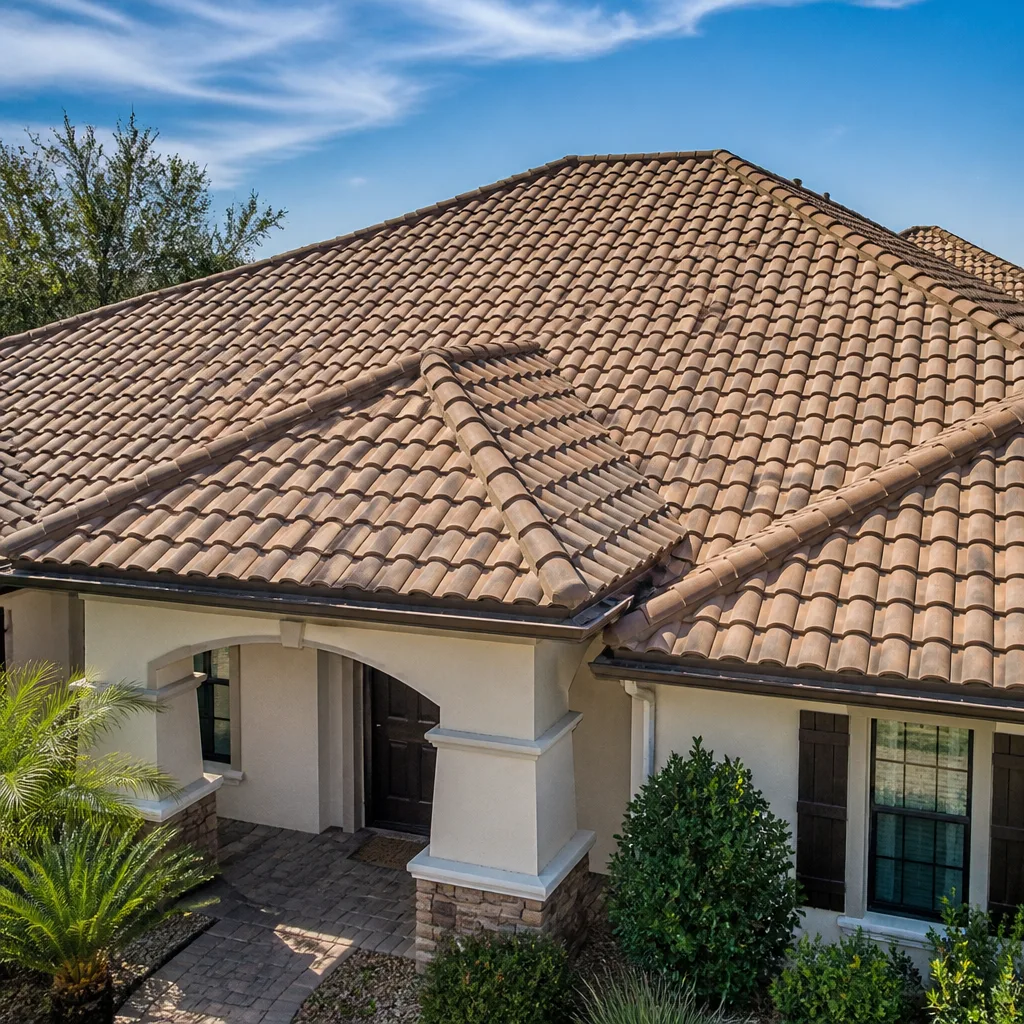
 Tile roofing
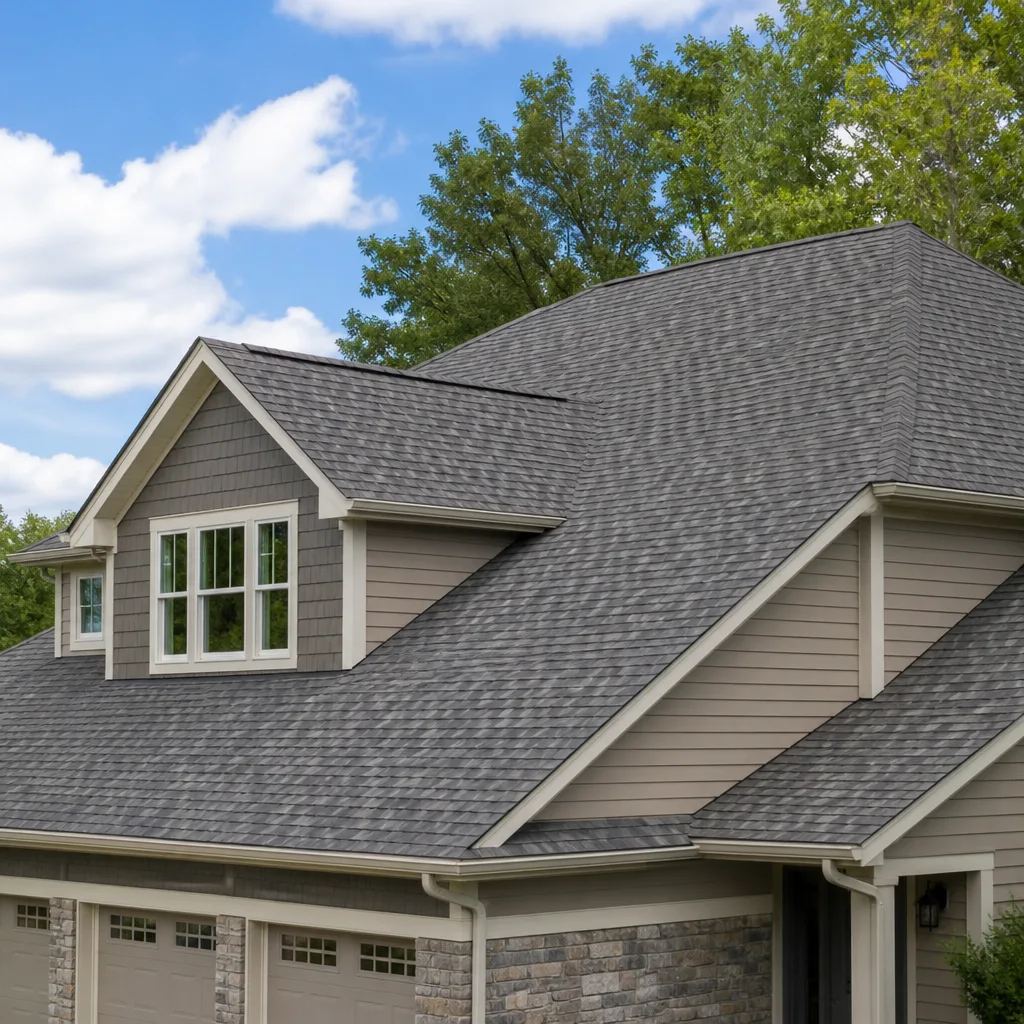
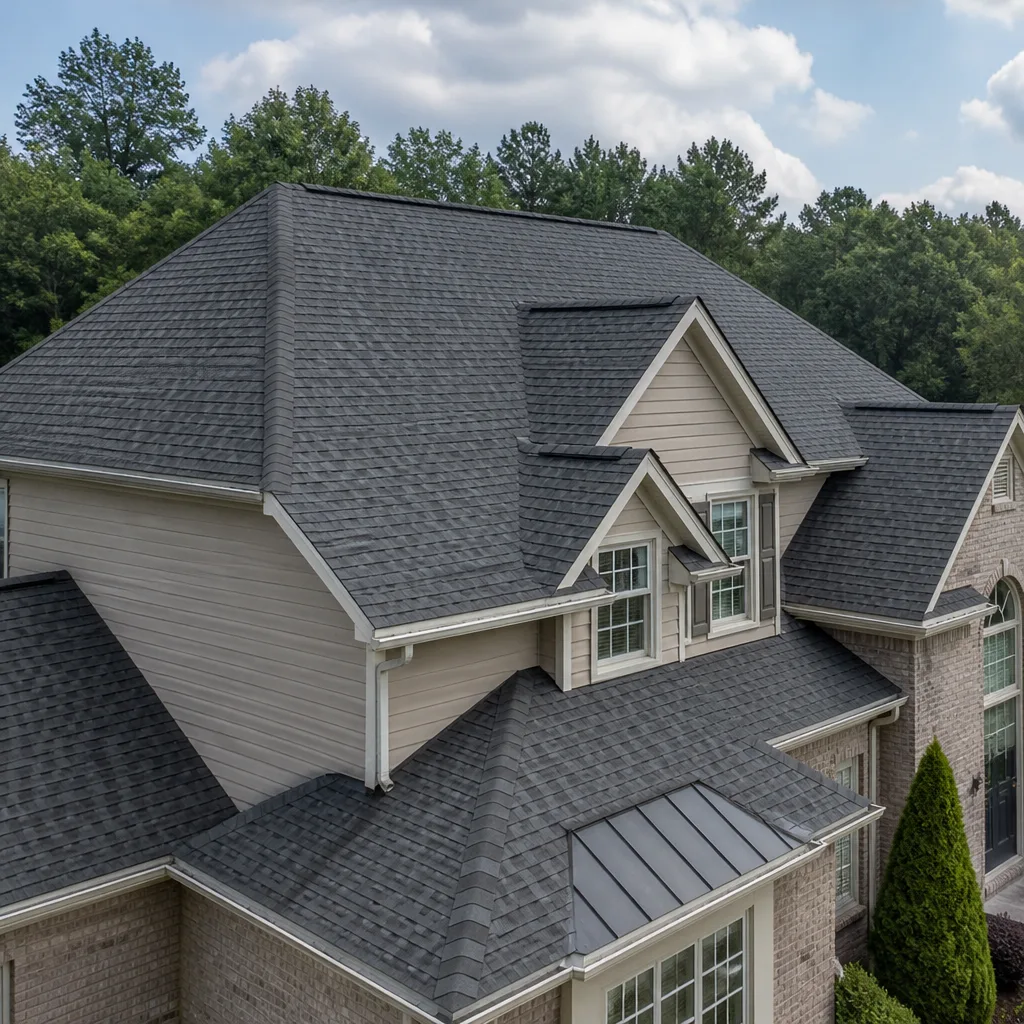 Architectural shingles
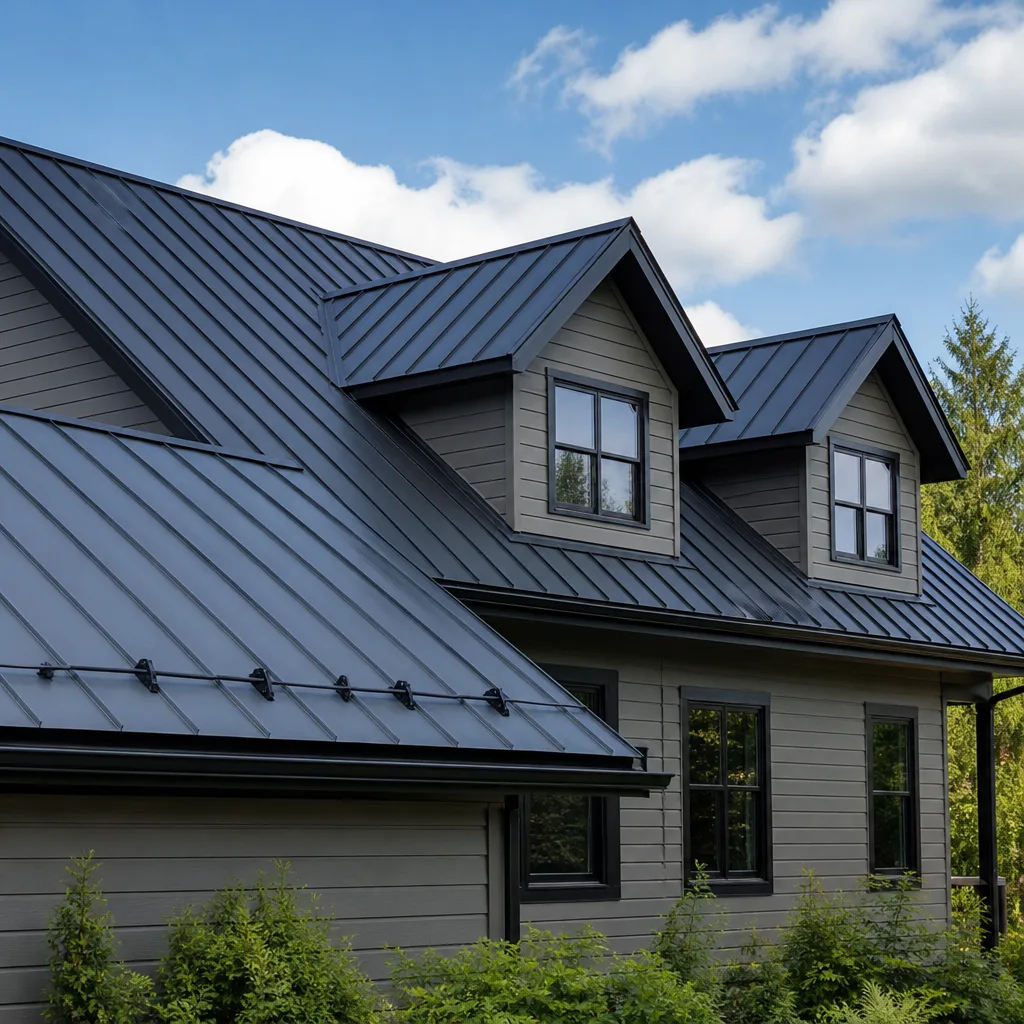 Metal roofing
 GAF
GAF Owens Corning
 Flat & low-slope
Free roof inspection with deck photos before we talk money - GAF and Owens Corning certified installation
Boral Flashing Replacement: The San Diego Owner’s Guide
Boral flashing replacement in San Diego typically runs $350 – $900 installed, depending on penetration count, roof pitch, and whether we’re swapping just the flashing or resetting surrounding tile. We stock Boral-compatible flashing profiles on our trucks, so most jobs are done in a single visit. You’ll usually discover the problem the same way: a water stain on the ceiling near a skylight, chimney, or wall intersection that shows up after the first real rain of the season. San Diego’s dry spells hide flashing failures for months, then the January storms expose them all at once.
Flashing is the metal, usually galvanized steel or aluminum, that bridges the gap where your Boral roof meets something vertical like a chimney, wall, or vent pipe. When it corrodes or pulls loose, water finds the seam and gets under the tile. Boral tile itself can last 50 years or more. The flashing rarely does. That’s the part that fails first, and replacing it before the underlayment rots saves thousands down the road.
Which Boral Models This Applies To
Boral’s tile lines share flashing requirements across most series, so the work applies whether you have Boral’s CedarLite shake profile, their Barcelona or Villa flat tile, or the heavyweight Mission S-tile. What varies is the riser height and the kick-out dimensions at wall intersections. We measure the tile profile on site before cutting flashing to match, because a flashing that’s too short gets overtopped by water, and one that’s too tall catches debris and looks wrong from the street.
For genuine Boral tile installed in the last 10 to 15 years, the original flashing was usually 26-gauge galvanized steel with a mill finish. In coastal San Diego neighborhoods like Ocean Beach or Point Loma, salt air shortens that lifespan to 12 to 18 years before pinholes appear. Inland areas like Santee or El Cajon get more life, but sun-baked expansion and contraction still pulls fasteners loose over time. We carry both OEM-spec galvanized and heavier 24-gauge aluminum options. Aluminum costs a bit more but handles coastal salt better, and for homes within two miles of the water, we recommend it.
Tilehurst Roofing San Diego is an independent service provider, not affiliated with Boral. That means we’re not locked into one parts source. If the OEM part is available and priced fairly, we use it. If a quality aftermarket profile does the same job at a better price, we’ll tell you and let you choose.
Styles & brands we work with
Signs Your Boral Flashing Replacement Is Failing
- Water stains on ceilings or walls near chimneys, skylights, or roof-to-wall intersections. This is the classic first sign. The flashing has separated from the wall or the tile, and water is running behind it. By the time the stain shows, the leak has been active through several rains.
- Visible rust or pinholes on exposed flashing metal. In San Diego’s coastal zones, galvanized flashing rusts from the salt air even when the roof tile looks fine. Pinholes let water through slowly, and the damage underneath compounds every season.
- Lifted or curling flashing edges at wall junctions. Thermal expansion works the fasteners loose over a decade or more. Once the metal lifts even a quarter inch, wind-driven rain gets underneath, and the flashing stops doing its job.
- Crumbling or missing mortar at the flashing-to-wall seam. Many Boral installations use a mortar cap over the flashing at the wall line. When that mortar cracks and falls out, the flashing is exposed and the seal is broken.
- Granules or debris accumulating at the bottom of the flashing run. When flashing shifts, it creates a small shelf where roof debris collects. That debris holds moisture against the metal, accelerating rust, which makes the problem worse. A debris line is a sign the flashing has been failing quietly for a while.
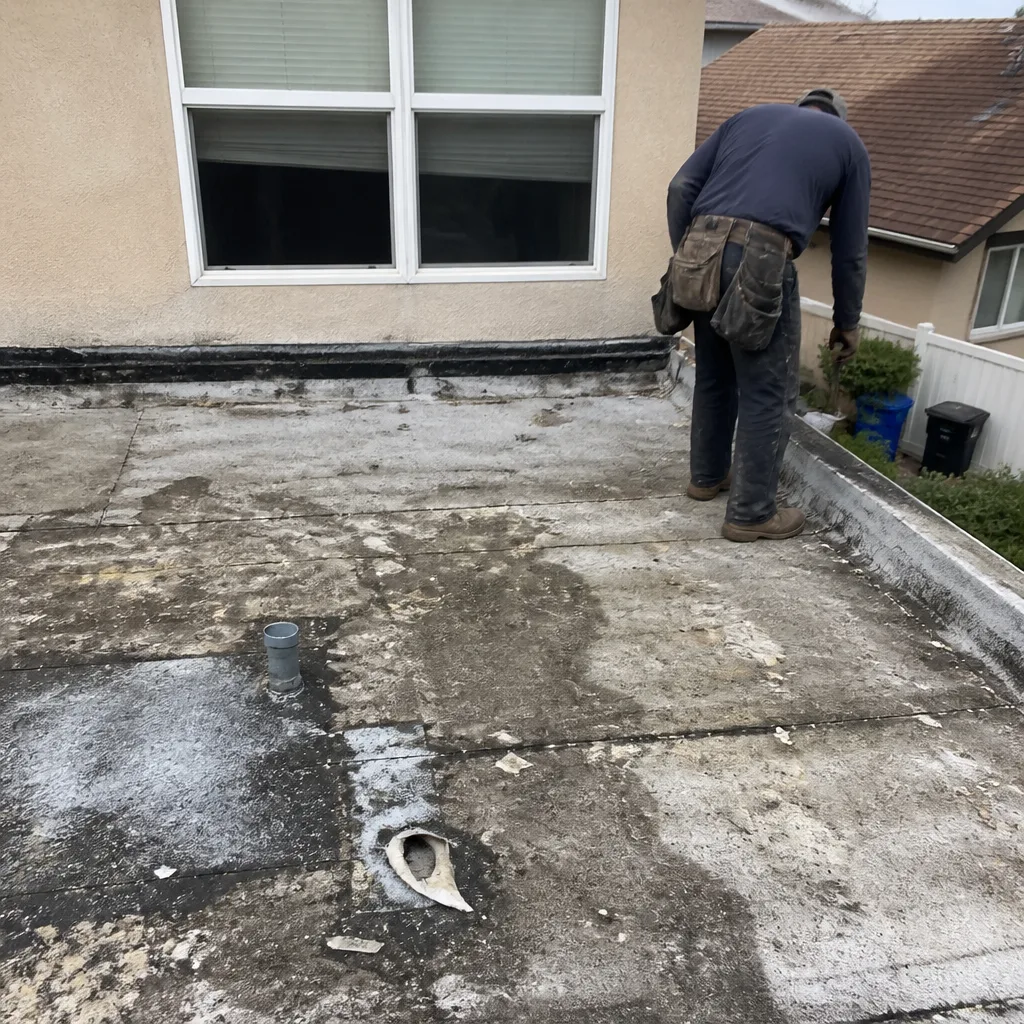
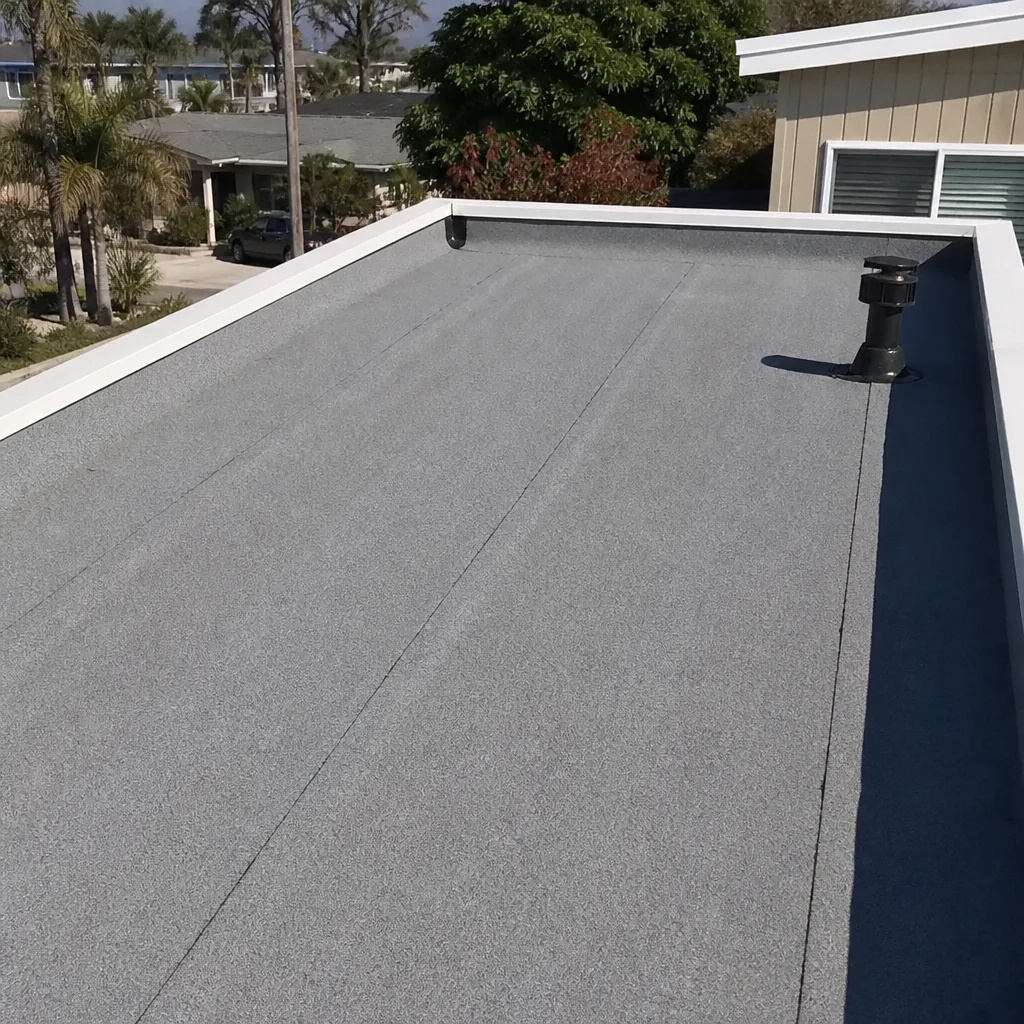
See the difference
 Before
 After
After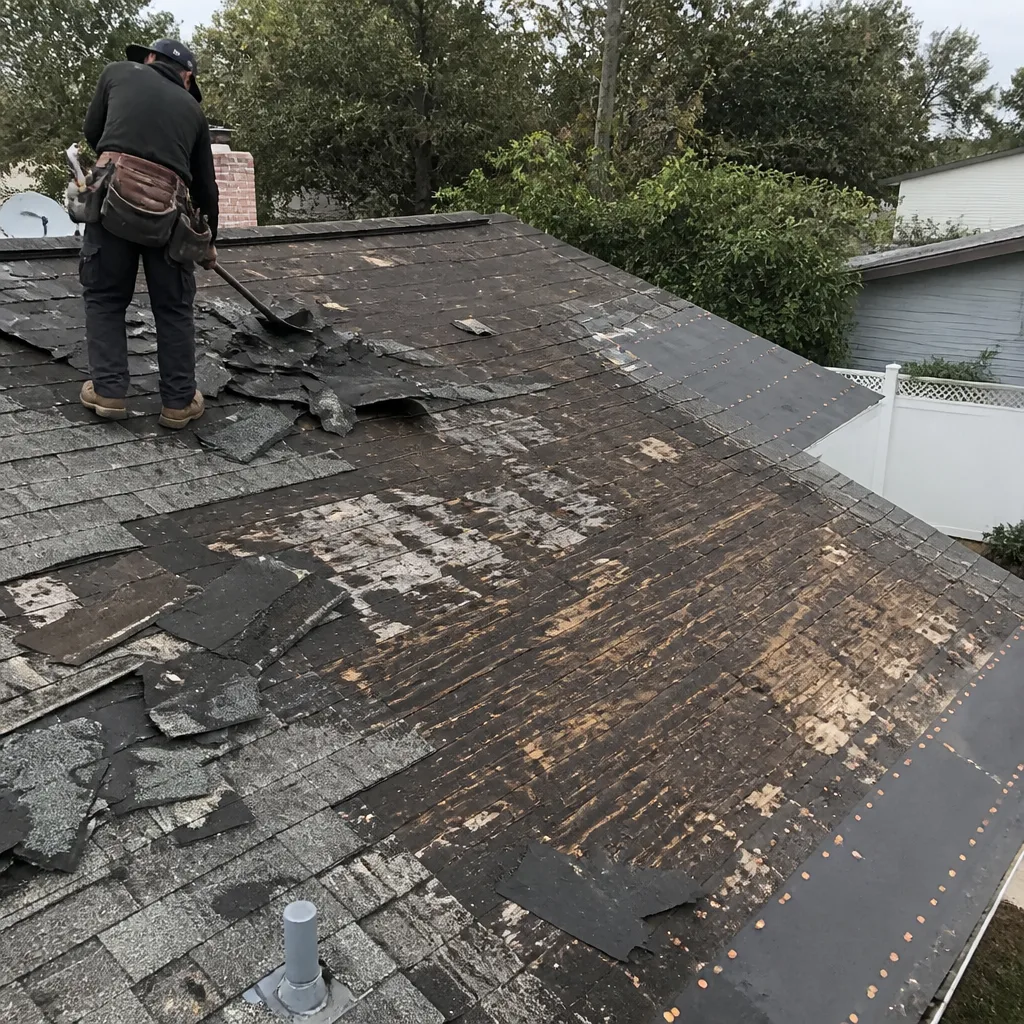 Before
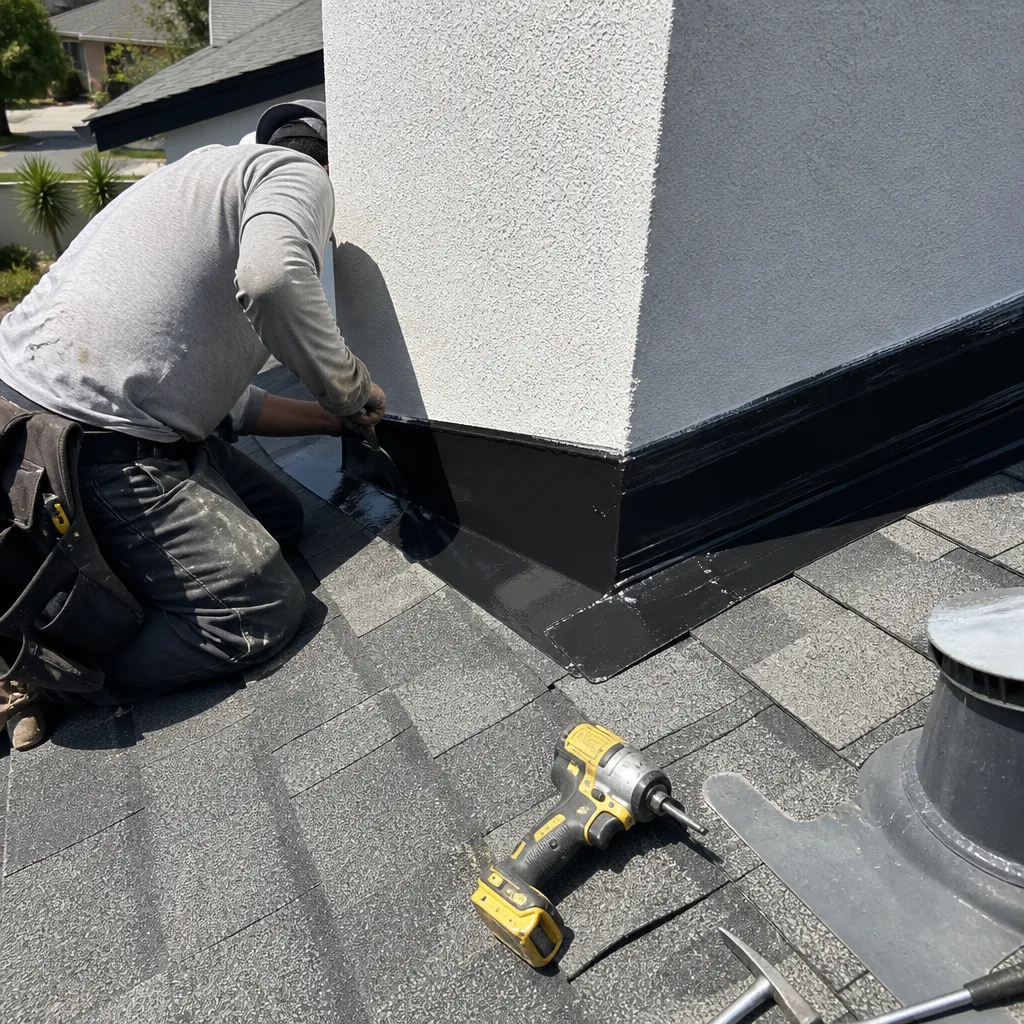 After
After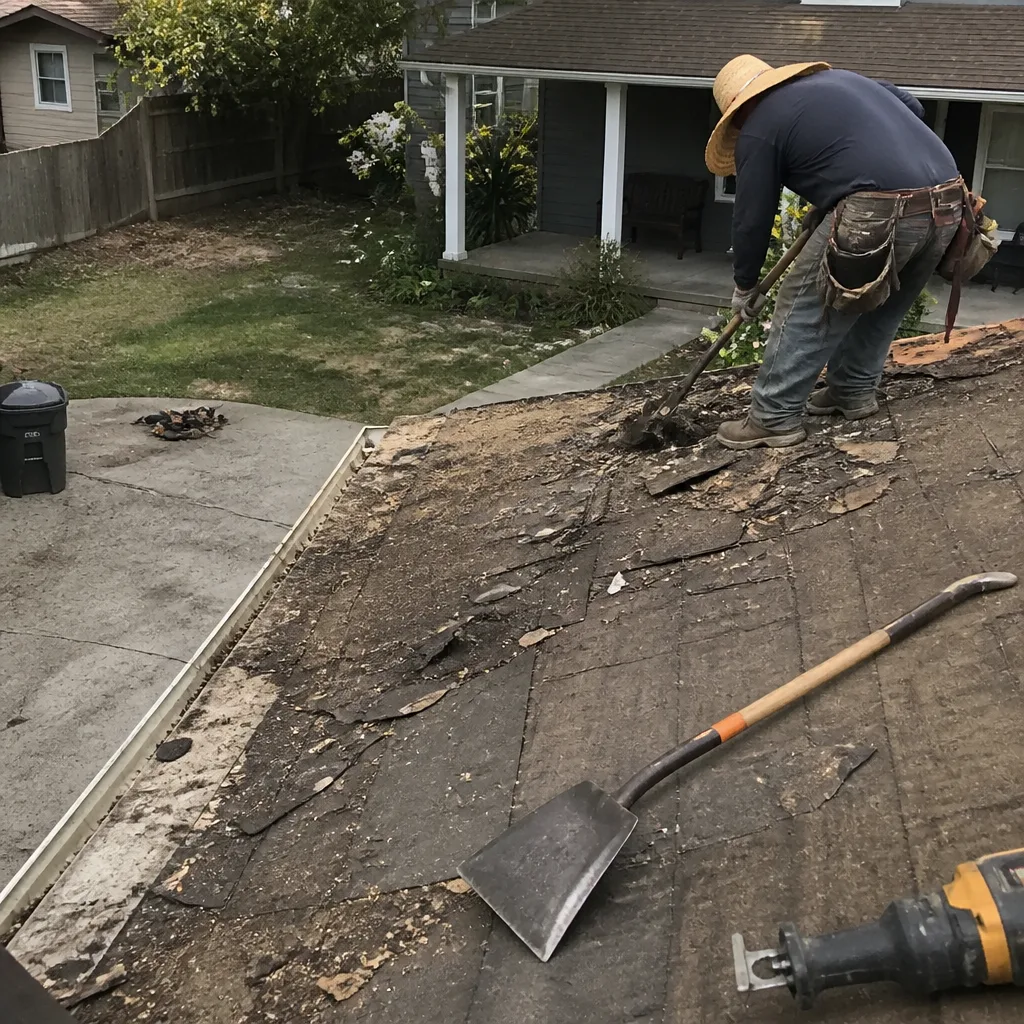 Before
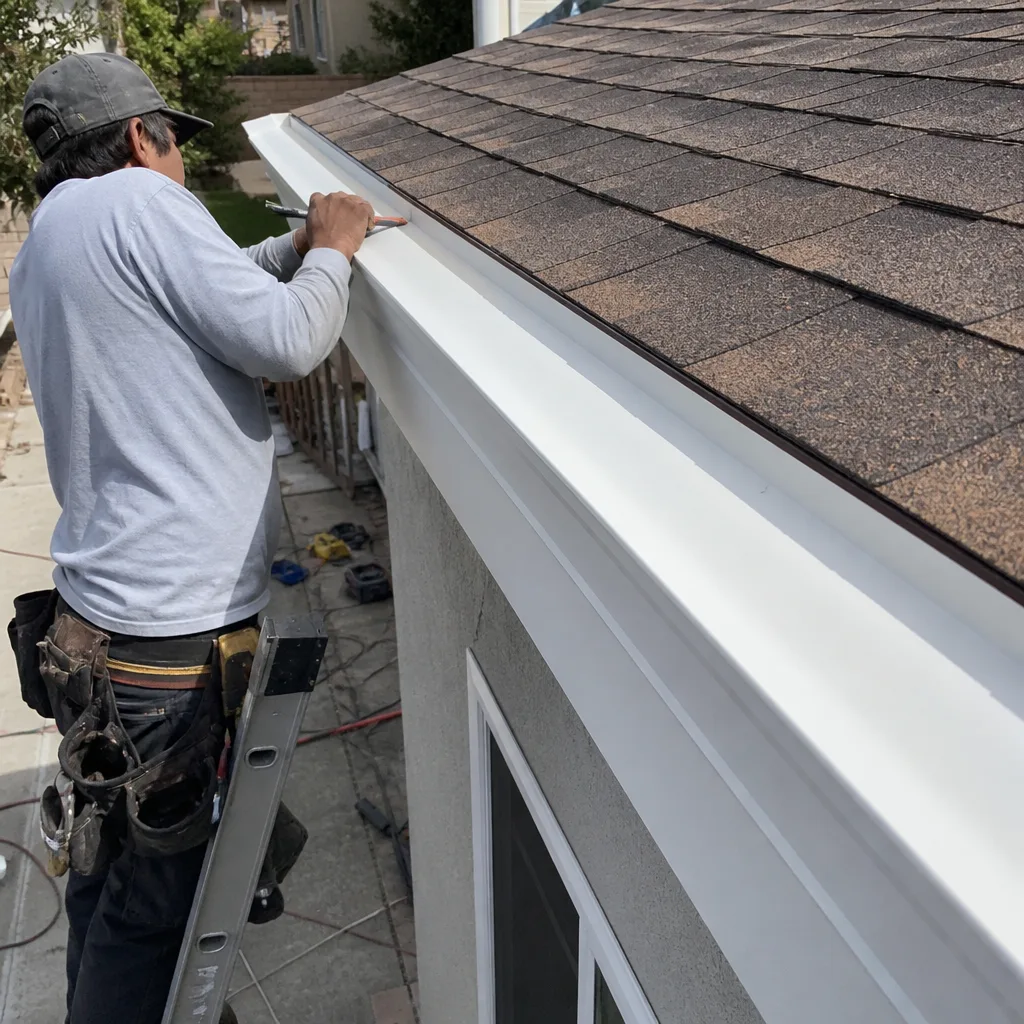 After
AfterReplacement Cost & What’s Included
Here’s what Boral flashing replacement costs in San Diego, based on what we’ve quoted and installed:
| Job Type | Installed Price Range |
|---|---|
| Single vent pipe flashing (Boral-compatible) | $350 – $500 |
| Skylight flashing, one unit | $450 – $700 |
| Chimney flashing, standard residential | $550 – $900 |
| Wall-intersection flashing, per linear section | $400 – $750 |
The range depends on roof pitch, access, and how many tiles need to be lifted and reset to reach the flashing. If the underlayment beneath the flashing has rotted, that adds material and labor. You’ll know the price before we touch your roof. Every quote is written, line-itemed, and handed to you before the first tile comes up. The work carries our written guarantee, and if anything we fixed fails inside the guarantee period, we come back at no charge under the 365-Day Done Right Promise.
DIY or Call Us?
You can safely check a few things yourself. From the ground with binoculars, look for visible rust, lifted metal, or missing mortar at the flashing lines. Inside, note where the stains are and whether they grow after rain. That’s useful information and helps us quote accurately over the phone.
What we don’t recommend is walking a tile roof to reseal flashing. Tile is brittle, the pitch on many San Diego homes is steep enough to be genuinely dangerous, and a cracked tile from a misstep doubles the repair bill. Lifting tile around a chimney or skylight to access flashing also means removing and reinstalling fasteners correctly, and doing that wrong voids the warranty on the rest of the roof system. Flashing is cheap insurance, but the labor and access are not a Saturday project. Call (619) 393-3877 and we’ll have a live person answer, give you a real price range, and schedule a visit.
FAQs
Expect 12 to 20 years depending on location. Coastal homes in Point Loma, Ocean Beach, and La Jolla get the shorter end because salt air accelerates rust. Inland areas like Santee and El Cajon see longer service life, but thermal expansion from hot summers still loosens fasteners and breaks seals over time. If your home is within two miles of the ocean, we recommend aluminum flashing, which holds up significantly better in salt air. Call (619) 393-3877 if you want us to check the condition on your roof.
Sometimes. A loose fastener or a small separation can often be resecured and sealed as a repair rather than a full replacement. But if the metal shows rust-through, pinholes, or has lifted so far that water has been getting underneath, replacement is the honest fix. We’ll show you what we’re seeing and write the quote either way. Repairs get the same written guarantee as full replacements, and the price is in your hands before work starts.
Most flashing replacements take one visit, usually half a day to a full day. It depends on how many tiles need lifting and resetting and whether the underlayment below needs repair. We’ll give you a window when we schedule, and we show up in it. Greg Holloway runs the crew with a simple rule: if the job takes longer than quoted, you hear it from us before you discover it yourself.
We stock standard Boral-compatible flashing profiles and common sizes on our trucks, so most jobs are done same-visit. Unusual configurations or custom wall-intersection lengths may need a sheet-metal order, which adds a few days. We tell you before we schedule and the quote reflects the real lead time. If you need a cement tile matched, we work with Boral, GAF, Owens Corning, and CertainTeed profiles to keep your roof consistent. Call (619) 393-3877 for availability on your exact setup.
Written by Greg Holloway, Owner, Tilehurst Roofing San Diego at Tilehurst Roofing San Diego, serving San Diego and nearby areas.