
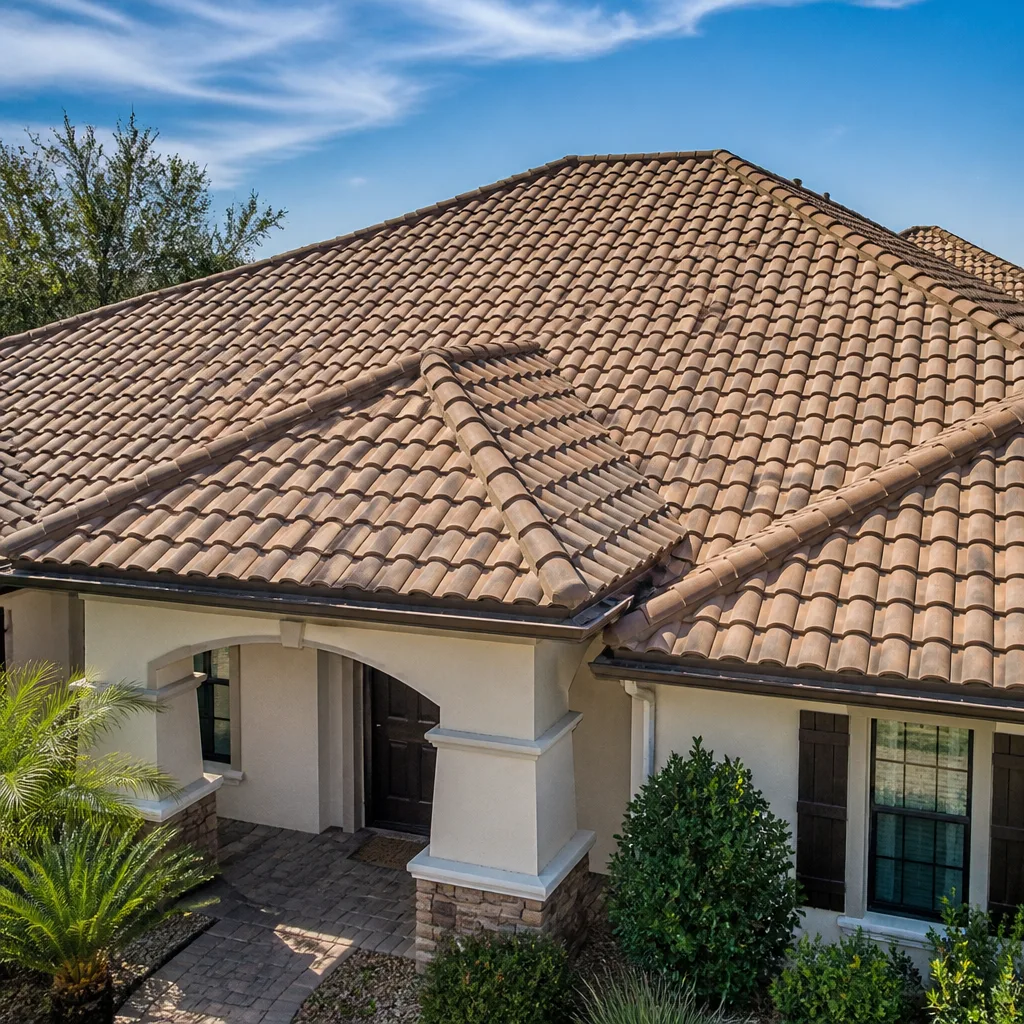
 Tile roofing
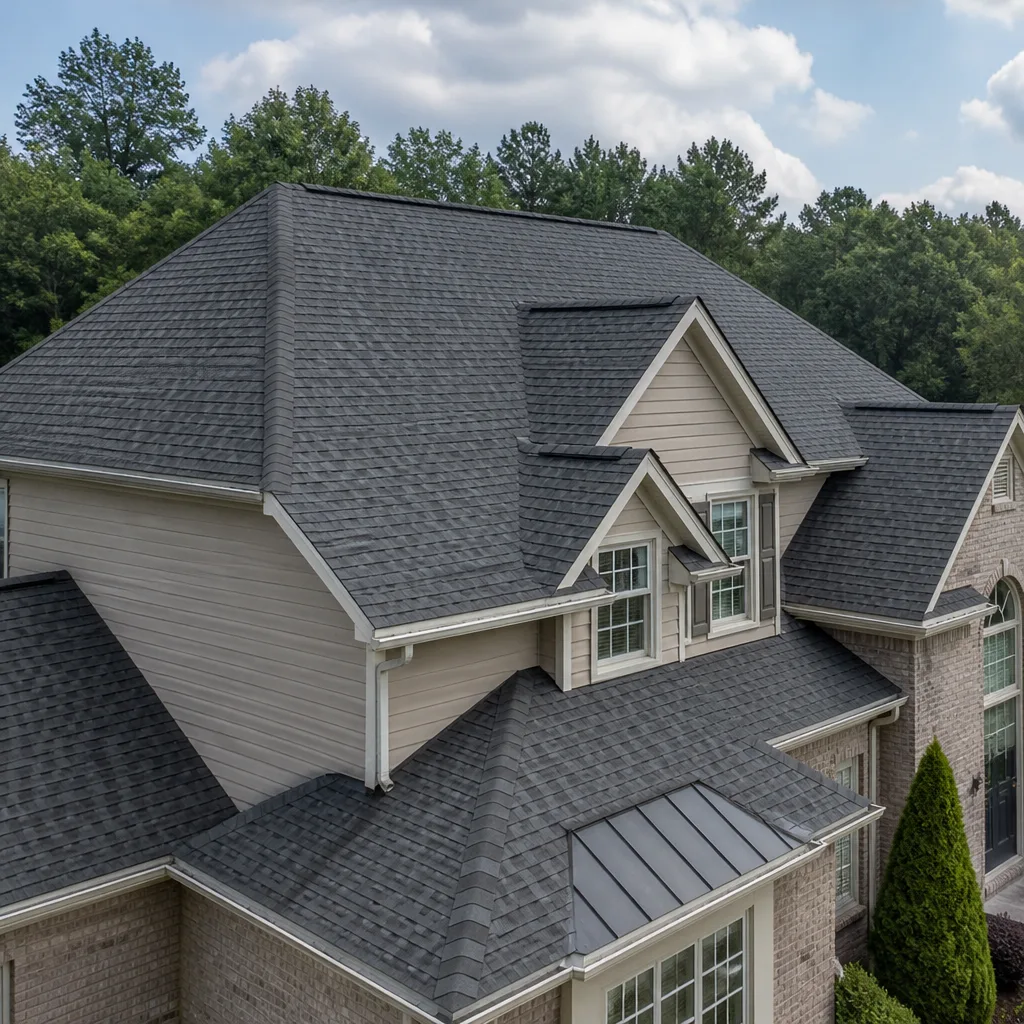 Architectural shingles
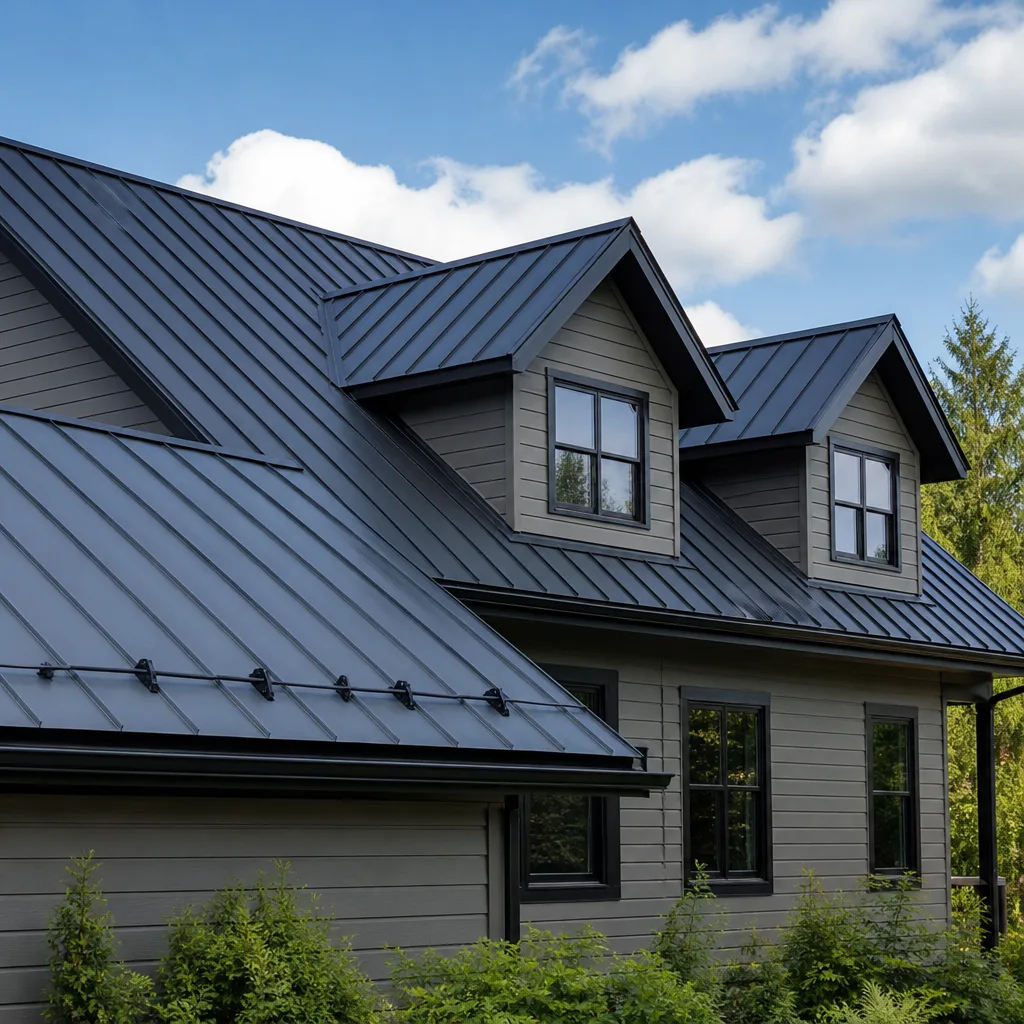 Metal roofing
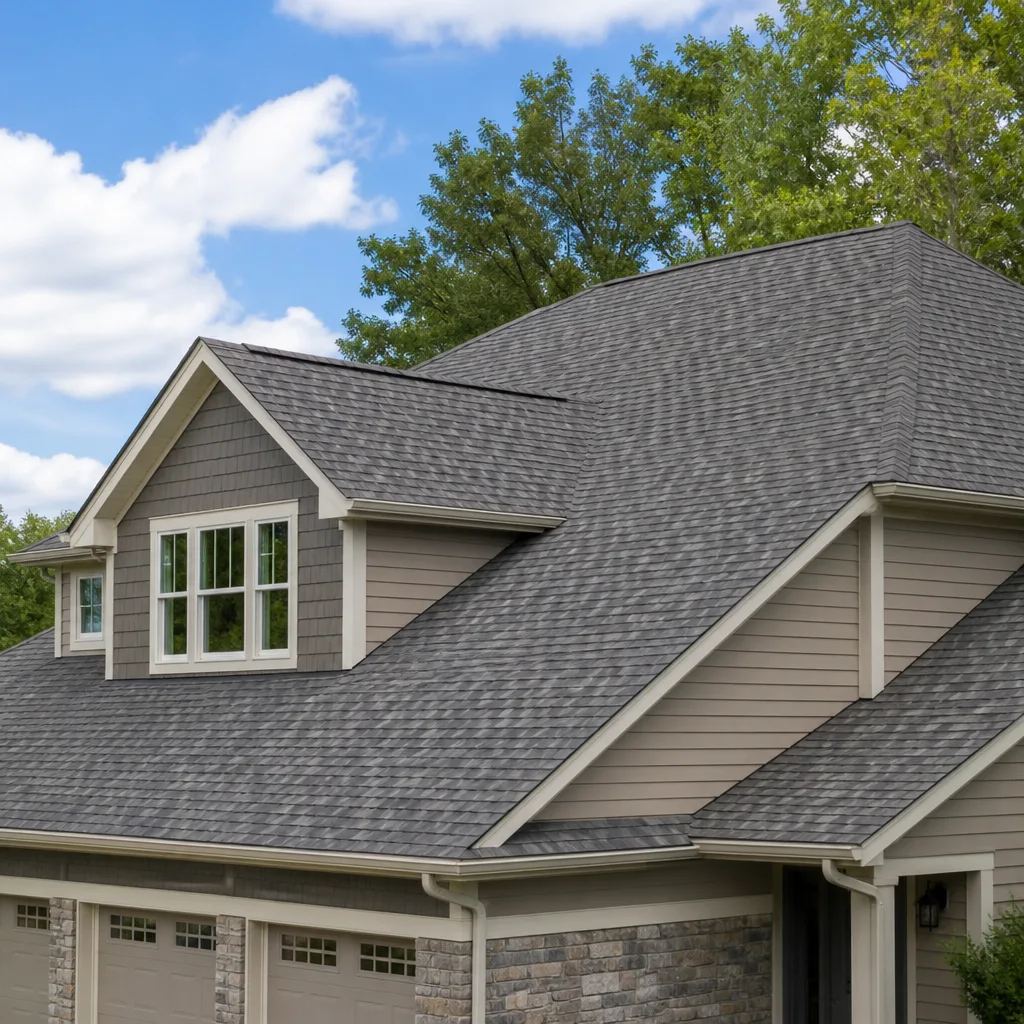 GAF
GAF Owens Corning
 Flat & low-slope
Free roof inspection with deck photos before we talk money - GAF and Owens Corning certified installation
Tamko Ridge Vent Installation: The San Diego Owner’s Guide
Tamko ridge vent installation in San Diego typically runs $14 to $22 per linear foot installed, which puts most single-family homes between $650 and $1,400 depending on ridge length and roof access. We stock Tamko-compatible ridge vent on our trucks and can usually complete the swap the same week we inspect the roof. Most homeowners discover the problem when they climb into the attic on a warm day and feel heat that should not be there, or when they notice shingle granules collecting in gutters near the ridge line.
Ridge vents earn their keep in San Diego by pulling hot air out of the attic, but they live a hard life up there. Direct sun exposure year-round, salt air near the coast, and the occasional Santa Ana wind event all take their toll on the plastic or mesh baffle material. When a ridge vent fails, your attic temperature climbs, your cooling bills climb with it, and moisture that should have escaped gets trapped instead.
Which Tamko Models This Applies To
Tamko makes two ridge vent products you are most likely to find on a San Diego roof: the Tamko Shingle-Over Ridge Vent (also sold as Tamco’s Metal-Edge Ridge Vent) and the Tamko Rapid Ridge Shingle-Over Vent. Both are shingle-over designs, meaning the ridge cap shingles install directly on top of the vent material, which keeps the profile low and clean.
The Shingle-Over Ridge Vent ships in 4-foot sections and is built around an internal baffle system that lets air pass while keeping wind-driven rain and embers out. The Rapid Ridge, which is common on newer roofs from the last five or six years, uses a denser mesh matrix and comes pre-formed for faster installation. One compatibility gotcha we run into regularly in San Diego: the two Tamko vent profiles do not mix well on the same ridge. If one section of an older vent is damaged, you cannot patch it with a piece of Rapid Ridge and expect a clean match. The profile heights differ by about three-eighths of an inch, which causes a visible hump under the cap shingles.
To identify which Tamko vent is on your roof, look for markings on the open ridge opening from inside the attic, or have us check. We can match most existing Tamko ridge vents by profile, not just by brand name, because mixing brands on a ridge line is how you end up with an uneven cap that traps water.
OEM Tamko vent sections are our default for matching an existing run, but there are solid aftermarket equivalents we use for full replacements, including products from GAF, Owens Corning, and CertainTeed. The main decision for a Tamko roof is whether the existing vent profile warrants OEM matching or whether replacing the full run with a same-profile aftermarket vent makes more sense. We will show you the price difference for both options before any work starts.
Styles & brands we work with
Signs Your Tamko Ridge Vent Installation Is Failing
- Attic temperature climbs noticeably in summer. A working Tamko ridge vent keeps attic air moving. When the baffle collapses or the vent opening gets blocked, heat stagnates and you will feel it through the ceiling below. The underlying cause is usually sun-baked plastic that has warped or cracked after years of direct exposure.
- Peeling or blistered ridge cap shingles. Trapped heat rises to the highest point in the attic, which is exactly where your ridge cap shingles sit. When the vent below stops moving air, those cap shingles bake from underneath and fail faster than the rest of the roof.
- Granule buildup in gutters near the roof peaks. Ridge cap shingles shed granules as they overheat, just like any shingle under stress. Granule loss concentrated at the ridge line, not spread evenly across the gutter, points to a vent problem rather than normal shingle wear.
- Daylight visible through the ridge opening from inside the attic. On most shingle-over ridge vent installations, you should see a narrow gap where the peak sheathing was cut back. If that gap is wider than about two inches or the vent material has pulled away, the vent is no longer doing its job and is starting to let weather in.
- Water staining on attic insulation near the ridge, or on the ceiling below. A failed ridge vent passes wind-driven rain sideways into the attic during San Diego’s winter storms, and that water runs downhill along rafters and trusses. You will notice staining on insulation first, then on the drywall below. The vent baffle may look fine from outside while water is getting past it.
See the difference
 Before
 After
After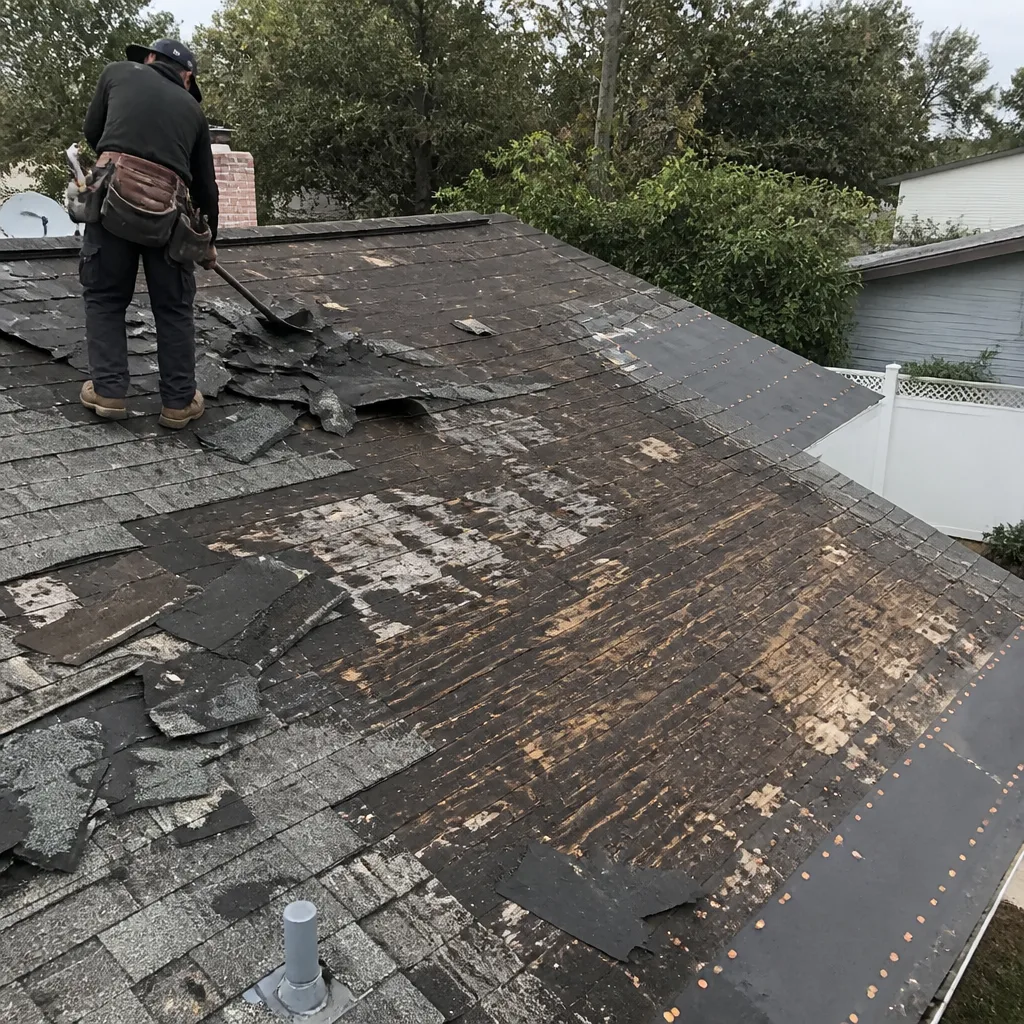 Before
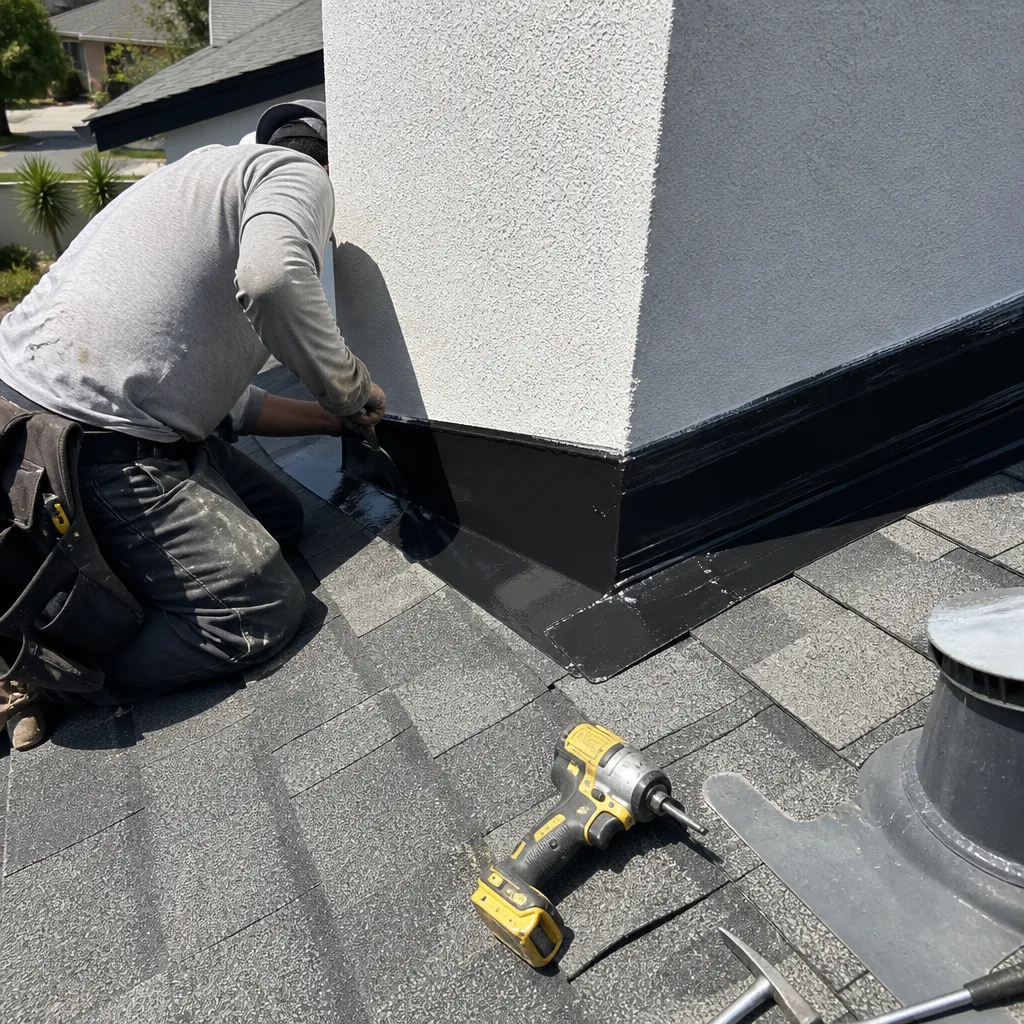 After
After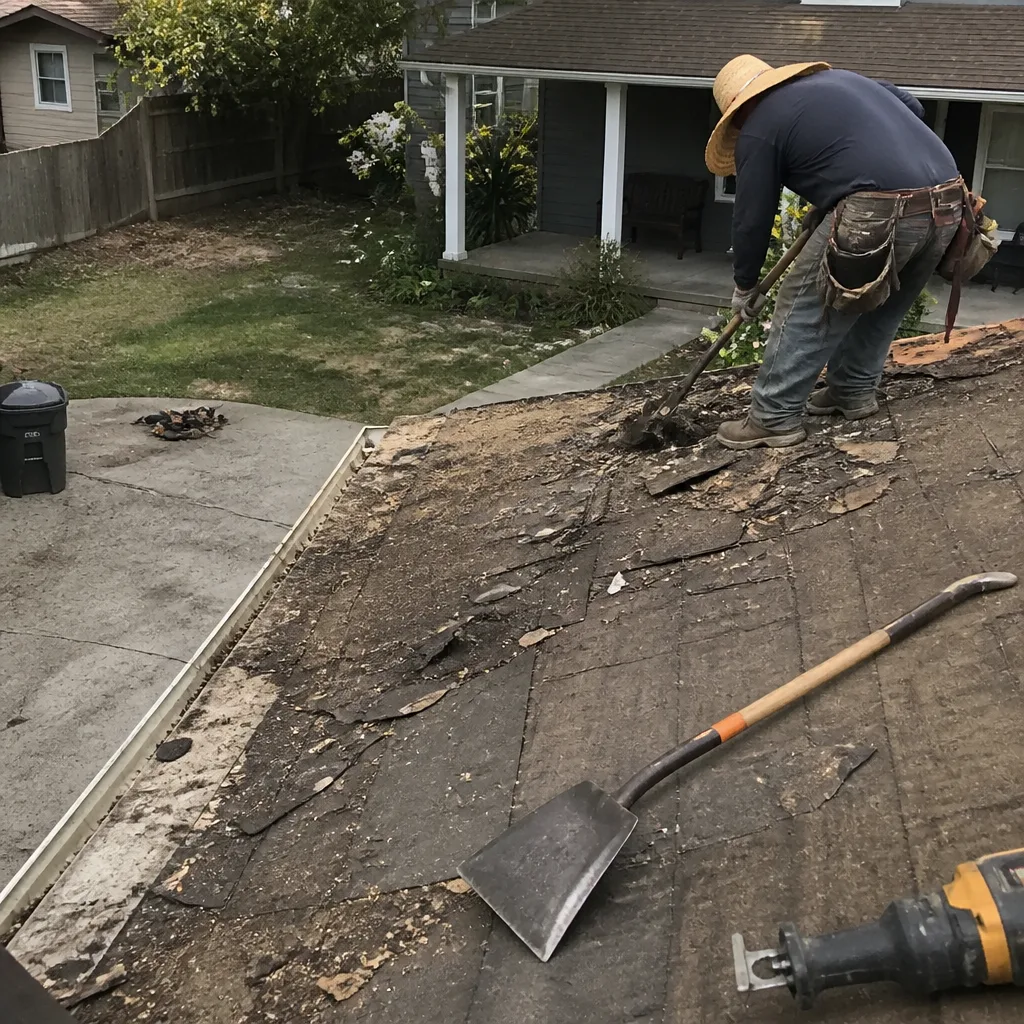 Before
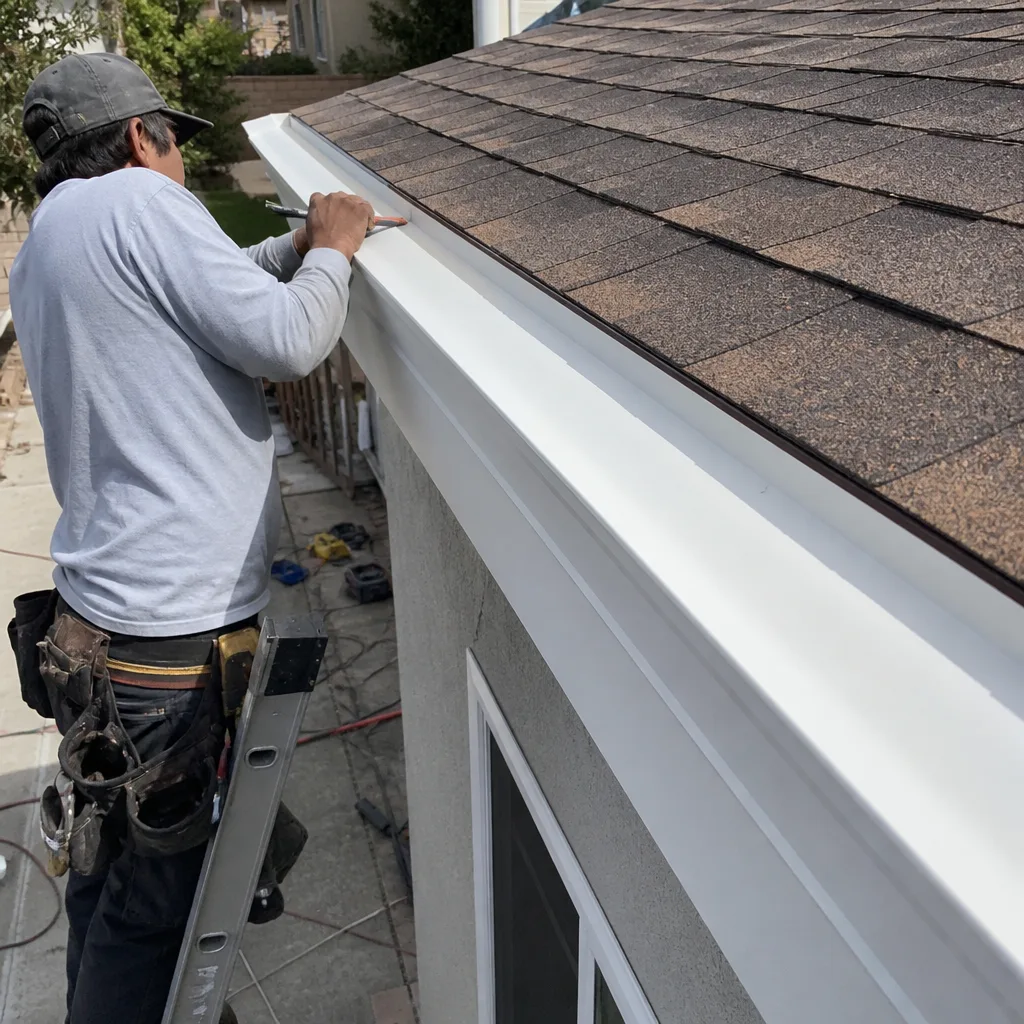 After
AfterReplacement Cost & What’s Included
In San Diego, a full Tamko-compatible ridge vent replacement for a typical 1,800 to 2,400 square foot single-story home costs between $650 and $1,400 installed. If you only need a partial repair, a 20-foot section of ridge vent falls between $280 and $450 installed, assuming the existing vent profile can be matched cleanly.
What moves the price within that range: ridge length measured in linear feet, whether it is a one-story or two-story roof (height affects labor and safety setup), roof pitch, and whether we are matching an existing vent profile or replacing the full run. Parts account for roughly a third of the total, labor for about two-thirds, and we will show you the split in the written quote before we touch a ladder.
Here is the line-item breakdown we give every San Diego client:
- Ridge vent material (Tamko-compatible): $4 to $7 per linear foot
- Labor, safety setup, and cap replacement: $8 to $12 per linear foot
- Cap shingle removal and replacement (if needed): $2 to $4 per linear foot
- Attic-side inspection and air sealing around existing penetrations: $95 to $150 flat
Every ridge vent replacement comes with our written guarantee before the crew leaves: if the repair fails inside the guarantee period, we return at no charge under our 365-Day Done Right Promise. You will also know the price before we touch your roof.
DIY or Call Us?
Ridge vent replacement sits on the roof peak, which means you are working at the highest, most exposed point on the structure. For experienced roofers, it is a routine job. For a homeowner on a ladder with a drill and a box of nails, it is a fall risk. We recommend homeowners leave anything above the ladder line to a trained professional, especially two-story homes where ridge work requires fall protection and a second set of hands.
What you can safely do yourself: check your attic for daylight gaps, note the attic temperature on a hot afternoon, and clear gutters so drainage stays working. That is real information we can use on the inspection. We will come out, confirm which Tamko ridge vent you have, match the profile correctly, and give you the installed price in writing before any work starts. If you are standing in a hot attic wondering what to do next, call (619) 393-3877 and we will walk you through it.
FAQs
In San Diego’s climate, a Tamko ridge vent typically lasts 10 to 15 years. The plastic or mesh baffle degrades faster here than in many cooler climates because of year-round UV exposure and salt air within a few miles of the coast. Make this the one roofing part you check annually from the attic side while inspecting for rodents and moisture.
Yes, if the damage is limited to a small section and we can still source a matching profile, a 4- or 8-foot patch is a legitimate repair. If the damage spans more than a third of the ridge or the material is brittle across the full run, replacement is the honest recommendation. We will show you what we are seeing and give you both prices before you choose.
Most single-story ridge vent replacements in San Diego take four to six hours, including cap shingle reinstallation and cleanup. Two-story homes may stretch into a full day because of ladder work and staging. You will have a written schedule before we start.
We stock Tamko-compatible ridge vent sections on our trucks, including profile matches for the Tamko Shingle-Over Ridge Vent and Rapid Ridge. If an unusual profile requires special ordering, we will tell you that during the estimate visit and give you the exact lead time. We also have GAF, Owens Corning, and CertainTeed ridge vent options in stock for full replacements where a different brand is a better fit.
If your Tamko ridge vent is no longer doing its job in the San Diego heat, we are the team to call. We will inspect the full ridge line, confirm the part you need, and put a written price in your hands before any work begins. Call (619) 393-3877 to schedule your free estimate, and you will know the price before we touch your roof.
Written by Greg Holloway, Owner, Tilehurst Roofing San Diego, serving San Diego and nearby areas.