
Last updated October 17, 2026
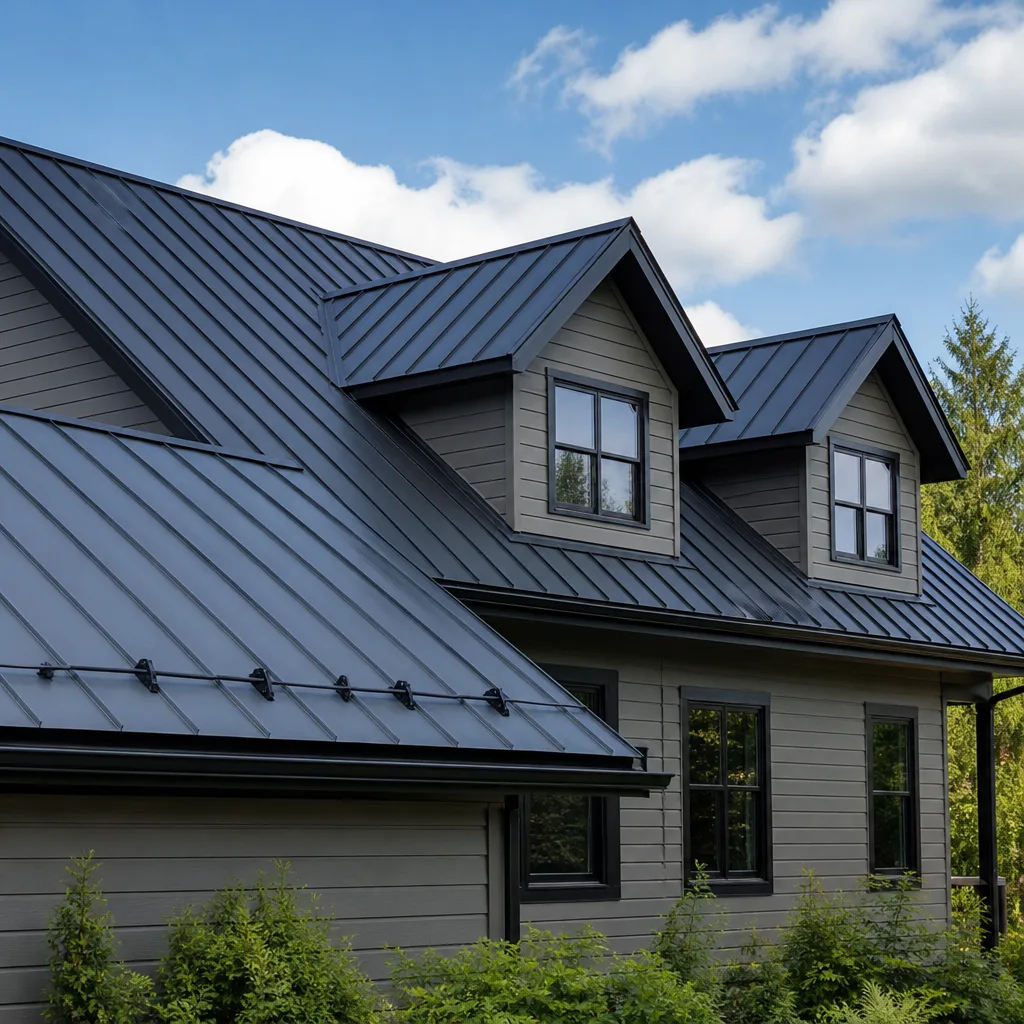 Metal roofing
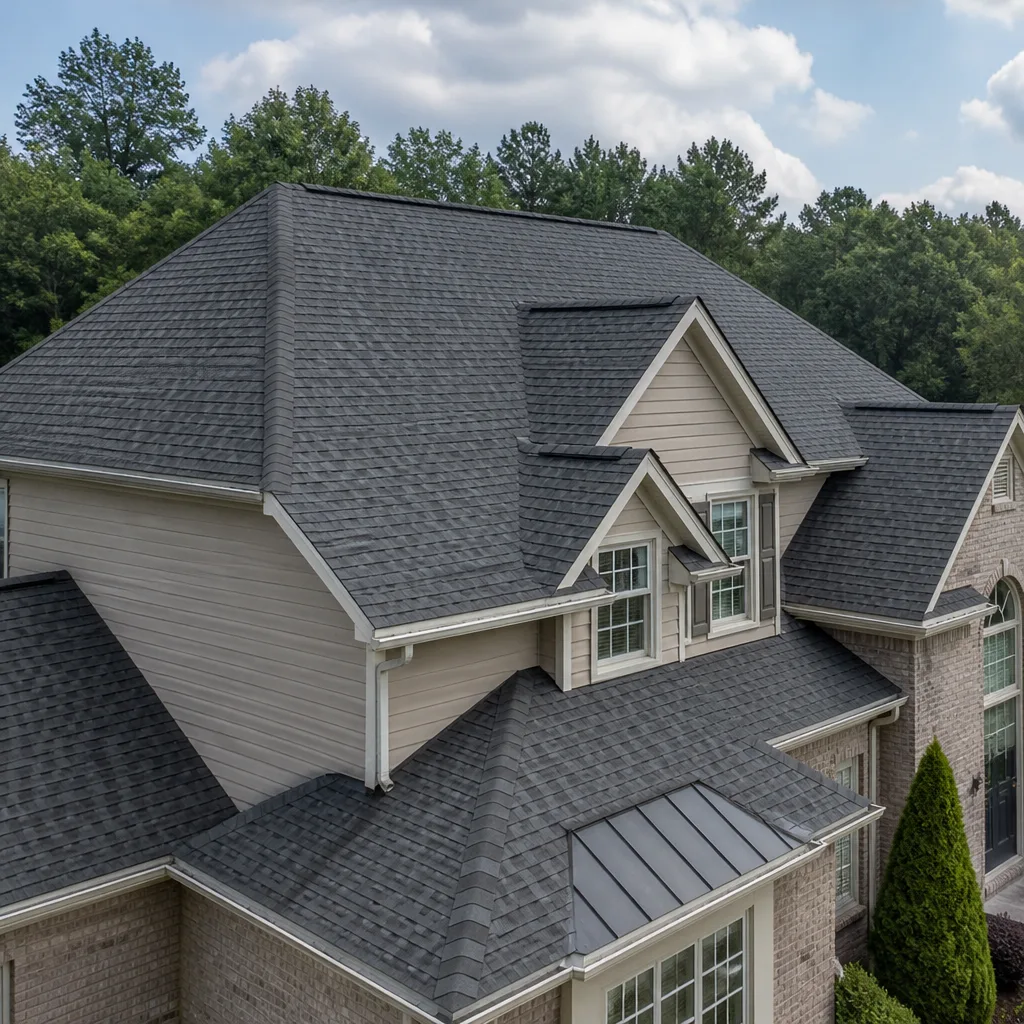 Architectural shingles
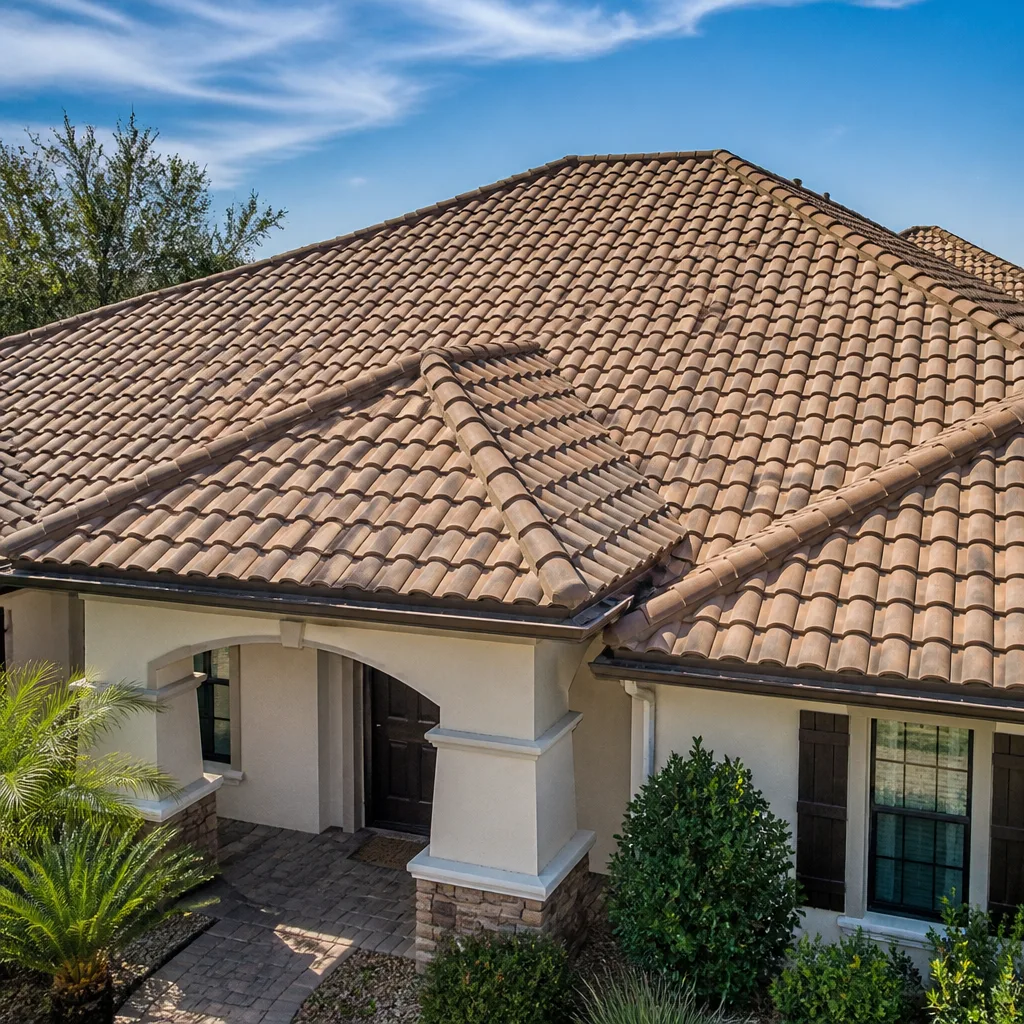 Tile roofing
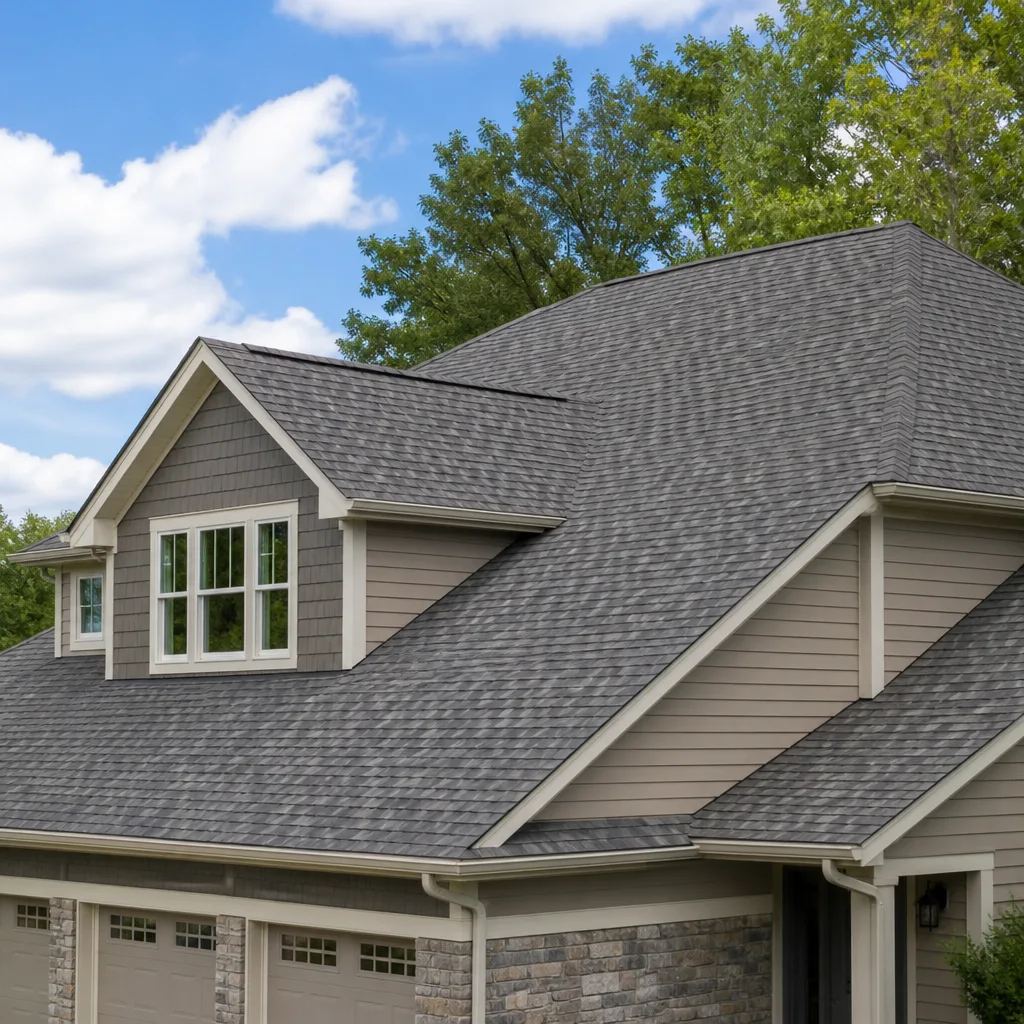 GAF
GAF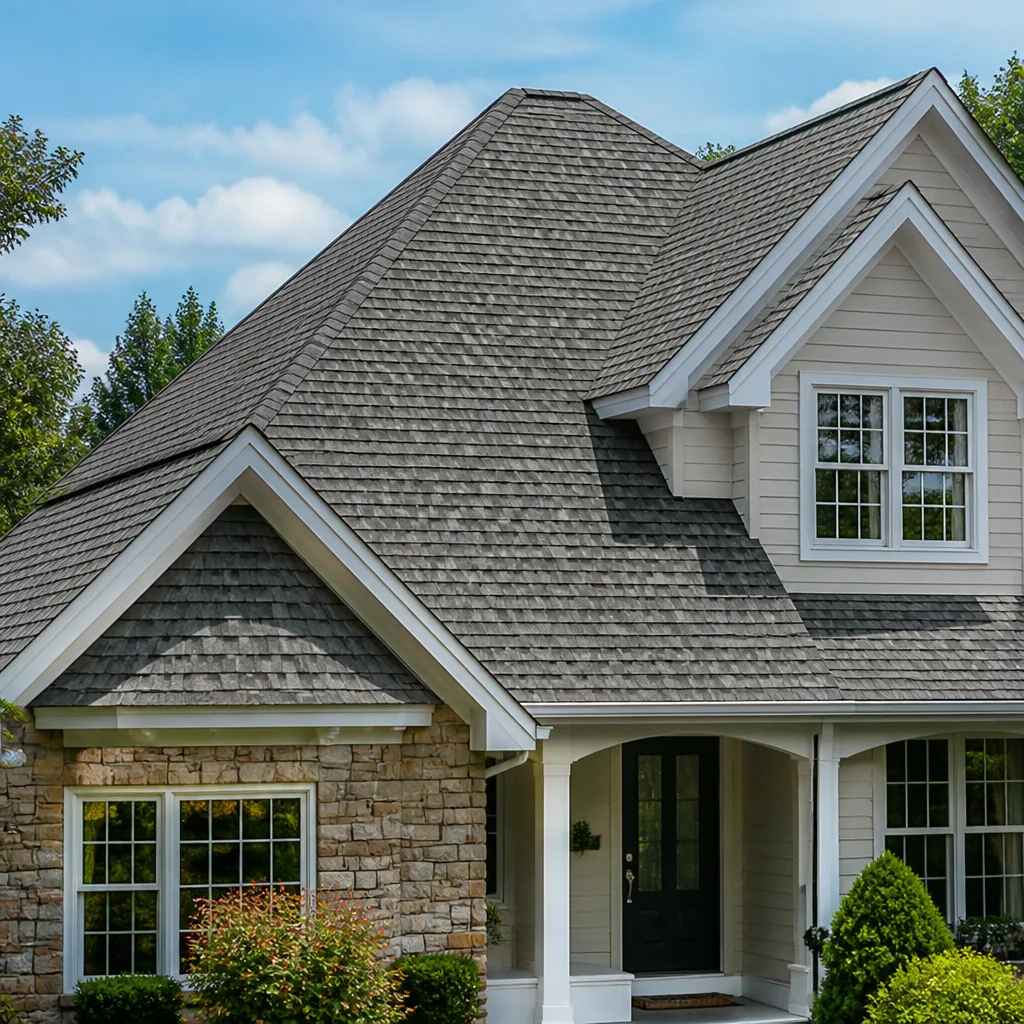 Owens Corning
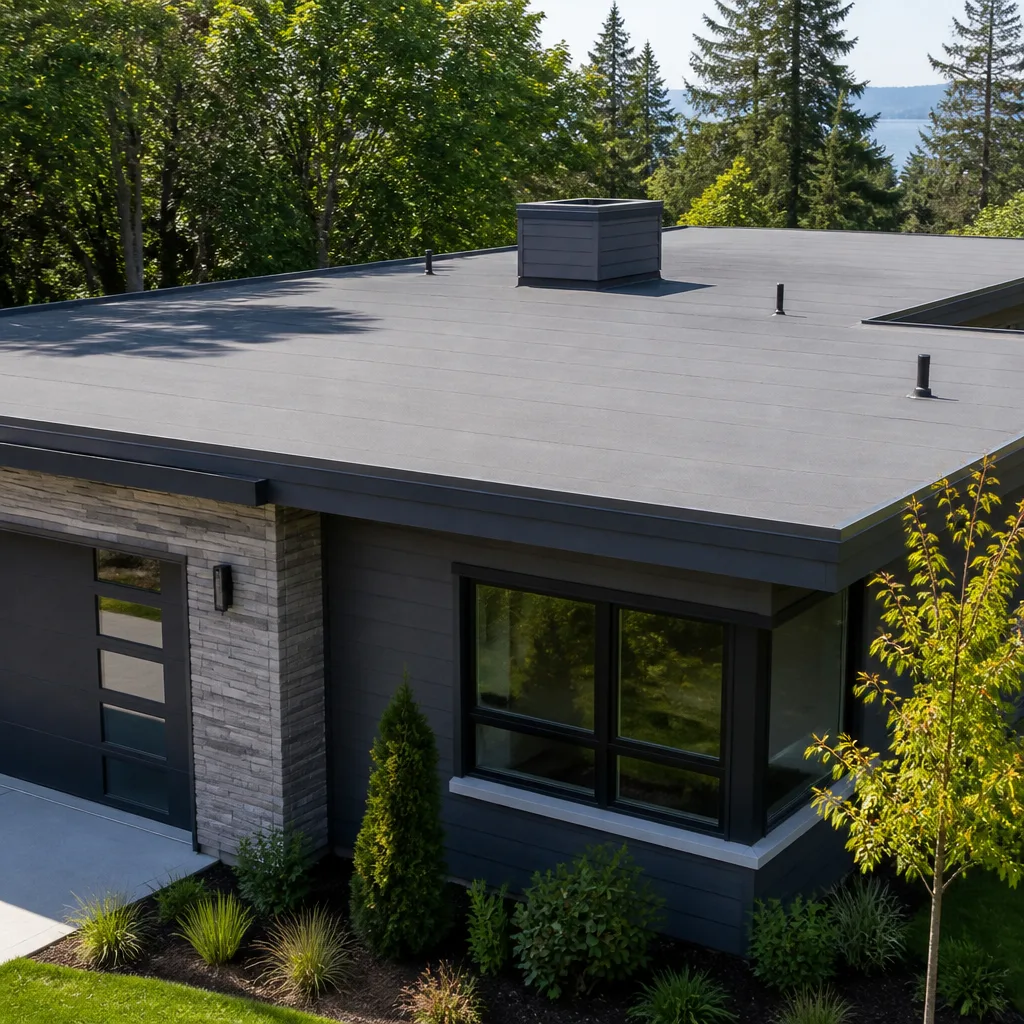 Flat & low-slope
Free roof inspection with deck photos before we talk money - GAF and Owens Corning certified installation
Roofing Cost Breakdown: The San Diego Homeowner’s Reference for 2026
The average cost of a San Diego roof replacement in 2026 lands somewhere between $12,000 and $28,000, and that $16,000 spread isn’t random. It’s driven by about eight specific factors that most homeowners have never been shown how to identify on their own property. This guide walks you through each variable, line by line, so when a bid lands on your kitchen counter you’ll know exactly what you’re reading, what’s missing, and what that missing line is going to cost you later. For Roofing Warning Signs: A San Diego Homeowner’s Reference Guide, see our dedicated resource. If you live in San Diego and you’ve never had a roofer explain why two identical-looking houses on the same street can carry quotes $10,000 apart, this is the page you’ve been looking for.
Styles & brands we work with
Quick Answer
A full asphalt shingle roof replacement in San Diego in 2026 typically runs $12,000 to $28,000, with most single-story ranch homes landing between $14,000 and $19,000. The final number depends on eight variables: roof pitch, deck condition, the number of existing layers being torn off, material grade, permit fees, HOA constraints, access difficulty, and the current local labor market. Concrete tile and standing seam metal systems run higher, typically $25,000 to $55,000 depending on structural load requirements and material selection.
Table of Contents
- The Eight Cost Variables That Move a San Diego Roof Estimate
- San Diego-Specific Costs Most National Guides Miss
- How to Read a Line-Item Bid Without Getting Burned
- The Real Cost of Delaying a Roof Replacement in San Diego
- Financing and Payment Options Worth Your Time
- Material Options and What They Actually Cost
- Common Mistakes to Avoid
- When to Call a Professional
- Frequently Asked Questions
- The Bottom Line
The Eight Cost Variables That Move a San Diego Roof Estimate
Before we get to any dollar figures, you need to understand why two houses on the same street in Clairemont or Rancho Peñasquitos can get quotes that differ by eight or ten thousand dollars. Here are the eight factors, explained the way we’d explain them standing in your driveway.
1. Roof Pitch
Pitch refers to how steep your roof is. A low-slope roof, the kind you might find on a mid-century modern in Point Loma or a flat-roof section over a Mission Hills addition, is generally safer and faster to work on. A steep roof, common on the Craftsman homes in North Park or the two-story traditional builds in Scripps Ranch, requires safety harnesses, roof jacks, and significantly more labor hours. Steep-pitch labor can add 15 to 25 percent to the total.
2. Deck Condition
The deck is the plywood or OSB layer beneath your shingles or tile. If water has been getting through, the deck rots, and rotted decking must be replaced before anything goes on top of it. In San Diego’s coastal neighborhoods like Ocean Beach and La Jolla, we regularly encounter deck damage from decades of marine-layer moisture that never fully dries. Deck replacement runs roughly $3 to $5 per square foot, and if rotted sections are extensive, this single line item can add $2,500 to $6,000 to a job.
3. Layers to Tear Off
Building code in San Diego allows a maximum of two roof layers. If your home was built in the 1970s or 1980s and has never been re-roofed, there’s a good chance you have a second layer hiding under the visible one. Tearing off two layers costs more in labor, dump fees, and time than tearing off one. If your original layer is under a newer one, expect an additional $1,200 to $3,000 depending on roof size.
4. Material Grade
Within every material category, there’s a budget tier and a premium tier. Asphalt shingles are the clearest example. A basic three-tab shingle runs $110 to $150 per square (a square is 100 square feet, the roofing trade’s standard unit). An architectural shingle from Owens Corning or CertainTeed runs $160 to $240 per square. A premium designer shingle can hit $300 per square before labor. The material line on a bid should always name the specific product, not just say “shingle.”
5. Permit Fees
The City of San Diego charges a building permit fee that scales with project valuation, and a typical residential re-roof permit runs between $250 and $600 depending on the scope. For full details, see our guide to Roofing Permits, Codes & Inspections in CA: What You Need to Know. Some contractors quote without permits and then ask you to “handle it on your end.” If a bid excludes permit costs, that’s a signal the contractor may also be excluding other things you’ll hear about later.
6. HOA Requirements
Much of San Diego’s newer housing stock sits in HOAs. Scripps Ranch, Otay Ranch, Del Sur, and large sections of Chula Vista and Carmel Valley all have architectural review committees with specific material restrictions. Some require concrete tile; some prohibit certain shingle colors; some demand a specific underlayment type. HOA approval can add two to six weeks to a project and, if the board requires a material upgrade, several thousand dollars in cost.
7. Access Difficulty
How easily can a crew get materials from the truck to the roof? A wide driveway in Rancho Bernardo with room to stage materials is quick. A hillside home in Mount Soledad with a long staircase, a narrow access path, or a backyard that requires carrying bundles by hand will add labor hours. Steep, narrow lots in sections of La Mesa and Spring Valley often carry access surcharges of $800 to $2,000.
8. The Current Local Labor Market
San Diego’s roofing labor market tightens and loosens with the economy, but the baseline is always higher than the national average because of California wage requirements and the cost of living here. As of 2026, qualified roofing crews in San Diego command premium rates. This isn’t something to negotiate away; the cost of an underpaid crew shows up as shortcuts, missed fasteners, and warranty claims that never get answered.
San Diego-Specific Costs Most National Guides Miss
Most online cost guides are written by content mills using national averages. They don’t know what happens to a roof in San Diego specifically. Here are three cost drivers that are local to our market and almost never appear in generic guides.
California VOC-Compliant Coating Requirements
Roof coatings used on low-slope roofs in San Diego must comply with California Air Resources Board limits on volatile organic compounds. Coatings that meet the state VOC standards cost more per gallon than what’s sold in states without these rules. If you have a flat or low-slope section on your roof, a compliant silicone or acrylic coating system adds $1.50 to $3.50 per square foot over non-compliant alternatives. A bid should name the specific coating product; if it just says “roof coating,” ask which one.
Coastal Wind-Load Fastening Upgrades
The sea breeze from La Jolla to Imperial Beach isn’t just weather, it’s a structural consideration. Roofs within the coastal wind zone must be fastened to resist uplift pressures that inland roofs in, say, Santee or El Cajon never face. This means more nails per shingle, upgraded fasteners, and sometimes additional metal strapping. On a typical 1,600-square-foot coastal home, these upgrades add $500 to $1,200. Most out-of-state guides have never heard of this requirement.
Title 24 Cool-Roof Compliance
California’s Title 24 energy code requires cool-roof materials for most residential re-roofs in San Diego. This means shingles or coatings with a solar reflectance index that meets state thresholds. Cool-roof compliant asphalt shingles cost roughly $10 to $20 per square more than standard equivalents. Some HOAs push back on the lighter colors that cool-roof ratings often require, which creates a negotiation between the homeowner, the HOA, and the roofing contractor. We’ll cover this in the HOA section below.
How to Read a Line-Item Bid Without Getting Burned
This section is the reason we wrote this guide. If you learn one skill here, make it this one: reading a bid before you sign it. Here’s what a legitimate line-item bid from a roofing company in San Diego should include, line by line.
What Should Be on Every Line-Item Bid
- Tear-off: Number of existing layers to be removed, and the dump fee broken out separately.
- Deck inspection and replacement: A per-sheet price for any rotted decking, with a note that replacement happens only if damage is found.
- Underlayment: The specific product name and weight. San Diego’s wildfire-prone zones in areas like Rancho Santa Fe and Poway require fire-rated underlayment.
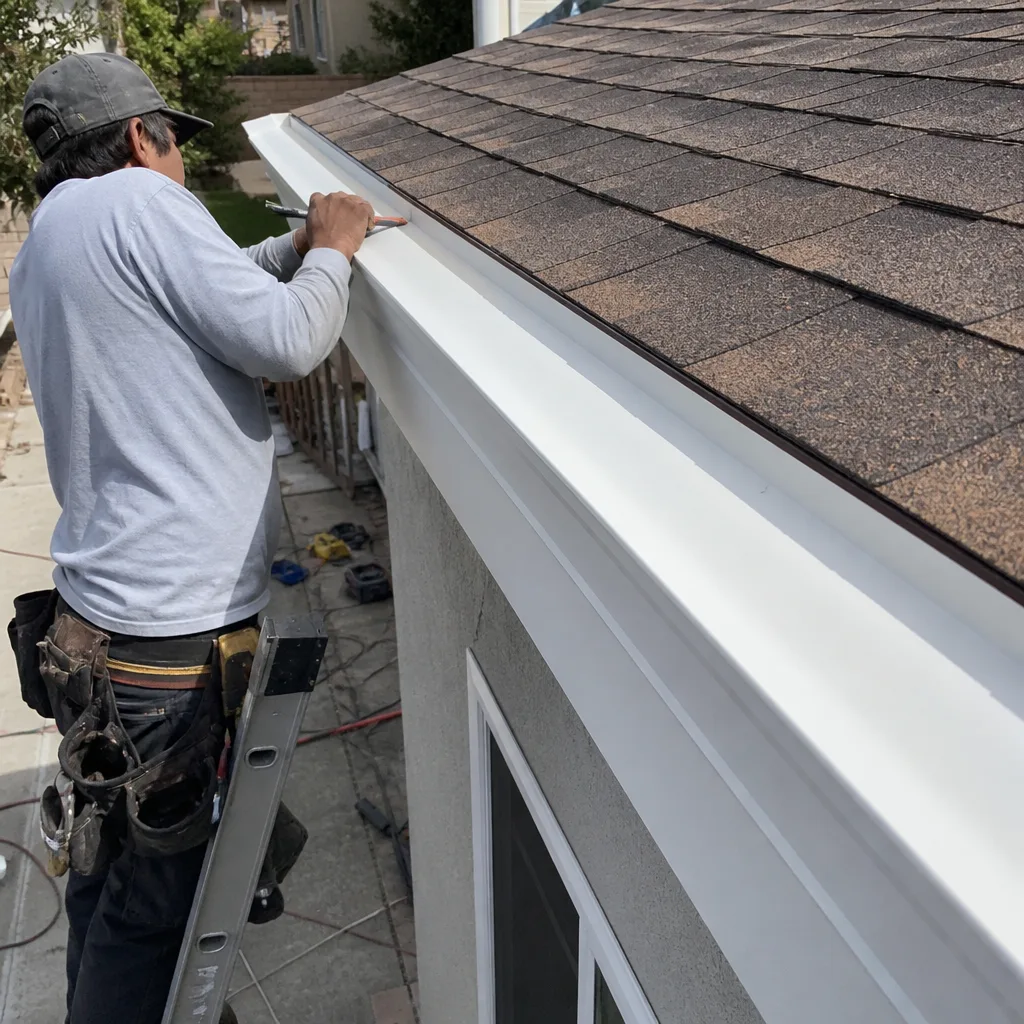
- Drip edge: The metal trim along the roof’s edges that directs water into the gutters. It should be priced per linear foot.
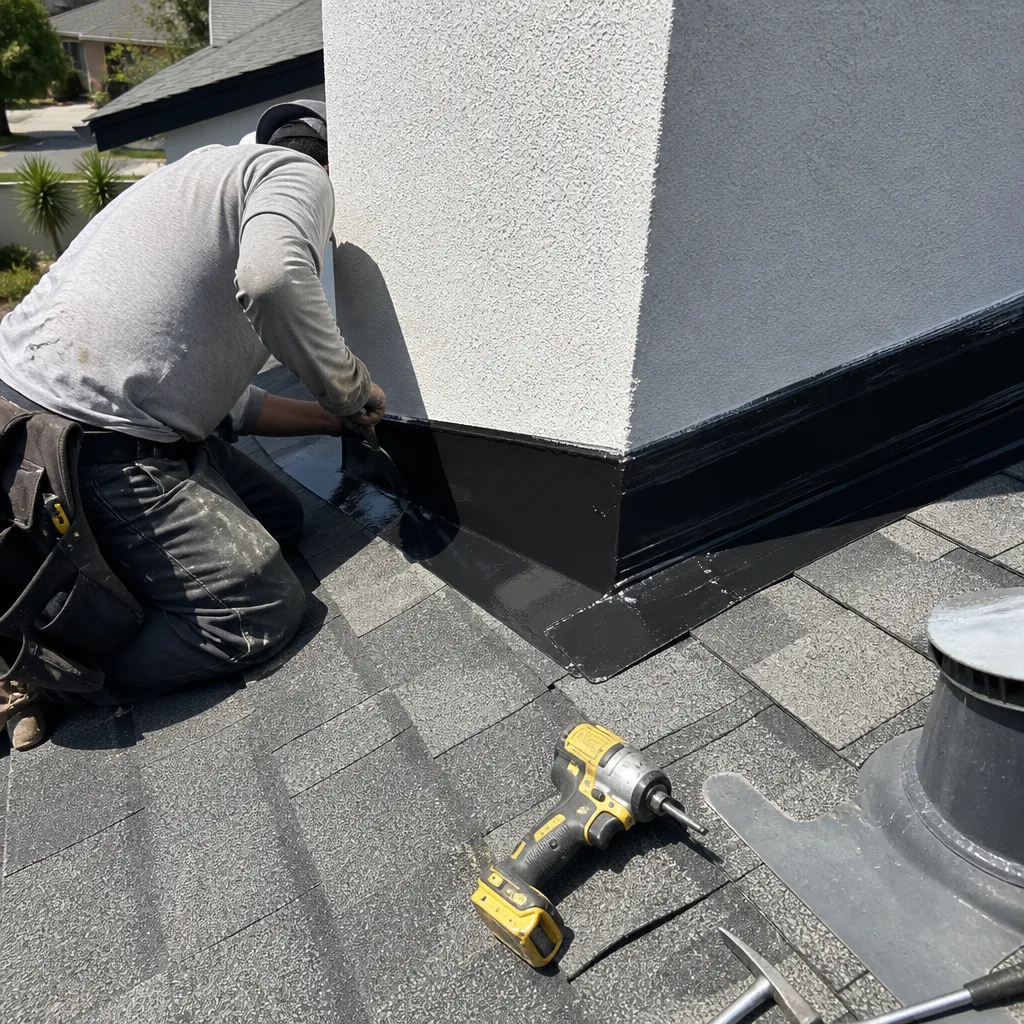
- Flashing: Metal at the chimney, valleys, side walls, and pipe collars. A bid that doesn’t mention flashing at all is a red flag.
- Ridge cap and venting: The shingles or trim that cap the roof’s ridges, plus the ventilation system (ridge vent, box vents, or attic fan).
- Permit fee: Exact amount, or a clear note that it’s included in the total.
- Material specs: Manufacturer name, product name, and warranty level.
- Labor warranty: Written statement of how long the contractor’s workmanship coverage runs.
- Start and completion window: Not a promise of an exact date, but a reasonable window.
Which Missing Lines Are Red Flags
A bid that says “Complete roof replacement: $14,200” with no breakdown is a bid designed for change orders. The contractor will show up, “discover” that your deck needs replacement, and hand you a supplemental invoice. Here are the omissions we hear about most from San Diego homeowners:
- No tear-off line: They planned to roof over the existing layer, which may be a code violation and will shorten the life of your new roof.
- No decking line: They’ll bill you per sheet after the old roof comes off, at whatever price they choose.
- No flashing line: Flashing replacement is one of the most common surprise charges. If it’s not in the bid, it’s being added later.
- No permit line: Either they’re working illegally or you’re paying for the permit as a surprise.
- No underlayment specified: “Underlayment included” without a product name means you’re getting the cheapest felt available.
At Tilehurst Roofing San Diego, every bid we write is a line-item document. The price you see is the price you pay. No change orders unless you request a change yourself, and no “unexpected discoveries” that mysteriously double the bill. If you’d like a written example of what a proper line-item bid looks like, our roof repair service pages include sample bid structure notes, and you can call us anytime to walk through one together.
The Real Cost of Delaying a Roof Replacement in San Diego
You might think waiting another year saves you money. In San Diego’s climate, the opposite is true more often than not. Proper Seasonal Roofing Care for San Diego: Year-Round Homeowner’s Guide can help you catch issues before they escalate. Here’s the progression we see on deferrals.
Deferred Repair Progression: A Flashing Leak Example
Take a failed roof-to-wall flashing, which is the metal seam where a roof meets a vertical wall. A small gap here lets water in during our winter rain events. Here’s what that $1,200 flashing repair becomes if deferred.
| Timeframe | What Happens | Repair Cost Range |
|---|---|---|
| Month 0 | Flashing gap identified; minor water staining on interior ceiling | $800 to $1,200 |
| Month 12 | Water has saturated the decking; mold growth begins in the attic; insulation is damp | $2,800 to $4,500 |
| Month 24 | Rotted decking; damaged drywall; potential electrical wiring corrosion | $6,000 to $9,500 |
| Month 36 | Structural damage to framing; full roof section and interior rebuild required | $12,000 to $20,000+ |
This progression isn’t speculative. We’ve inspected homes in University City and Clairemont where a single flashing failure went unnoticed for two years and turned a four-figure repair into a full roof and interior remediation project. The cheapest repair is always the one done first. That’s not a scare tactic; it’s a calendar and a moisture meter talking.
Financing and Payment Options Worth Your Time
A roof replacement is a major purchase, and how you pay for it matters almost as much as what you pay. Here’s what legitimate financing looks like in 2026, and how to spot structures that benefit the contractor more than you.
Legitimate Financing Structures
- Cash or check: Often earns a small discount from contractors who avoid processing fees. Make sure any discount is written into the bid.
- Home equity line of credit (HELOC): Interest rates have been volatile, but a HELOC remains the lowest-cost borrowing option for many homeowners with equity.
- Contractor-offered financing through a bank partner: These are installment loans underwritten by a real bank, with fixed rates and fixed terms. The contractor is paid by the bank after the work is complete, not before.
- PACE (Property Assessed Clean Energy) financing: Available in San Diego through the California Statewide Communities Development Authority if the roof qualifies as an energy-efficiency improvement. PACE attaches to the property tax bill. It’s legitimate, but the repayment schedule runs long and some homeowners find the lien structure uncomfortable.
Financing Structures to Approach Carefully
- Large upfront deposits without a written draw schedule: In California, contractors are legally limited to $1,000 or 10 percent of the job, whichever is less, as a down payment. Anyone asking for more upfront is violating state law.
- “No payments for 12 months” deferred-interest offers: If you pay in full inside the promo window, you’re fine. If you don’t, interest is applied retroactively to the entire original balance, not just the remaining amount. The deferred-interest clock is the contractor’s leverage, not yours.
- Contractor-arranged “low monthly payment” plans with undisclosed APR: If the interest rate isn’t printed on the page you sign, the deal isn’t transparent.
Material Options and What They Actually Cost in San Diego
Your material choice is the single largest variable you control. Here’s a realistic range for the major options in San Diego’s 2026 market, including installation.
Asphalt Shingles: $12,000 to $22,000
The most common choice in San Diego for good reason. Architectural shingles from Owens Corning, IKO, Atlas, or Tamko offer 25 to 40 year manufacturer warranties, strong wind ratings, and color options that satisfy most HOAs. At Tilehurst Roofing, we offer shingles from all four of those manufacturers plus GAF, CertainTeed, and Boral, so the product gets matched to the house, not to whatever the truck has on it that week. Cool-roof versions run slightly higher than standard lines.
Concrete Tile: $25,000 to $45,000
The signature San Diego look, especially in Spanish-style homes in Kensington, Talmadge, and large parts of East County. Concrete tile is heavy; your roof structure may need reinforcement if it wasn’t originally designed for tile. Installation is slower and more exacting than shingles. A properly installed tile roof can last 50 years or more.
Standing Seam Metal: $28,000 to $55,000
Standing seam is expensive up front and exceptionally durable. It’s increasingly popular in fire-prone zones because of its Class A fire rating. Installation requires a specialized crew, and San Diego’s coastal wind zones make proper fastening critical. If you get a metal roof bid at shingle prices, something is wrong.
Wood Shake and Shingle: $25,000 to $40,000
Wood roofs are rare in new San Diego construction because of fire code restrictions, but older homes in Del Cerro and parts of La Mesa may have existing shake roofs. In wildfire-prone areas designated by the city’s fire hazard severity zones, wood replacement is often restricted entirely. Check with your roof replacement contractor before planning around wood.
For a full breakdown of what each of these systems looks like on a San Diego home, see the Tilehurst Roofing San Diego home page, which includes side-by-side material comparisons and warranty details.
Common Mistakes to Avoid
- Accepting a bid with no line items. A single number with a signature line is a placeholder for change orders. Get the breakdown or get another bid.
- Choosing a contractor on price alone. San Diego’s housing market supports a wide range of roofing companies, and the ones quoting 40 percent below market are cutting something somewhere: labor, materials, insurance, or all three.
- Skipping the permit. Some San Diego homeowners ask us to work without a permit to save a few hundred dollars. The savings evaporate the first time an inspector issues a stop-work order, or a home sale is delayed because unpermitted work shows up on the property record.
- Ignoring HOA requirements until installation day. We’ve seen crews show up in gated communities near Rancho Bernardo and get sent home by the HOA because the shingle color wasn’t approved. HOA review happens before the bid, not after.
- Not asking about the workmanship warranty in writing. A manufacturer’s material warranty covers the shingles, not the installation. If the contractor’s workmanship warranty isn’t written on the bid, it doesn’t exist.
- Paying the full balance before the final walkthrough. A reputable contractor collects the final payment after you’ve inspected the work and signed off. Anyone rushing for payment before the roof is done and the site is clean should raise a flag.
When to Call a Professional
Some situations don’t need a cost guide, they need a professional opinion. Call a San Diego roofing contractor if you see water stains on interior ceilings, missing shingles after a Santa Ana wind event, granules collecting in your gutters, or daylight visible through the attic boards. These are active failure signals, and the cost to inspect them is always less than the cost to ignore them. Tilehurst Roofing San Diego offers free estimates across San Diego, from Chula Vista to Oceanside and everywhere between. Every estimate includes a written, line-item price before any work begins, so you know exactly what you’re looking at from day one. Call (619) 393-3877 to schedule yours.
Frequently Asked Questions
A full roof replacement in San Diego in 2026 typically costs $12,000 to $28,000 for asphalt shingles on an average single-family home, with concrete tile and metal systems running higher. The specific number for your home depends on roof size, pitch, deck condition, material choice, and access difficulty. Call (619) 393-3877 for a written, line-item estimate on your specific property.
Most San Diego roof replacements take three to seven working days, depending on roof size, material type, and weather. Tear-off and deck inspection typically take one to two days, with installation following immediately. HOA approval, if required, can add two to six weeks before the crew can even start.
Yes, the City of San Diego requires a building permit for full roof replacement. The permit fee is typically $250 to $600, depending on the project valuation, and a legitimate contractor will include it in the bid or clearly mark it as a separate line item. Any contractor suggesting you skip the permit is creating a problem for your eventual home sale.
Asphalt architectural shingles are the lowest-cost material that performs reliably in San Diego’s climate, running roughly $12,000 to $22,000 installed on an average home. They handle marine-layer moisture well, meet Title 24 cool-roof requirements when specified correctly, and carry 25 to 40 year manufacturer warranties.
Get at least three written line-item bids, and compare them line by line, not just at the bottom. If two bids include deck replacement allowances and one doesn’t, the lowest bid is probably not the lowest final price. Look for specific product names, explicit permit fees, and a written workmanship warranty on every bid. If a bid omits any of those, ask why.
It depends entirely on the cause of the damage. Insurance typically covers sudden, accidental damage like a Santa Ana wind event, a falling tree, or a fire. It generally does not cover wear and tear, age-related failure, or deferred maintenance. If you’re filing a claim, get the adjuster’s scope in writing before you sign any contractor agreement.
The Bottom Line
The San Diego roof replacement market in 2026 rewards homeowners who understand the variables before they call a contractor. Pitch, deck condition, tear-off layers, material grade, permits, HOA rules, access, and labor costs are all knowable factors. Once you know them, you can read a bid for what it actually is: either a transparent, line-item document or a single number hiding future change orders. The home you live in deserves the first kind. If you want a written price before any work starts, with every line spelled out and the warranty in writing, call Tilehurst Roofing San Diego at (619) 393-3877. You can also browse more guides & resources on our blog. The estimate is free, and the paper you’ll hold in your hand at the end of it is exactly what the guide above has been teaching you to read.
Written by Greg Holloway, Owner at Tilehurst Roofing San Diego, serving San Diego since 2000.
See the difference
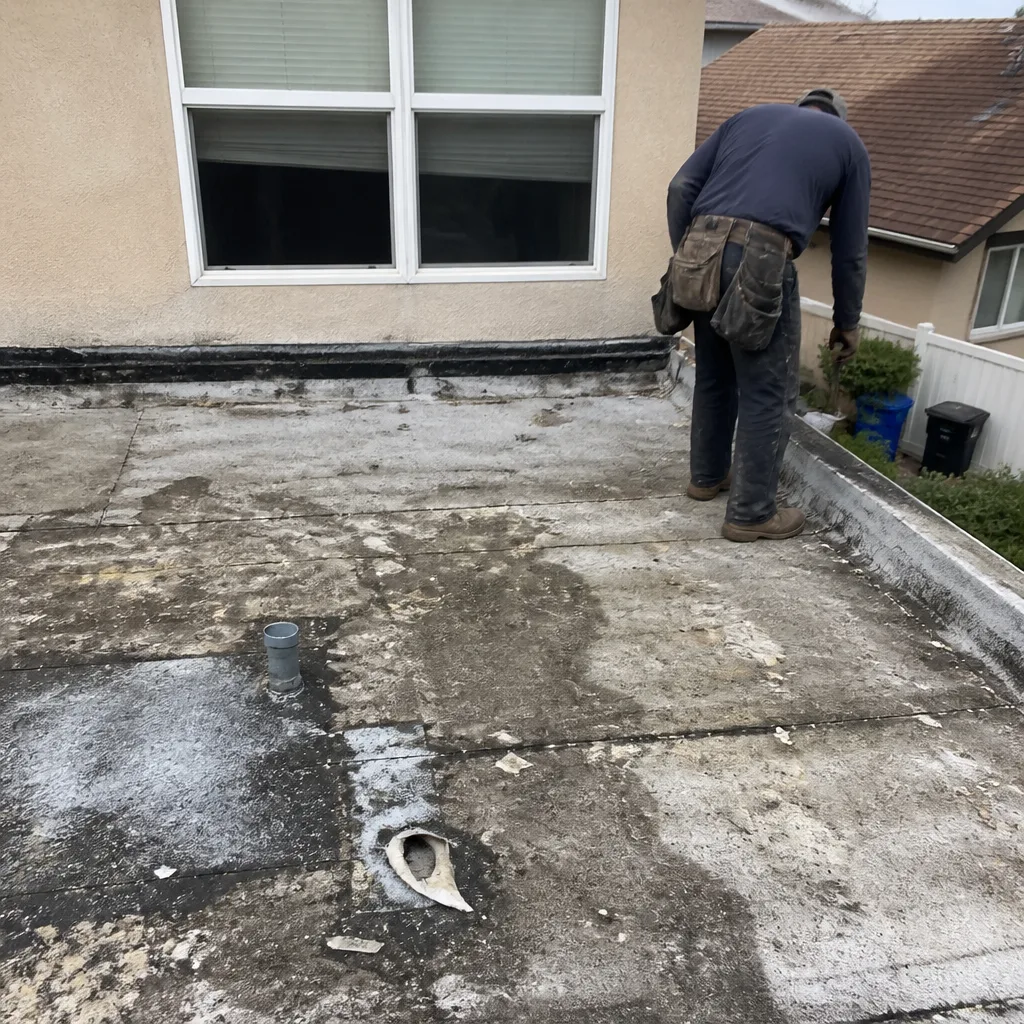 Before
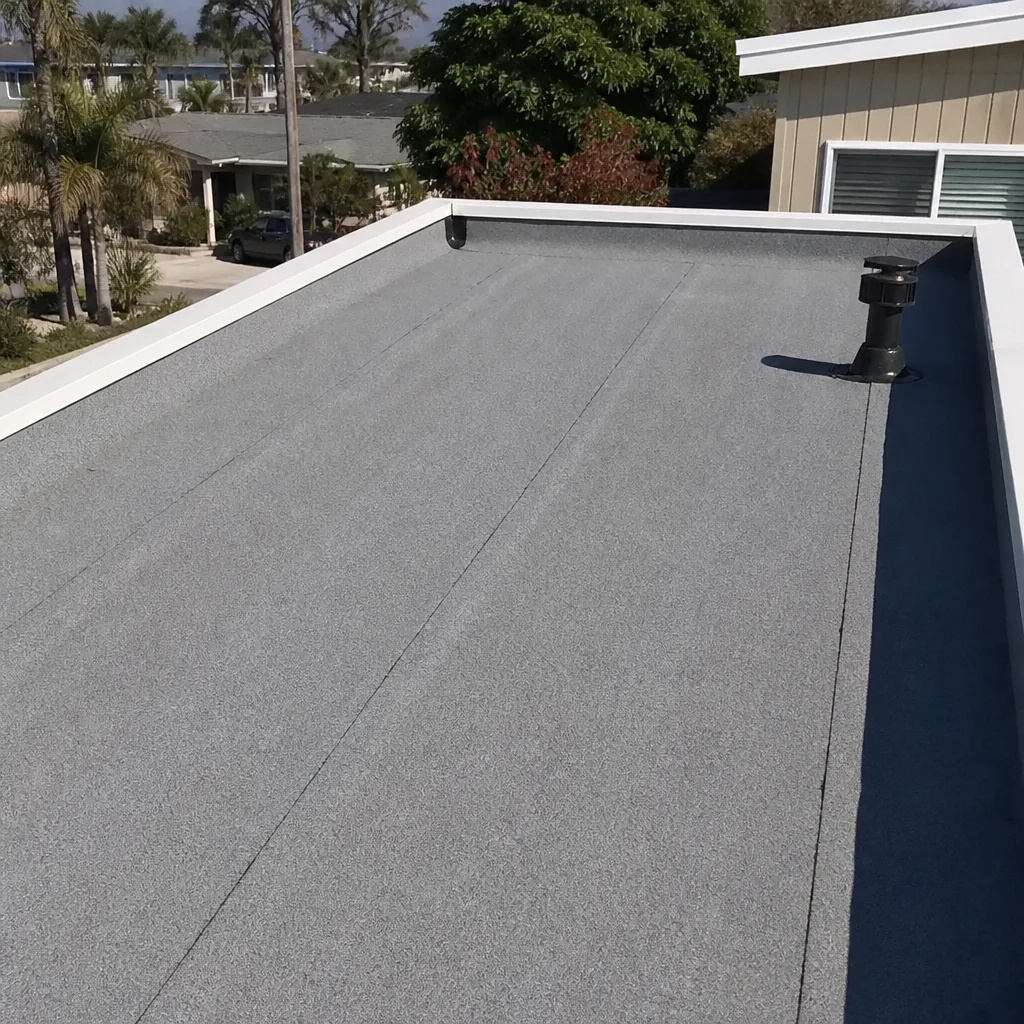 After
After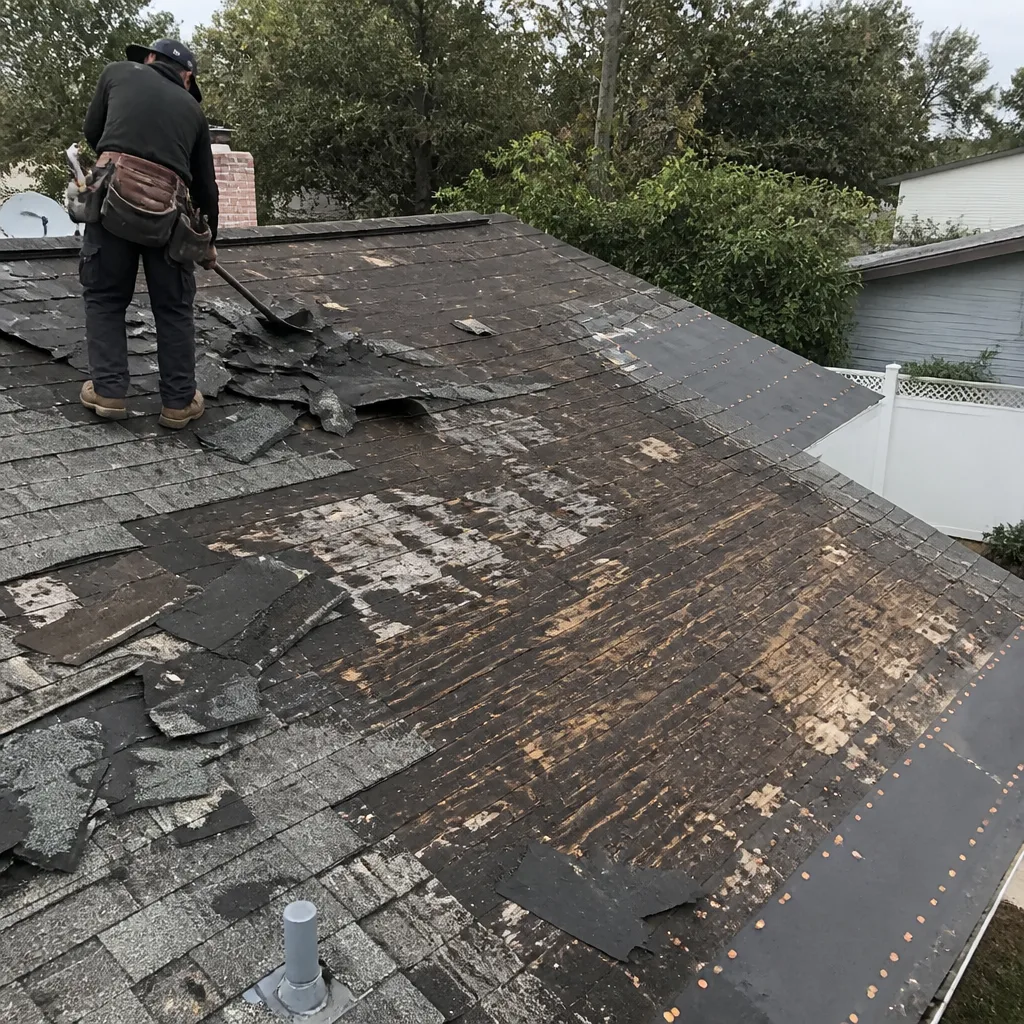 Before
 After
After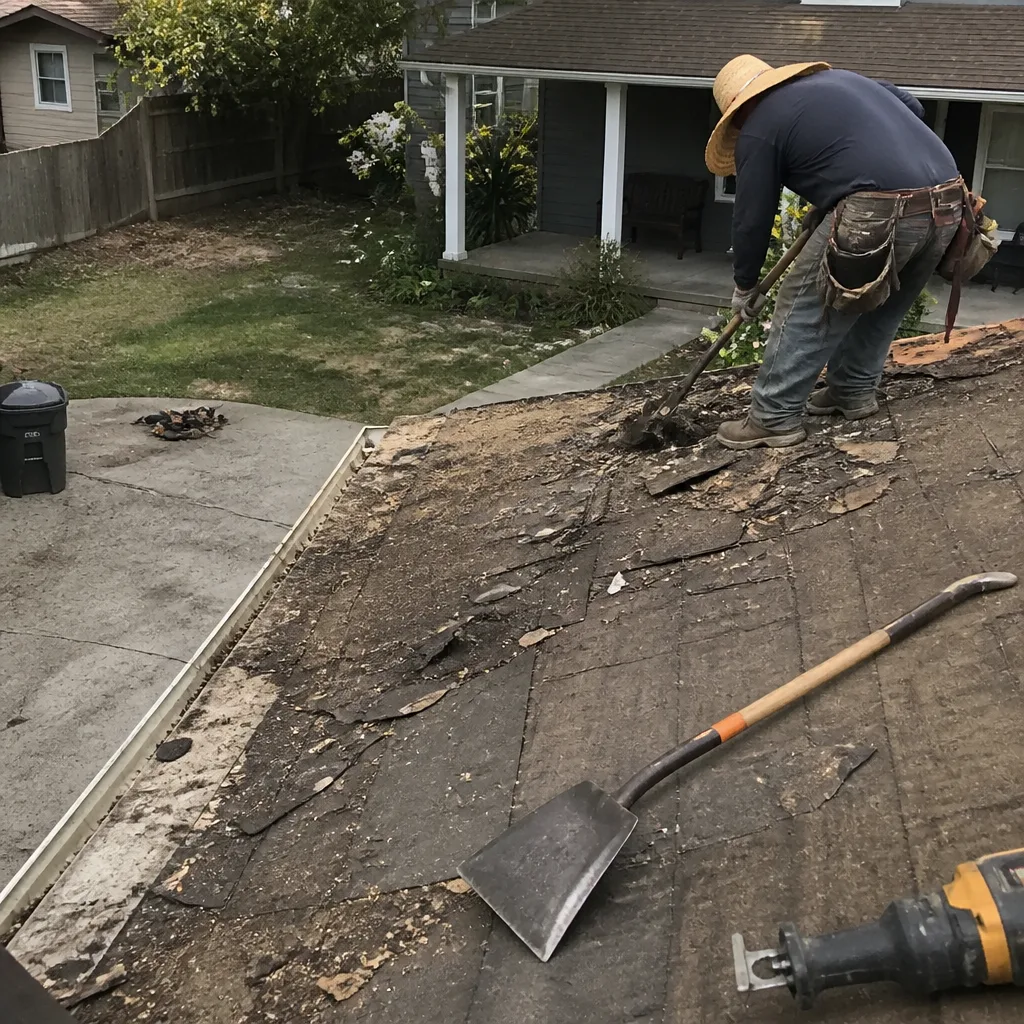 Before
 After
After