
Last updated October 17, 2026
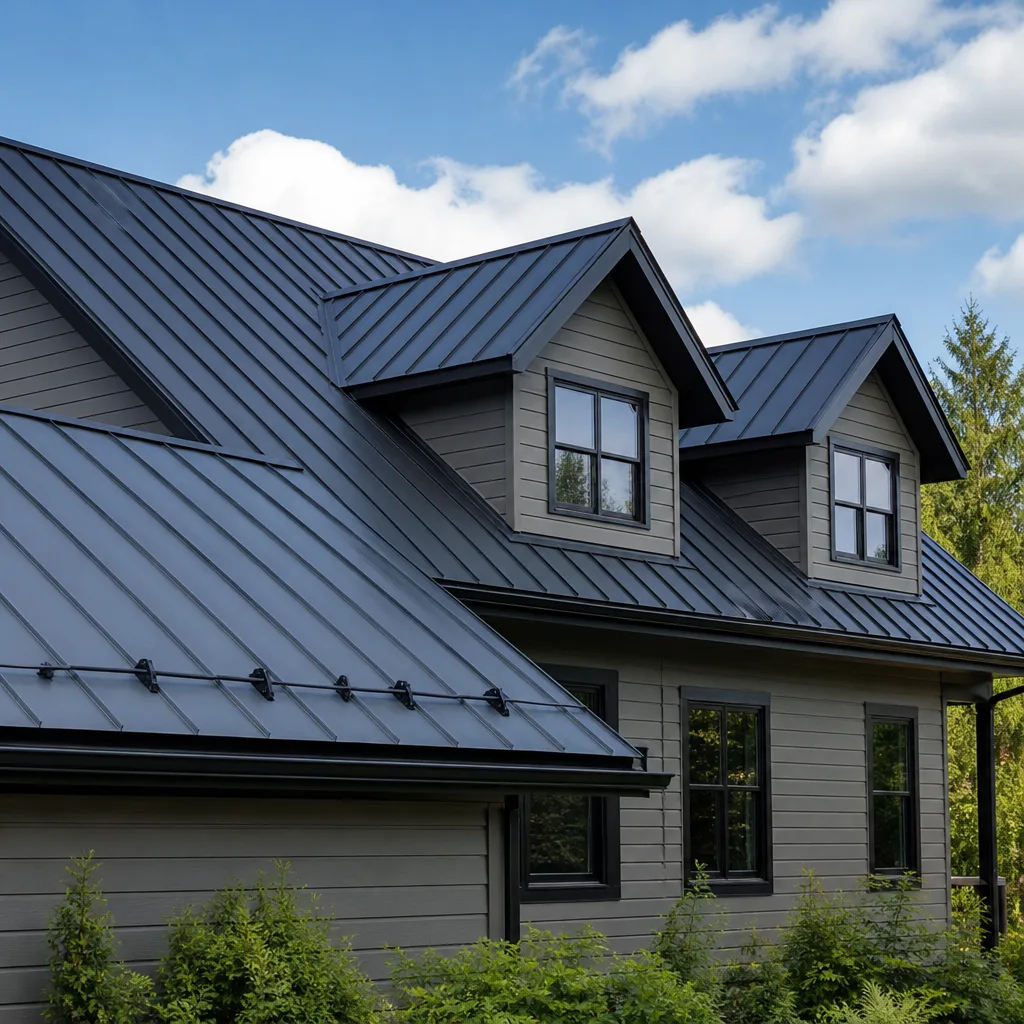 Metal roofing
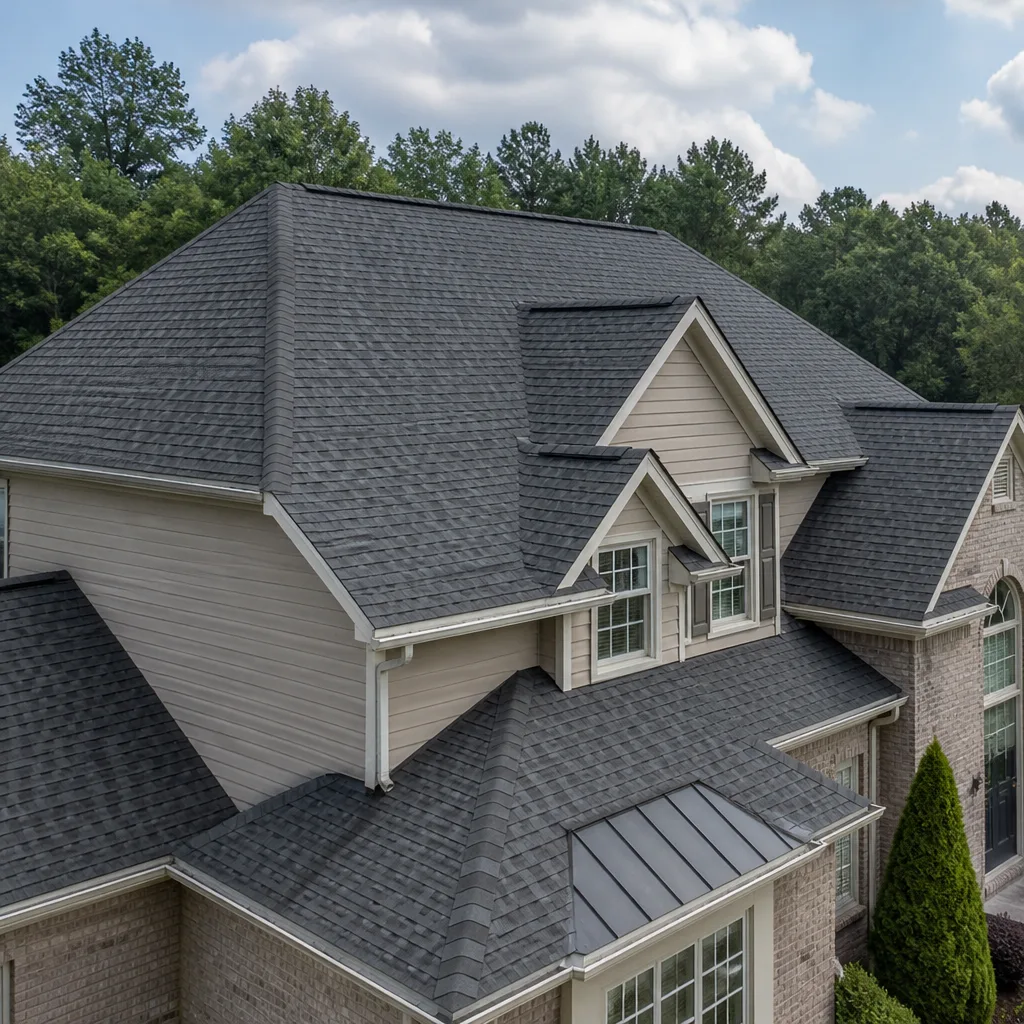 Architectural shingles
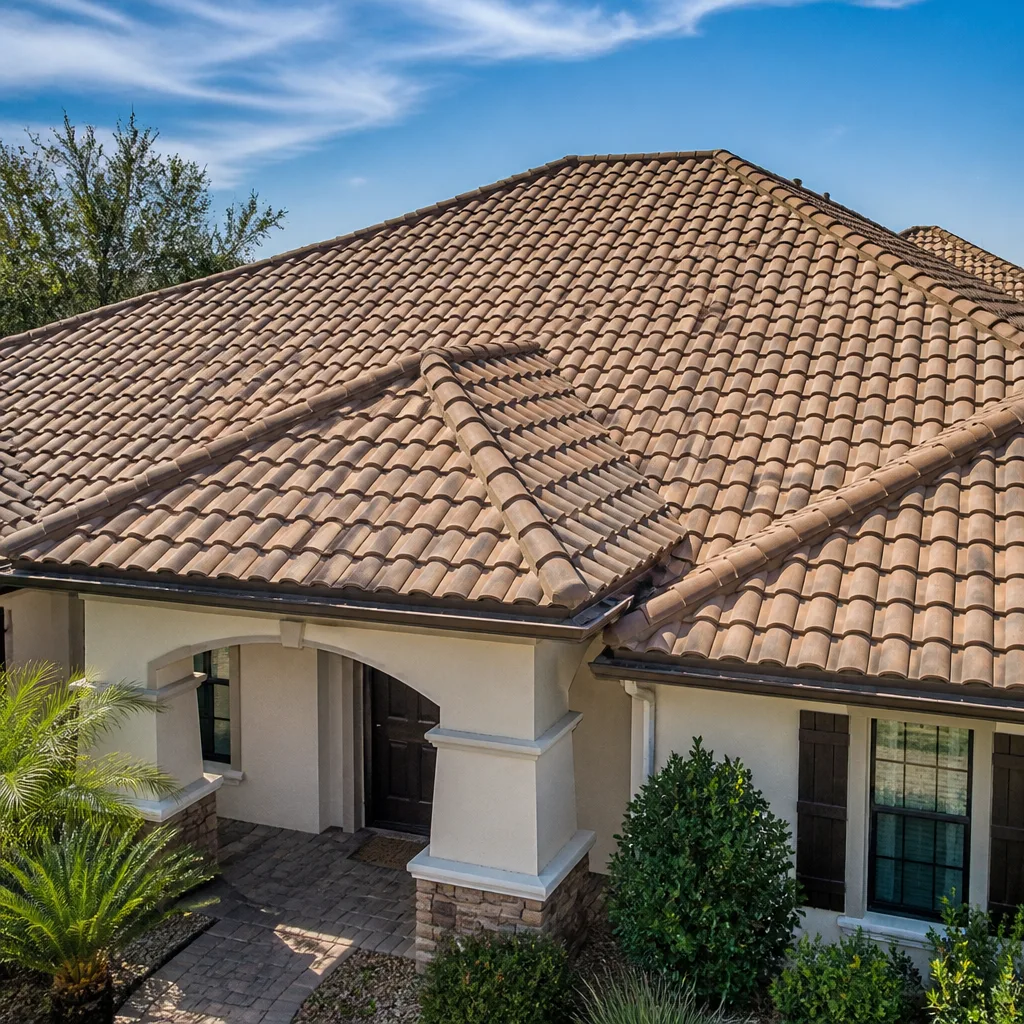 Tile roofing
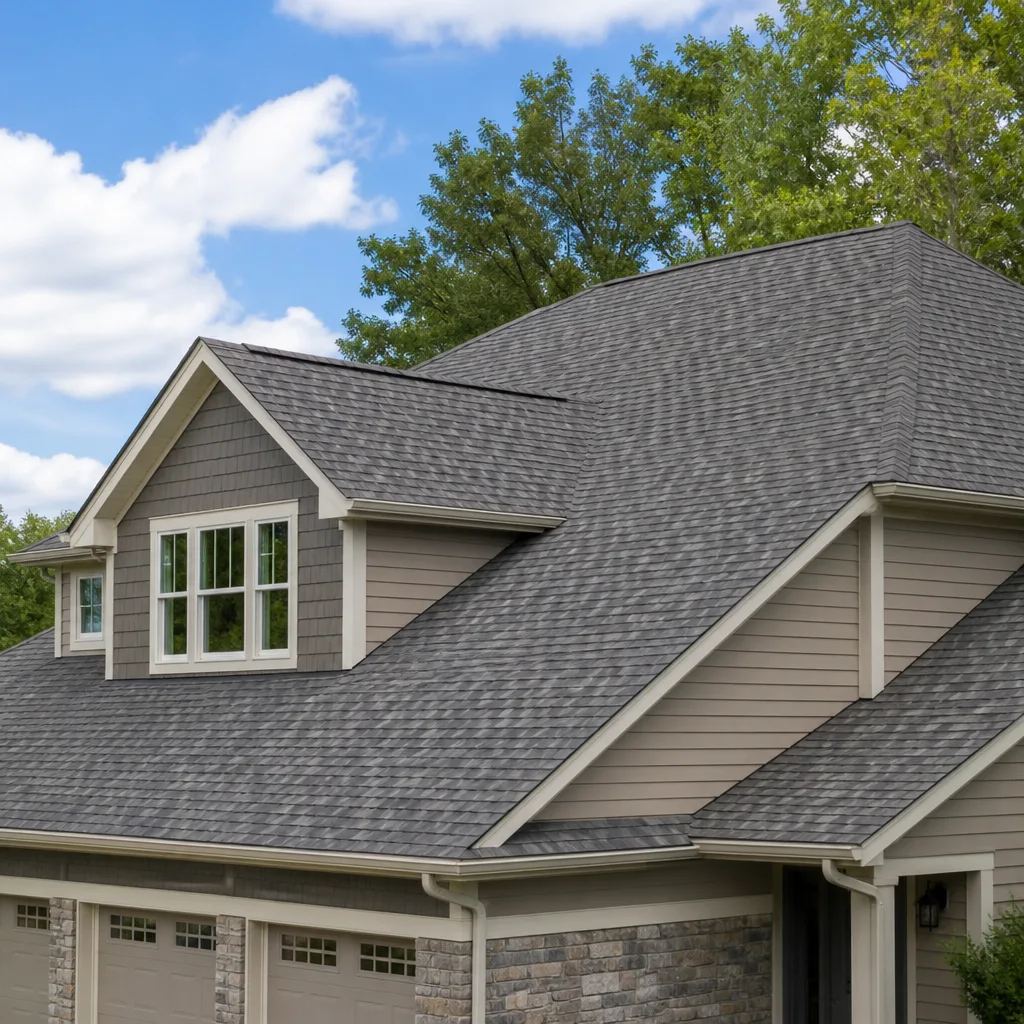 GAF
GAF Owens Corning
 Flat & low-slope
Free roof inspection with deck photos before we talk money - GAF and Owens Corning certified installation
DIY vs Professional Roofing: The San Diego Homeowner’s Decision Guide
In San Diego County, the average homeowner will spend between $4,800 and $9,200 replacing a roof, and the single most expensive mistake we see is not the roof that fails, it’s the roof that was never permitted. The DIY-versus-professional debate usually focuses on cost and skill, but here’s the counterintuitive truth: a homeowner can legally reroof their own primary residence in California, yet doing so can void their insurance coverage, trigger an HOA violation, and show up as a title defect when they sell the house. This guide lays out what San Diego homeowners are actually allowed to do, what it really costs, and where the line between smart savings and expensive risk sits. For a deeper look at pricing, see our Roofing Cost Breakdown: The San Diego Homeowner’s Reference for 2026.
Quick Answer
For most San Diego homeowners, the right answer is a hybrid: hire a licensed C-39 roofing contractor for the structural, waterproofing, and permitted work, and handle only the small, non-structural prep tasks yourself if you’re experienced. If you’re not sure how to vet a contractor, our How to Hire a Roofing Contractor in San Diego: A Step-by-Step Guide walks you through the process. DIY roofing is legal on your own primary residence under California’s owner-builder exemption, but it can void your homeowner’s insurance policy, void manufacturer warranties on materials, and create permit and title problems you won’t discover until a claim or a sale.
Styles & brands we work with
Table of Contents
- What California Law Actually Allows for DIY Roofing
- The Three Documents to Read Before You Buy a Single Shingle
- What San Diego Weather Really Does to Roofs
- San Diego Roofing Tasks You Can Reasonably Handle
- Tasks Where the Risk Outweighs Any Savings
- The Real Cost Comparison: DIY vs Professional
- How HOA Rules Work in San Diego Covenant Communities
- The Middle Path: Professional Inspection, DIY Prep
What California Law Actually Allows for DIY Roofing
California’s owner-builder exemption, found in Business and Professions Code Section 7044, allows a homeowner to act as their own general contractor on their own primary residence without holding a contractor’s license. That means you can legally pull your own permit, buy your own materials, and do the work with your own hands or with hired day labor. The exemption applies only to a home you live in as your principal residence, and it applies to most roofing work, including reroofing and structural repairs.
But there’s a catch that matters more than the permission itself: when you act as an owner-builder, you take on all the liability a licensed contractor would normally carry. If a worker you hire on your roof falls, you are responsible, and your homeowner’s policy may not cover a workplace injury unless you carried workers’ compensation. If the roof leaks and you file a claim, your insurer will ask who installed it, and an unlicensed, unpermitted install is one of the most common reasons claims get denied. Legality and coverage are not the same thing.
San Diego’s building departments, including the city of San Diego, Chula Vista, Oceanside, and Escondido, all enforce the same California Building Code provisions for roofing, and they all require permits for any reroof that replaces the underlying sheathing or changes the roof’s structural configuration. A simple shingle-over-shingle recover may not require a permit in some cities, but it’s worth confirming with your specific jurisdiction before you start. We’ve seen homeowners in National City and Santee complete work that passed inspection, only to discover later that their insurer considers any owner-builder roof a coverage exclusion until it’s inspected by a licensed contractor.
The Three Documents to Read Before You Buy a Single Shingle
Before you climb a ladder, there are three documents that will tell you more about your actual options than any YouTube video will. Each one takes less than an hour to read, and each one can save you from a mistake that costs more than the entire project.
- Your homeowner’s insurance policy. Look for the section on “property conditions,” “maintenance,” or “exclusions.” Most policies in California include language stating that damage resulting from faulty workmanship or unpermitted alterations is excluded. That means a DIY roofing mistake that leads to a leak can result in a denied claim for the entire resulting water damage, not just the roof repair.
- Your HOA’s CC&Rs. If you live in a covenant community anywhere from Carmel Valley to Eastlake, your HOA almost certainly requires architectural review before any exterior alteration, including roofing. Many San Diego HOAs specify approved materials, colors, and even specific contractors. Some impose fines for unapproved work, while others force removal at your expense.
- The permit history for your home. You can request this from your city’s building department or search online. If a previous owner ever did unpermitted roofing work, that’s already a title cloud, and adding your own unpermitted layer makes it worse when you eventually sell.
The common thread here is that the legal permission to do your own roofing work is separate from the contractual permissions you’ve already agreed to when you bought the home and insured it. One does not override the other.
What San Diego Weather Really Does to Roofs
San Diego doesn’t get the dramatic weather that sells roofing in the Midwest or the Gulf Coast, but our climate has its own set of roof killers. The marine layer that rolls through Point Loma, Ocean Beach, and La Jolla in the morning delivers consistent moisture to north-facing roof planes, and that moisture sits long enough to grow moss and algae, which hold water against shingles and accelerate granule loss. Inland neighborhoods like Rancho Bernardo, Poway, and Santee get the opposite problem: intense UV exposure and wide temperature swings that bake shingles and cause them to become brittle years before their rated lifespan.
Santa Ana winds are the wildcard. Every fall, sustained winds of 40 to 60 miles per hour, with gusts higher in the canyons and along the mesas, lift poorly fastened shingles, peel back flashing, and turn a small existing gap into a full-blown leak. We see more roof failures in the week after the first strong Santa Ana event of the season than in any other single week of the year.
None of this means San Diego roofs are doomed. It means the margin for error on a DIY install is thinner than it appears. A shingle nailed half an inch too high, a valley cut slightly too tight, a piece of flashing not properly lapped: these mistakes survive summer without complaint, then reveal themselves all at once in November.
San Diego Roofing Tasks You Can Reasonably Handle
With the right tools, a careful approach, and a healthy respect for gravity, there are specific tasks a competent homeowner can do well. These are jobs that are low-risk, cosmetic, or preparatory, and they can legitimately save you a few hundred to a couple thousand dollars on a larger project.
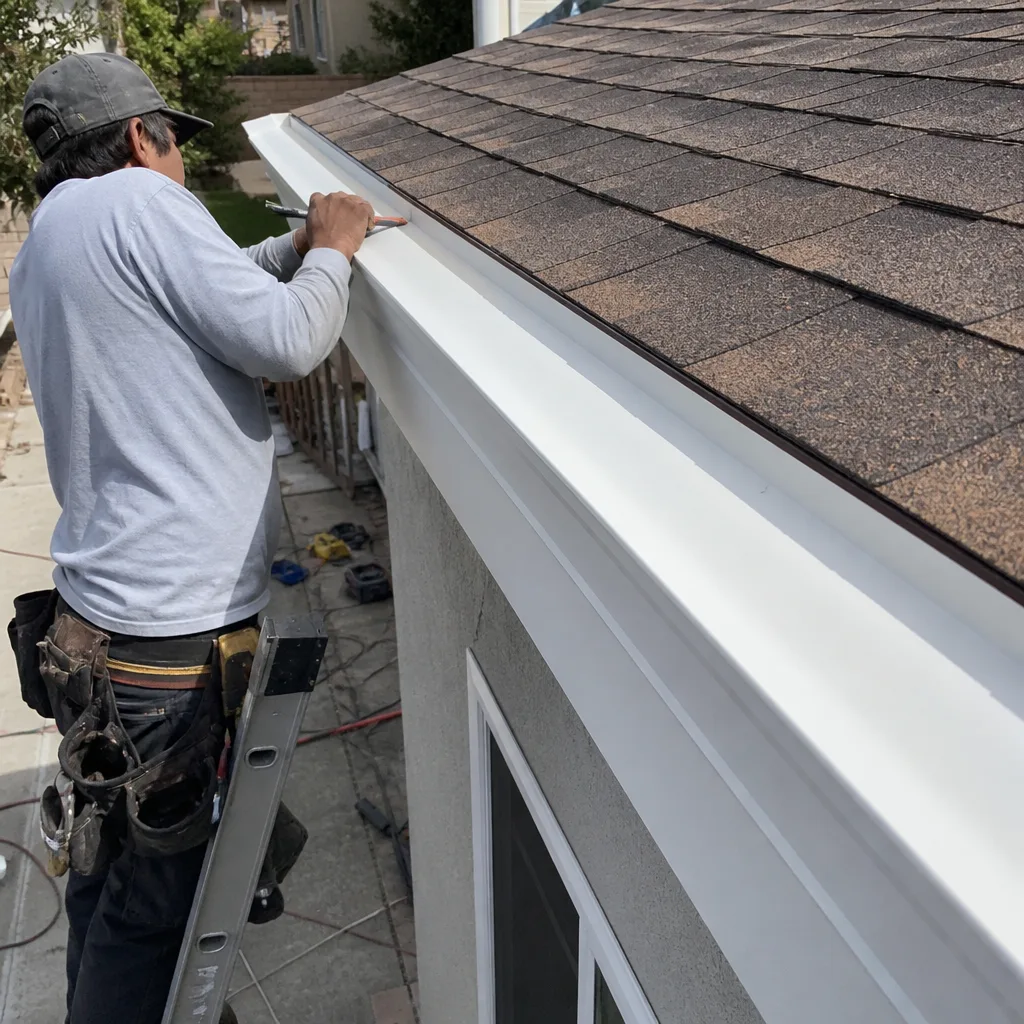
- Gutter cleaning and inspection. Clogged gutters are the leading cause of fascia rot in San Diego, and clearing them twice a year is a safe, ladder-level task for most people. While you’re up there, look for shingle granules accumulating in the gutter, which signal advanced wear.
- Visual inspection from the ground. Binoculars from the sidewalk can reveal curling shingles, missing granules, loose flashing, and damaged ridge caps. Take photos and date them. A season-over-season comparison is genuinely useful when deciding whether to replace.
- Clearing debris from valleys and roof penetrations. Leaves, pine needles from the mountains near Alpine and Descanso, and other debris that accumulate in roof valleys can hold water and cause premature wear. Clearing them with a soft brush or leaf blower, while staying on a ladder and never walking the roof surface, is reasonable.
- Sealing small gaps around vents and pipes with a compatible sealant. This is a stopgap measure, not a repair, but in a pinch it can stop a small leak until a roofer can make a proper fix. Use a sealant rated for roofing, and know that this is temporary.
- Interior inspection after rain. Check your attic for water stains on the underside of the decking, especially after the first heavy rain of the season. Finding a stain early is the difference between a $400 repair and a $4,000 one.
These tasks are genuinely useful, genuinely manageable, and genuinely safe for a homeowner with basic competence on a ladder. They also share a characteristic: none of them alter the performance of the roof as a waterproof system. When you start changing the system, the risk profile changes.
Tasks Where the Risk Outweighs Any Savings
Some roofing tasks are dangerous on their face. Others are dangerous in a subtler way: they look simple, they feel manageable, and they fail quietly until the damage is catastrophic. Here are the jobs where we tell San Diego homeowners not to climb a ladder, no matter how handy they are.
- Anything involving structural repair. If your roofer of record has told you that the decking, rafters, or trusses need work, that is structural work. It requires a permit, engineering in some cases, and the experience to know what “good enough” looks like. A mistake here affects the structural integrity of the entire home.
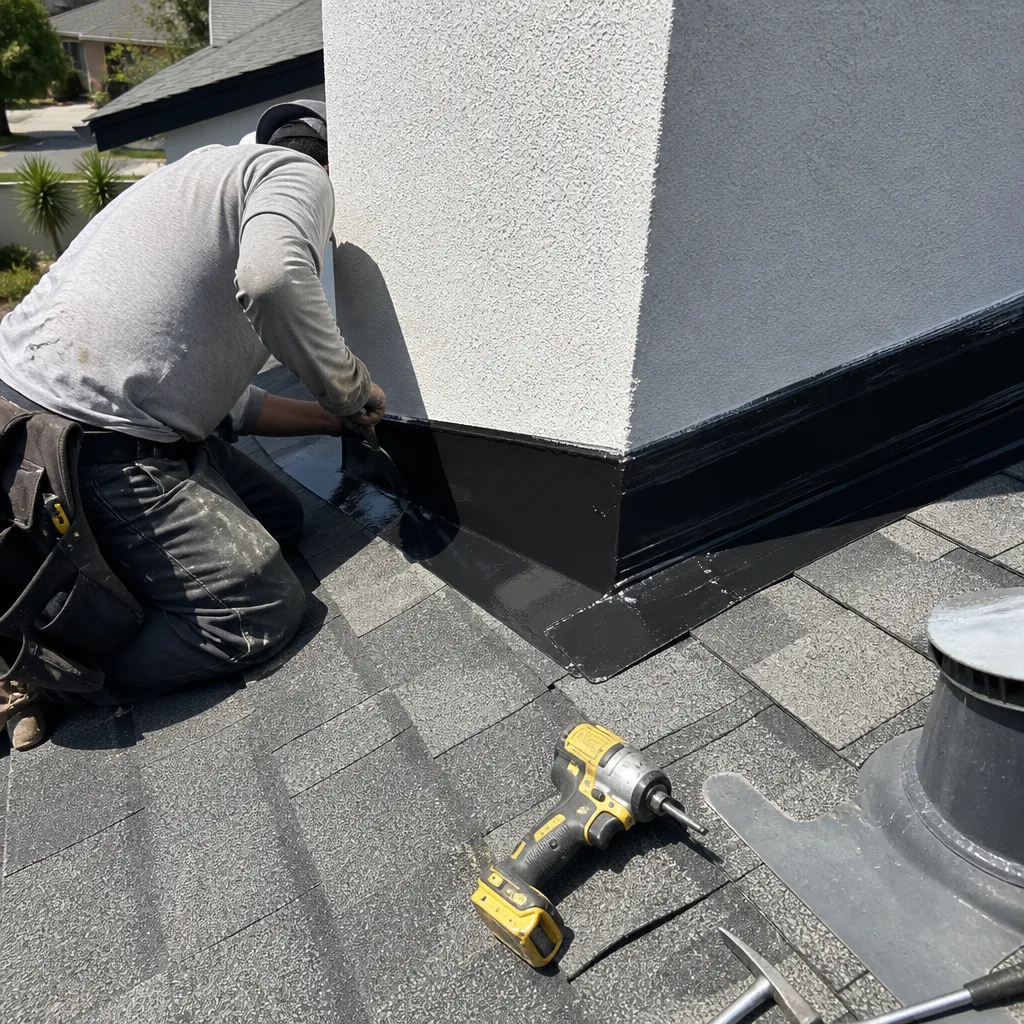
- Flashing replacement. Flashing is the metal and membrane work where the roof meets a wall, a chimney, a skylight, or a valley. It’s the most common source of leaks we fix, and it’s the most common source of leaks that follow a DIY repair. Water doesn’t care about your confidence level.
- Full reroof or tear-off. A roof replacement is a multi-day, multi-trade, multi-inspection project. It involves tear-off, deck inspection, underlayment, leak barriers in the valleys, and a shingle install that meets manufacturer specs. If any one of these layers is wrong, the whole system is compromised. Manufacturer warranties from companies like GAF, Atlas, and Boral are voided by non-licensed installation, which means the lifetime warranty on a premium shingle is worth exactly zero to a DIY owner-builder.
- Working on a roof steeper than 4:12 pitch. Some San Diego homes, especially in older neighborhoods like Mission Hills, Kensington, and parts of La Mesa, have steeply pitched roof planes. Falls from roofs are the leading cause of homeowner death in DIY home improvement, and steep pitches multiply the risk. No savings are worth a fall.
- Tile roof repair. San Diego has a significant stock of clay and concrete tile roofs, especially in Spanish-style homes across the county. Matching tile profiles, walking the roof without cracking tiles, and properly re-bedding ridge caps are specialized skills. A cracked tile is a $150 professional repair. A cracked tile that leaks into your decking for a year is a $6,000 problem.
The common factor: when a task involves the roof’s waterproofing function, the failure cost is not proportional to the savings. Saving $800 on a flashing repair that fails inside a year can cost $8,000 in decking replacement, insulation, drywall, and mold remediation.
The Real Cost Comparison: DIY vs Professional
Let’s put real numbers on the table. These are San Diego-specific ranges for a typical 2,000-square-foot single-family home with a medium-pitch asphalt shingle roof, the most common roof type in the county.
| Cost Category | DIY Estimate | Professional Estimate |
|---|---|---|
| Materials only (architectural shingles, underlayment, nails, flashing, ridge cap) | $3,800 – $5,200 | Included in total |
| Dump fees and tear-off disposal | $500 – $900 | Included in total |
| Tool rental or purchase (nail guns, ladders, safety gear) | $400 – $800 | N/A |
| Labor | $0 (yours) or $1,500 – $2,500 (day labor) | Included in total |
| Permit fees (typical San Diego range) | $350 – $700 | Included in total |
| Realistic cost to hire a pro to fix one amateur mistake later | $800 – $3,000 | $0 (covered by workmanship guarantee) |
| Total realistic cost | $5,850 – $13,100 | $12,000 – $18,000 |
The headline savings from DIY, if everything goes perfectly, is around $6,000 to $7,000 on a full replacement. But the probability that everything goes perfectly on a first-time owner-builder reroof is low. We’re called in regularly to fix DIY roofing jobs in San Diego, and the most common repair we make after an amateur install is failed flashing, followed by improperly lapped underlayment. Both of these failures cost more to fix than the DIY project saved.
There’s also the time cost. A professional crew of four replaces a 2,000-square-foot roof in two to three days. A first-time DIYer typically spends three to six weekends on the same job, plus evenings, plus the mental load. Time is a real cost. If you’d rather spend six weekends at Torrey Pines State Beach than on your roof, the equation changes.
The more honest comparison is on repairs, not full replacements. Our Roof Repair in San Diego service handles most repairs in a single visit, with a written price before work starts. A DIY repair that takes three trips to the hardware store, two YouTube videos, and an afternoon on the roof is not “free,” it’s just uncompensated labor with a failure risk attached.
How HOA Rules Work in San Diego Covenant Communities
San Diego County is home to hundreds of covenant communities, from large master-planned developments like Otay Ranch and Del Sur to smaller gated enclaves in Scripps Ranch and Tierrasanta. If your home falls under an HOA, which most newer homes in the county do, your ability to DIY your roof is governed by more than California law.
Most San Diego HOAs require architectural review before any exterior modification, and roofing is explicitly covered in nearly every CC&R we’ve reviewed. The typical requirements include:
- Prior written approval before any work begins. Starting without approval can trigger a fine, usually $500 to $1,000, and some HOAs charge a recurring monthly fee until the violation is corrected.
- Approved materials and colors. HOAs often specify shingle brands, colors, and profiles. We work with materials from GAF, CertainTeed, Owens Corning, IKO, Atlas, Tamko, and Boral specifically so homeowners can match whatever their HOA requires, and we’ve installed nearly every combination across San Diego.
- Licensed and insured contractor requirements. Some San Diego HOAs mandate that roofing work be performed by a licensed C-39 contractor with proof of insurance. A DIY project, even on an owner-builder permit, can violate this requirement and trigger the same fines as an unpermitted project.
- Completion deadlines. HOAs often set a timeframe for completing exterior work, commonly 30 to 60 days. A DIY roof that drags on for months because weekends keep filling up can violate the deadline and accrue fines.
The frustrating reality: an HOA violation can cost more than the project would have. We’ve spoken with homeowners in San Diego who started a DIY roofing project, got a $1,000 fine for lack of architectural review, then a $500 monthly violation fee for an incomplete project, and eventually abandoned the project and called us to finish it. The fines were more than the cost of the original professional estimate.
The Middle Path: Professional Inspection, DIY Prep
The DIY-versus-professional debate is often framed as binary: either you hire a roofer or you do it yourself. The smartest San Diego homeowners we work with take a third path. Staying on top of routine care with a Roofing Company Maintenance Checklist for San Diego Homeowners helps you spot issues early and know when to call in the pros. They hire a professional for the high-risk, high-skill, permitted work, and they handle the adjacent prep and maintenance tasks themselves. This captures real savings without taking on the structural and waterproofing risk.
- Start with a professional inspection. Before you decide anything, have a licensed roofer assess the condition of your roof and give you a written report. This is the single highest-value step. It tells you what actually needs to be done, not what you think needs to be done. Many San Diego homeowners we inspect are surprised to learn their roof has five more years of life when they were budgeting for replacement, or conversely, that a small leak has already caused decking rot they couldn’t see from the ground.
- Handle the prep work you can do safely. Clean your gutters, clear debris from valleys, trim overhanging branches, and document the roof condition with photos. These tasks reduce the professional’s time on the job and can reduce your quote.
- Be present during the work. You don’t need to be on the roof. You need to be available to answer questions, sign off on material deliveries, and inspect the work at the end of each day. A present homeowner catches issues early.
- Do your own post-work inspection. After a professional roof replacement, walk the perimeter of your home, look for loose nails, and check the attic after the next rain. You’ll spot small issues before they become large ones, and under our 365-Day Done Right Promise, any repair that fails inside a year is corrected at no charge.
This middle path is how smart San Diego homeowners save money. The savings don’t come from doing the roofing yourself; they come from keeping the small, safe tasks in-house while putting the structural, waterproofing, and permitted work in the hands of a licensed contractor who carries insurance and stands behind the work in writing.
If you’re weighing your options, our Roofing Company in San Diego can provide a written inspection report and a specific, itemized quote. You’ll know exactly what the professional path costs, and you can compare it honestly against the DIY path, with all the real costs included.
Common Mistakes to Avoid
- Starting without reading your insurance policy. Most San Diego homeowners who DIY their roof and later file a claim are surprised to learn that exclusions for faulty workmanship and unpermitted alterations apply. Read the policy first.
- Assuming HOA rules don’t apply to roofing. Roofing is exterior alteration, and exterior alterations require architectural review in nearly every covenant community in San Diego County. The fine for skipping review is usually higher than the cost of filing the request.
- Using mismatched materials. A common DIY mistake we see in San Diego is pairing a premium architectural shingle with the wrong underlayment, or mixing two different shingle profiles on the same plane. The mismatch voids the manufacturer warranty and can look visibly wrong from the street.
- Walking on a tile roof without knowing how. Tile roofs are common in San Diego, and they crack easily under foot. We regularly repair cracked tiles caused by homeowners walking on the roof without proper pads or knowledge.
- Ignoring the permit. Some San Diego municipalities allow a shingle-over-shingle recover without a structural permit, but most require permits for any reroof that touches the decking. Unpermitted work becomes a title defect when you sell.
- Postponing repairs to “save up” for a full replacement. A small leak that gets ignored becomes a large one. In San Diego’s fall rain season, a small flashing gap can grow into full decking replacement in a single storm. Fix small problems when they’re small.
- Believing that a manufacturer warranty protects a DIY install. GAF, Atlas, Boral, Tamko, and every other major manufacturer require installation by a licensed contractor for their warranty to apply. An owner-builder install gets no manufacturer coverage at all.
See the difference
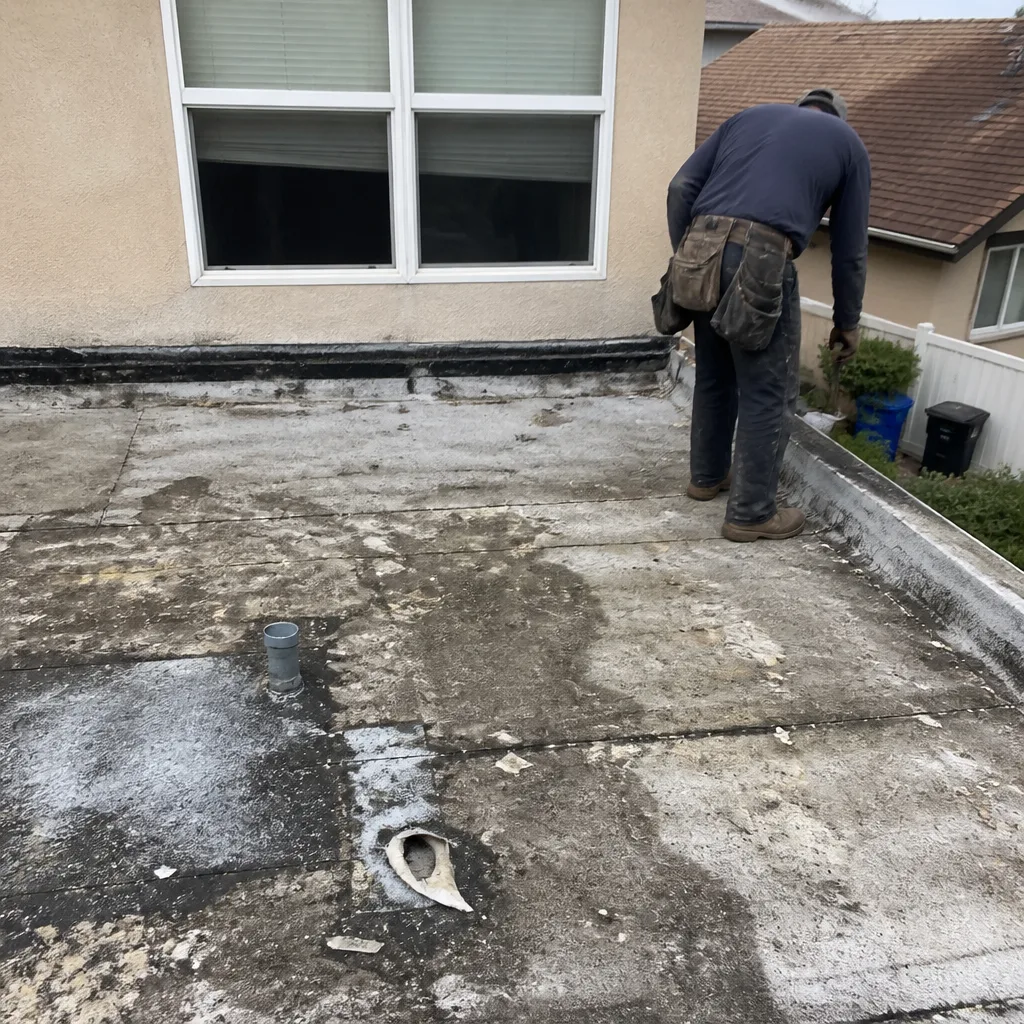 Before
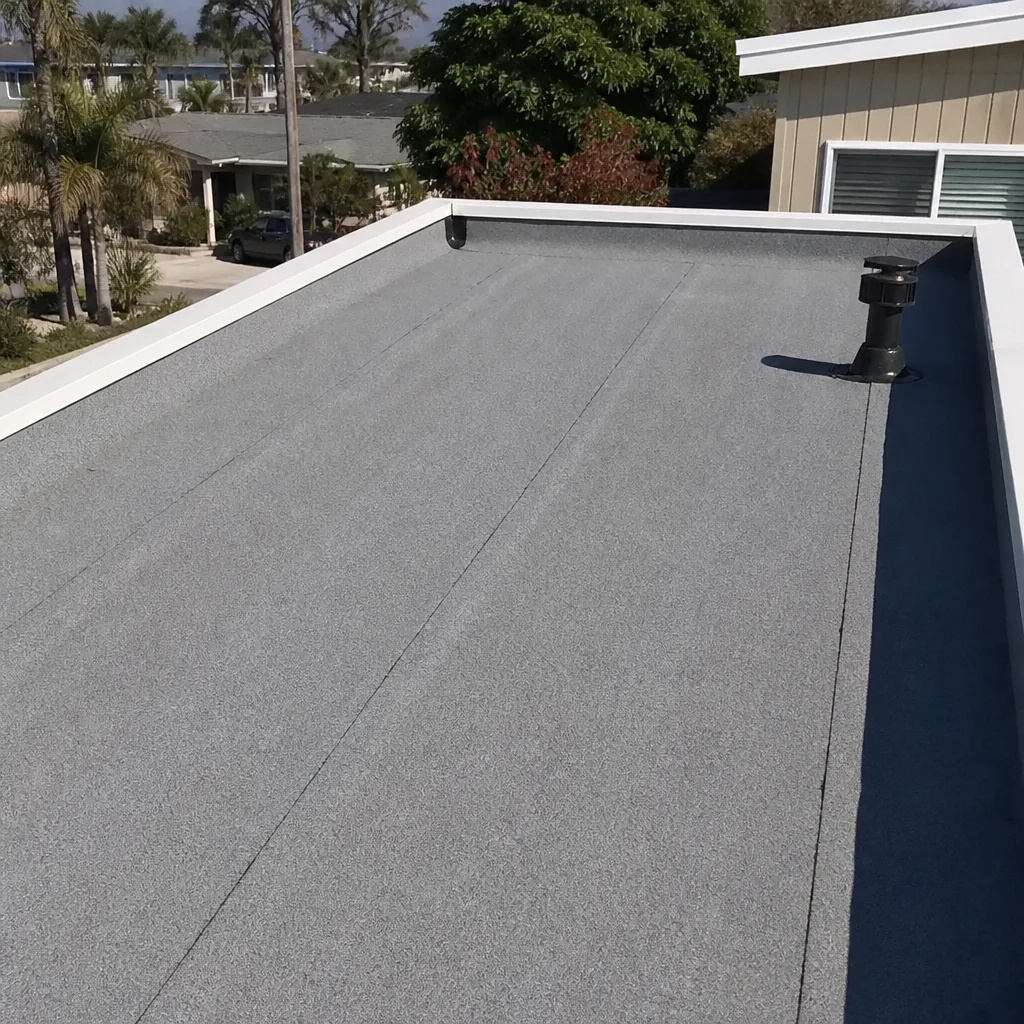 After
After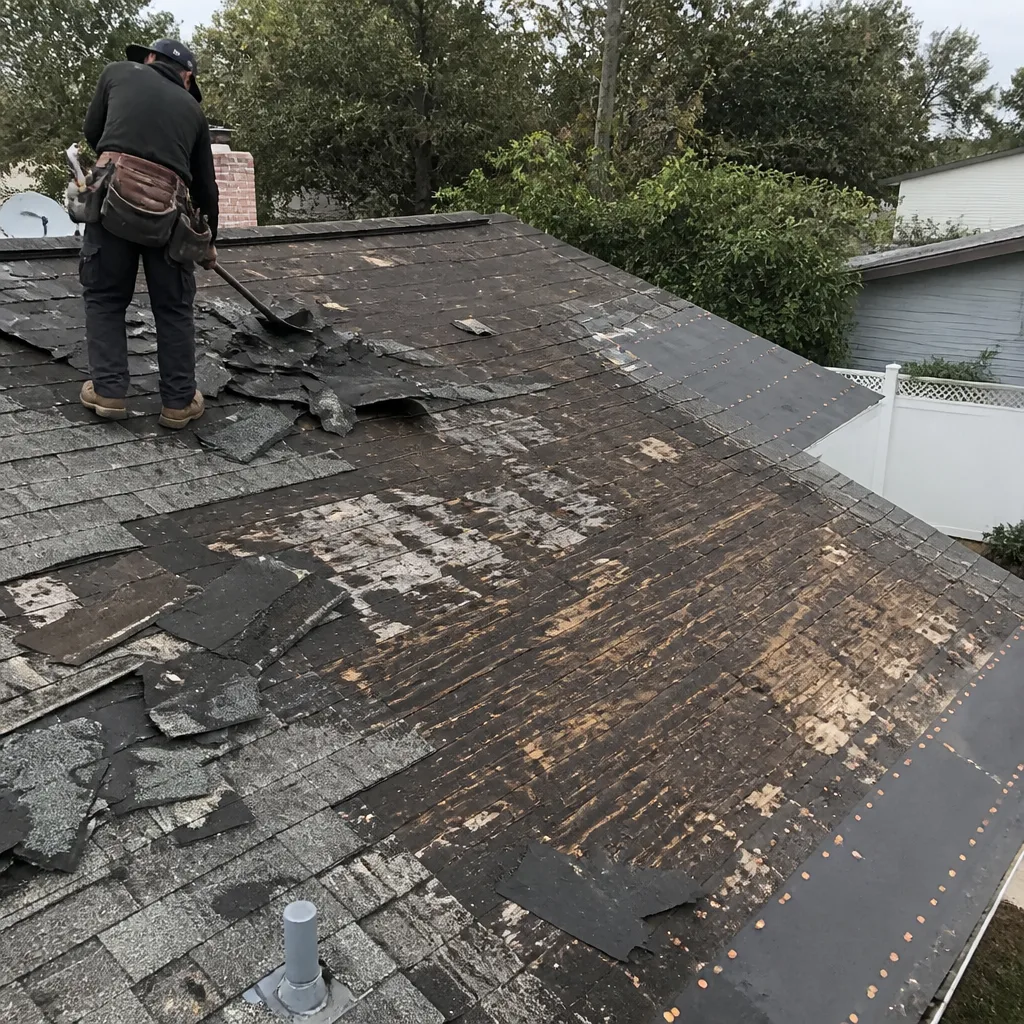 Before
 After
After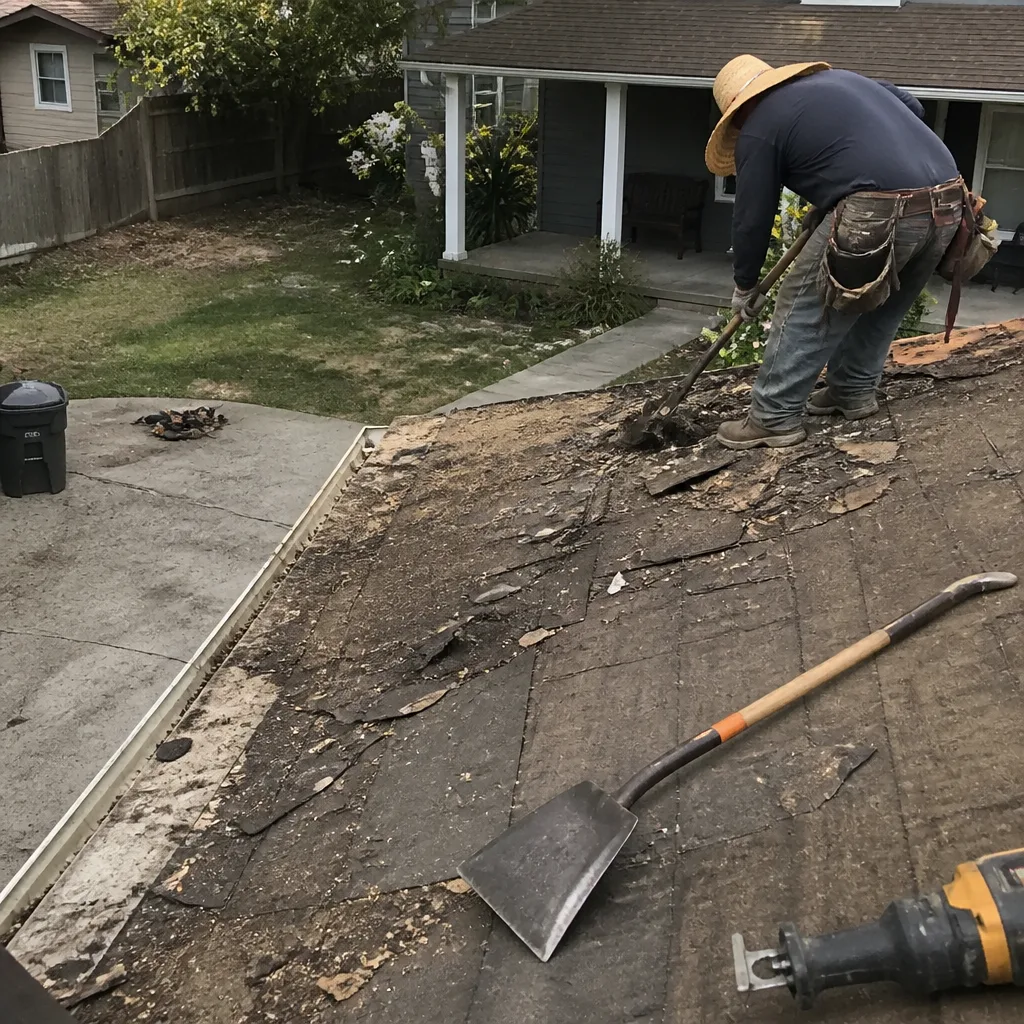 Before
 After
AfterWhen to Call a Professional
Calling a professional isn’t admitting defeat; it’s recognizing that some tasks carry risk that isn’t proportional to any savings. We recommend calling a licensed San Diego roofing contractor if you see: water stains on your ceiling or in your attic; loose, curled, or missing shingles after a Santa Ana event; crumbling or cracked tile; any sign of sagging along the roofline; or if your roof is over 20 years old and you’re not sure what condition it’s in. A professional inspection settles the question and gives you a written record. Tilehurst Roofing San Diego offers free estimates in San Diego, and you can reach a live person at (619) 393-3877 any time, day or night.
Frequently Asked Questions
Yes, California’s owner-builder exemption allows homeowners to reroof their own primary residence without a contractor’s license, but the work must still meet building code, and the permit belongs to you as the owner-builder. The legal permission does not override your insurance policy exclusion or your HOA’s architectural review requirement.
Probably not. Most homeowner’s policies in California exclude damage resulting from faulty workmanship or unpermitted alterations, which means a DIY leak that causes water damage can result in a denied claim. Verify your policy language before you start any DIY roofing project.
On a full replacement of a typical 2,000-square-foot asphalt shingle roof, a DIY install with everything going right saves roughly $6,000 to $7,000 compared to a professional job, but the realistic cost of fixing even one amateur mistake afterward ranges from $800 to $3,000. Most homeowners who attempt a full DIY reroof break even at best once time and risk are counted.
If your home falls under a covenant community, almost certainly yes. Most San Diego HOAs classify roofing as an exterior alteration requiring architectural review, and some require a licensed contractor and specific materials. Violations typically start at $500 and can accrue monthly fees.
Yes, and this is often the smartest path. Safe, non-structural tasks like gutter cleaning, debris clearing, and visual inspection are well within a homeowner’s ability, while flashing replacement, leak repair, and full reroofing should be handled by a licensed contractor whose work is covered by a written guarantee.
Failed flashing is the most common DIY mistake we fix in San Diego, followed closely by improperly lapped underlayment. Both failures are silent: they look fine from the ground and leak only after rain, usually months after the project is complete. Call (619) 393-3877 if you’re unsure whether a previous DIY repair is holding up, and we’ll give you a straight answer.
The Bottom Line
The DIY-versus-professional roofing decision in San Diego is not really a cost question, it’s a liability question. You can legally do the work, but you inherit risks that a licensed contractor carries for you: insurance, warranty, permit compliance, and the guarantee that if something fails, it gets fixed. The practical answer for most San Diego homeowners is to handle the small, safe maintenance tasks and leave the roof system itself to a licensed professional. Get an inspection, get a written price, and make a decision with real numbers. If you’d like a free estimate and a straight answer about the condition of your roof, call Tilehurst Roofing San Diego at (619) 393-3877. We answer the phone, we show up, and every job starts with a written price.
Written by Greg Holloway, Owner at Tilehurst Roofing San Diego, serving San Diego since 2000.